
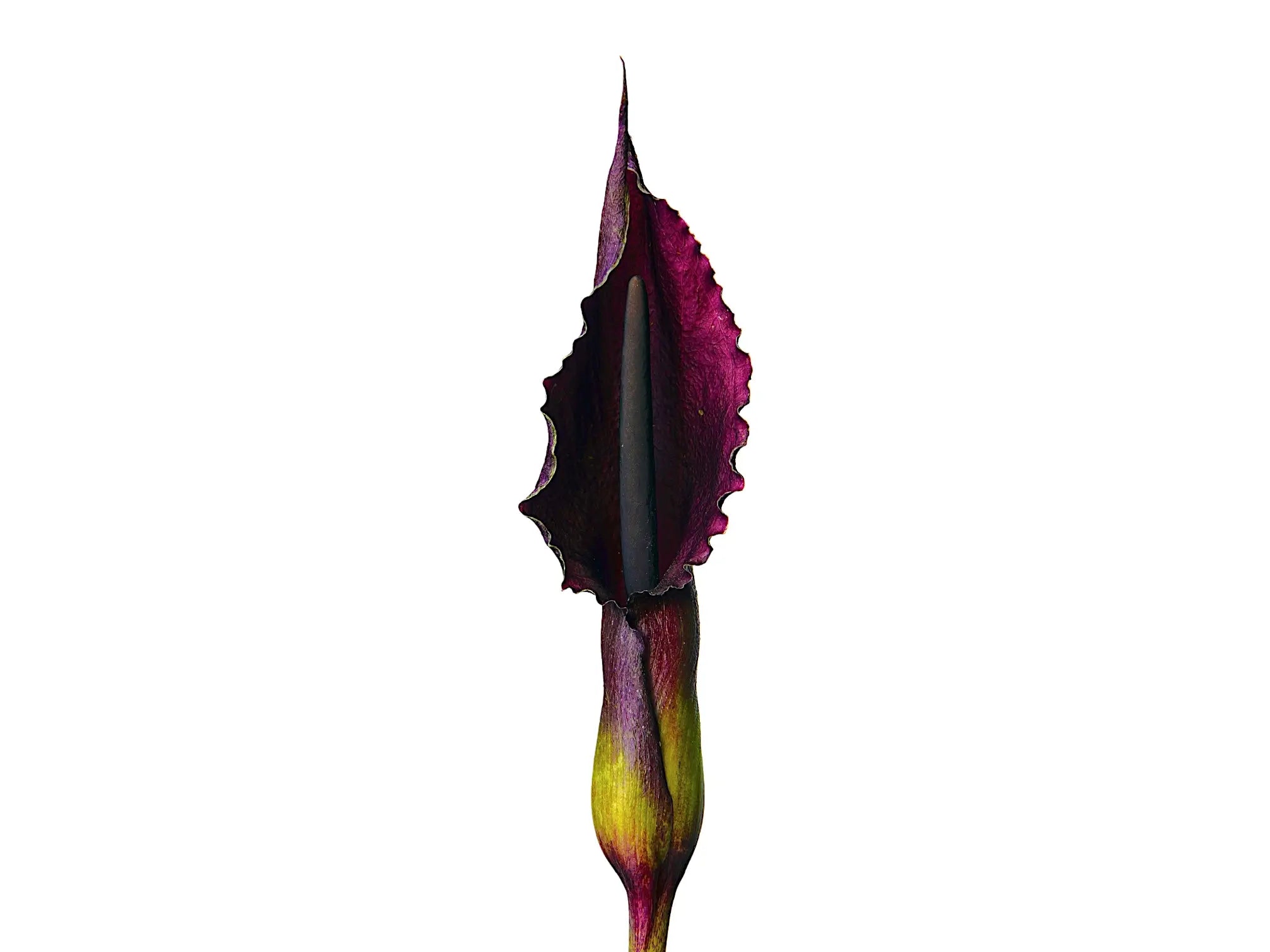
Aroids: The Fabulous Arum Family
Aroids are more than iconic leaves. This deep dive breaks down what defines Araceae, how different aroids grow and reproduce, where they come from, and why some are major food crops. Includes key g...
Read more
Calathea plants, admired for their vibrant and uniquely patterned foliage, are a standout in any plant collection. Known for their captivating beauty, they’ve earned a reputation as the ultimate statement piece for home décor. However, caring for Calatheas can be challenging, making them a sought-after topic for plant enthusiasts looking to master their upkeep.
To keep your Calathea thriving, understanding its natural habitat is crucial. These tropical plants originate from rainforest floors, where they enjoy consistent humidity, indirect light, and warm temperatures. Mimicking these conditions at home can help prevent common Calathea issues such as curling leaves, browning tips, or fading colors. This comprehensive guide addresses 55+ common questions about Calathea care, including tips for watering, lighting, and resolving leaf problems.

Learn how to care for Calathea plants with expert tips on light, watering, soil, temperature, and humidity. Find answers to FAQs and keep your plant thriving indoors.
Calathea thrives in bright, indirect light, which mimics its natural habitat under rainforest canopies. Direct sunlight can scorch its delicate leaves, leading to discoloration or burns. For spaces with lower light conditions, Calathea can adapt but expect slower growth and less vibrant leaf patterns. Position your plant near an east- or north-facing window for optimal lighting.
Water your Calathea when the top 2–3 cm of soil feels dry. The goal is to keep the soil evenly moist, but never soggy, to avoid issues like root rot. Using a finger or moisture meter helps prevent overwatering or underwatering. Consistency is key to keeping your Calathea healthy.
The best soil for Calathea is a well-draining yet moisture-retentive mix. A combination of peat-based potting soil, perlite, and orchid bark ensures proper aeration and retains just enough water. This setup reduces the risk of compacted roots and waterlogging.
Calathea thrives in a temperature range of 18–24 °C, resembling its tropical origins. Avoid exposing it to cold drafts, heating vents, or air conditioners, as fluctuations can cause stress. Maintaining stable conditions promotes vibrant leaf patterns and robust growth.
Calathea demands high humidity, ideally above 60 %. If your indoor environment lacks moisture, consider using a humidifier or grouping plants to create a more humid microclimate. Consistent humidity helps prevent brown leaf edges and curling.
Yes, Calathea can tolerate low light but will grow at a reduced pace, and its stunning patterns may fade over time. For a thriving plant, aim for bright, filtered light. Use sheer curtains or place it near a well-lit area away from direct sun.
Check the top 2–3 cm of soil — if it feels dry, it’s time to water. Signs of dehydration include drooping leaves or curling edges. Avoid waiting too long, as inconsistent watering can stress the plant.
For best results, water deeply, ensuring excess water drains out completely. Empty the saucer to prevent the plant from sitting in water, as stagnant moisture leads to root rot. Using room-temperature water minimizes shock to the roots.
Calathea thrives in an environment with:
Regularly monitor soil moisture, and keep the plant away from drafts or fluctuating conditions for optimal health.
Feed your Calathea with a balanced, water-soluble fertilizer every 4–6 weeks. Ensure proper dilution to prevent leaf burn. A gentle approach to fertilizing maintains vibrant foliage without stressing the plant.
Troubleshooting common Calathea issues? Learn how to fix yellowing, curling, drooping, or crispy leaves, and revive an overwatered plant. Get tips for vibrant, healthy growth.
Brown edges on Calathea leaves often indicate low humidity. Increase the humidity around your plant using a humidifier or by grouping it with other plants. Consistent humidity above 60 % is ideal to prevent further damage.
Curling leaves are a common sign of underwatering or excessive direct sunlight. Check the soil and water if the top 2–3 cm feels dry. Relocate your Calathea to a spot with bright, indirect light to protect its sensitive leaves.
Yellowing leaves typically indicate overwatering or poor soil drainage. Ensure the pot has adequate drainage holes, and let the soil dry slightly between waterings. Consider using a well-draining soil mix to prevent waterlogging.
Crispy leaves are usually caused by low humidity. Boost humidity by grouping your Calathea with other plants or using a humidifier. Ensure the soil remains consistently moist but not soggy to promote healthier foliage.
Loss of vibrant leaf patterns often results from too much direct sunlight or low humidity. Move your plant to a location with indirect light and ensure humidity levels are above 60 % to restore its beauty.
Drooping leaves are usually a sign of underwatering. Water your plant thoroughly, allowing excess water to drain, and ensure the soil stays evenly moist. Avoid letting the plant sit in dry soil for extended periods.
Leaf drop can be caused by underwatering, overwatering, or sudden environmental changes. Maintain a consistent care routine, ensuring proper watering and stable temperature conditions to prevent further leaf loss.
Slow growth in Calathea is often due to low light, improper watering, or inadequate humidity. Place your plant in a spot with bright, indirect light, keep the soil moist but not soggy, and ensure high humidity to encourage new growth.
To save an overwatered Calathea, carefully remove it from the pot, trim any rotting roots, and repot in fresh, well-draining soil. Allow the soil to dry slightly between waterings to prevent further root rot.
Signs of underwatering include curling or crispy leaves, dry soil, and drooping foliage. Water the plant thoroughly, ensuring all roots receive moisture, and maintain a consistent watering schedule moving forward.
Brown spots may result from low humidity, overwatering, or pest infestations. Maintain consistent humidity, avoid overwatering, and regularly inspect the plant for pests like spider mites or mealybugs.
Pale leaves are often caused by excessive direct sunlight or nutrient deficiencies. Relocate your plant to a shaded spot with indirect light, and fertilize lightly with a balanced, water-soluble fertilizer every 4–6 weeks.
Insufficient light, low humidity, or improper watering can hinder new growth. Ensure your Calathea receives bright, indirect light, high humidity, and consistently moist soil to encourage healthy leaf development.
Learn how to identify and treat common Calathea pests like spider mites, mealybugs, and whiteflies, and manage root rot, fungal diseases, and bacterial infections. Expert pest prevention tips included.
Spider mites thrive in dry conditions, so increasing humidity around your plant can help prevent them. To treat an infestation, apply neem oil or insecticidal soap directly to the leaves. Ensure thorough coverage on both the top and underside of the foliage.
Mealybugs can be removed manually using a cotton swab dipped in rubbing alcohol. For larger infestations, apply neem oil or insecticidal soap to eliminate these pests. Regular inspections will help catch mealybugs early.
Treat whiteflies by spraying the leaves with insecticidal soap or neem oil. To control adult whiteflies, place sticky traps near the plant to capture them. Reapply treatments weekly until the infestation is gone.
Symptoms of root rot include yellowing leaves, mushy stems, and a foul-smelling soil. The main cause is overwatering or poor drainage. Repot your plant in fresh, well-draining soil and trim away any affected roots to save it.
Fungus gnats thrive in moist environments. Allow the top layer of soil to dry out between waterings to disrupt their life cycle. Use sticky traps to catch adult gnats, and consider adding a layer of sand or perlite on top of the soil to deter them.
Treat thrips with insecticidal soap or neem oil, ensuring thorough application to the leaves. Increase humidity and improve air circulation around your plant to prevent further infestations, as thrips are less active in humid conditions.
Small holes in Calathea leaves are often caused by thrips, other pests, or mechanical damage. Inspect the plant for signs of pests and treat with neem oil or insecticidal soap if necessary. Remove damaged leaves to prevent further issues.
Bacterial infections often appear as yellow or brown spots with a water-soaked look. Remove infected leaves immediately and increase air circulation to prevent the spread. Avoid overhead watering, as it can worsen bacterial issues.
Fungal diseases in Calathea may show as leaf spots, mold, or powdery mildew. To manage, remove affected leaves and improve air circulation. Use a fungicide specifically formulated for houseplants as needed.
To prevent pests from recurring, practice good plant hygiene by cleaning leaves regularly and monitoring for early signs of infestation. Maintain proper humidity and inspect new plants before introducing them to your collection.
Learn how to propagate Calathea plants through division with expert tips on timing, potting mix, and care for healthy root growth. Find answers to FAQs about repotting and encouraging new growth.
Calathea is best propagated through division, as it does not root well from cuttings. To propagate, gently remove the plant from its pot and carefully separate the root ball into smaller sections. Ensure each section has healthy roots and a few leaves for successful growth.
The best time to propagate Calathea is in spring or early summer, when the plant is actively growing. During this period, divisions establish themselves more quickly due to optimal growing conditions.
No, Calathea cannot be propagated from stem cuttings. Instead, use the division method, which ensures the new plants have roots and foliage to support growth.
To divide a Calathea:
Calathea divisions typically take 2–4 weeks to establish roots. During this period, maintain a humid environment and keep the soil consistently moist to encourage healthy growth.
Use a well-draining potting mix that retains moisture. A blend of peat, perlite, and orchid bark is ideal for supporting root growth while preventing waterlogging.
To encourage new growth:
Repot your Calathea every 1–2 years or when the roots become pot-bound. The best time for repotting is spring or early summer, as the plant is more resilient and can adapt quickly to a new pot.
Choose a pot that is 2–4 cm larger in diameter than the current one. Avoid pots that are too large, as they can retain excess water, which may lead to root rot.
To promote healthy root growth:
Learn how to care for Calathea with tips on cleaning leaves, preventing root rot, and encouraging healthy growth. Find answers to FAQs like why leaves close at night and how to stop browning tips.
Calathea exhibits nyctinasty, a natural behavior where its leaves open during the day and close at night. This response is linked to the plant's circadian rhythm and helps it conserve energy during low light periods.
Prevent root rot by ensuring the plant is in well-draining soil and avoiding overwatering. Always empty excess water from the saucer, and use a pot with adequate drainage holes to keep the roots healthy.
Gently wipe the leaves with a damp cloth to remove dust and keep them looking vibrant. Avoid using leaf shine products, as these can clog the pores and interfere with the plant's ability to breathe.
Maintain consistent care by providing:
Avoid drastic environmental changes, as Calathea is sensitive to fluctuations.
Some species of Calathea can bloom indoors, but this is rare. They are primarily grown for their ornamental foliage, which is more striking than their flowers.
To help your Calathea in low humidity:
Yes, Calathea thrives in terrariums due to the high humidity they provide. Ensure the terrarium has proper air circulation to avoid fungal issues, which can develop in overly damp environments.
Avoid stress by gradually acclimating your Calathea to its new location. Move it in stages and ensure the new spot has similar light and humidity conditions to minimize shock.
Pale leaves often indicate too much direct sunlight. Relocate the plant to a shadier spot with bright, indirect light to restore its vibrant colors.
Regularly clean your Calathea leaves by wiping them with a damp cloth. This prevents dust buildup, which can block pores and reduce the plant's ability to photosynthesize efficiently.
Brown leaf tips are commonly caused by low humidity or inconsistent watering. Increase the humidity around your plant and ensure the soil stays evenly moist to prevent further damage.
Calathea can thrive outdoors in summer if placed in a shaded area away from direct sunlight. Bring it indoors before temperatures drop below 15 °C to protect it from cold stress.
To promote larger leaf growth, provide:
Healthy growing conditions encourage the plant to channel energy into producing bigger, more vibrant leaves.
With proper care, Calathea plants can transform any indoor space into a lush, tropical haven. Maintaining the right balance of light, humidity, and water is key to their health and vibrancy. By addressing common issues like pests, curling leaves, and brown tips early, you can enjoy their stunning foliage year-round. Use this FAQ as your go-to resource for tackling care challenges and ensuring your Calathea remains healthy and vibrant for years to come.
Discover the fascinating world of Calathea (Goeppertia) plants. Dive into detailed information about their origins, natural habitat, and comprehensive care tips. Learn how to recreate the perfect environment for these tropical beauties and keep them thriving indoors.
Explore our curated selection of Calathea (Goeppertia) varieties, complete with detailed descriptions and specific care instructions. Whether you're looking to expand your plant collection or seeking expert advice, our shop has everything you need to help your Calatheas flourish.
Aroids: The Fabulous Arum Family
Aroids are more than iconic leaves. This deep dive breaks down what defines Araceae, how different aroids grow and reproduce, where they come from, and why some are major food crops. Includes key g...
Read more
Fungus Gnats in Houseplants: The Ultimate Guide to Identification, Management, and Prevention
Fungus gnats love persistently damp potting mix. This guide helps you identify them, understand the lifecycle, and choose effective fixes—from drying cycles and sticky traps to nematodes, BTI, and ...
Read more