High-Light Houseplants
High-light houseplants are for very bright indoor spots where daylight stays strong for most of the day and plants can handle some direct sun once acclimated, usually the gentler kind. This category sits above bright-indirect but below full sun, and it suits plants that stay denser, more colourful, or more compact when they grow close to the glass or under strong grow lights.
This collection is broader than a full-sun cactus shelf. It includes many high-light foliage plants and air plants, plus a smaller number of succulent types, so the care is not all one-note. Expect faster drying pots, stronger growth, and the need to water by actual dryness rather than by routine.

About Our Filters
Filters help you narrow things down fast and without guessing. We put a lot of time and effort into keeping filter values consistent across the shop by cross-checking references and validating them against real-world indoor growing and handling.
Use them as guidance, not guarantees. Homes vary a lot, so for the full context (and any exceptions), open the product page and read the description.
How filtering works
- Filters stack: each selection narrows results.
- Multiple picks in one filter are usually either/or within that filter.
- Undo anytime: click a selected option again (or clear filters).
Safety
- Non-toxic: not known for relevant chemical toxicity for common pets (chewing can still cause irritation).
- Non-toxic & Pet Friendly: stricter shortlist that also avoids many physical hazards like spines, sharp tips, thorns, and bristles.
Common care filters
- Light level: Low indirect → Full sun/direct.
- Water Needs: Low / Medium / High.
- Humidity Level: Normal (40–50%) / Moist (50–60%) / Humid (60–80%+).
Growth & size
- Growth Habit: climbing, trailing, crawling, upright, self-heading, clumping, rosette.
- Needs support? none / optional / needed.
- Delivered size: pot size + plant height at shipping.
- Max size indoors: realistic long-term height + spread indoors.
Looks & botanical browsing
- Leaf Shape & Size + Foliage Colour: quick visual categories.
- Plant Type / Genus / Family: browse by broad group or taxonomy.
If you want to see the references we use, Plant Care Resources is simply a curated list of source links (POWO, Kew, and more).
Sort by
Filters
High-Light Houseplants
Quick Overview
High-Light Houseplants: very bright, with some direct sun
- Intensity: For strong daylight close to unobstructed windows or under proper grow lights; above bright-indirect, but not full sun.
- Direct sun: Usually some direct sun after acclimation, often morning sun, late sun, or lightly filtered sun rather than long hours of harsh midday exposure.
- Distance: Usually right by the window or very close to it; farther back only works with very large glazing or a genuinely strong grow-light setup.
- What it suits: Plants that weaken, stretch, or lose colour in softer light and grow denser, sturdier, or more compact in a very bright position.
- What changes in care: Pots usually dry faster and growth is often tighter, but this is still a mixed-care category, so watering should follow actual dryness and plant type, not a fixed routine.
- Common warning signs: Bleached patches, crisp edges, washed-out new growth, or heat stress usually mean the move into stronger light was too abrupt.
Details & Care
High-Light Houseplants: for brightest windows and stronger grow-light setups
What high light really means indoors
High light indoors means plants positioned very close to large, unobstructed windows or under genuinely strong grow lights. It does not mean a room that simply feels bright to people. In most homes, this category means strong daylight for much of the day plus some direct sun, usually morning sun, late-day sun, or lightly filtered sun rather than harsh all-day exposure.
This is the step above bright-indirect and below full sun. It suits plants that lose colour, density, or vigour when they are kept too far back from the glass, but do not all want the hard, dry routine typical of all-day sun plants.
Which plants fit this category
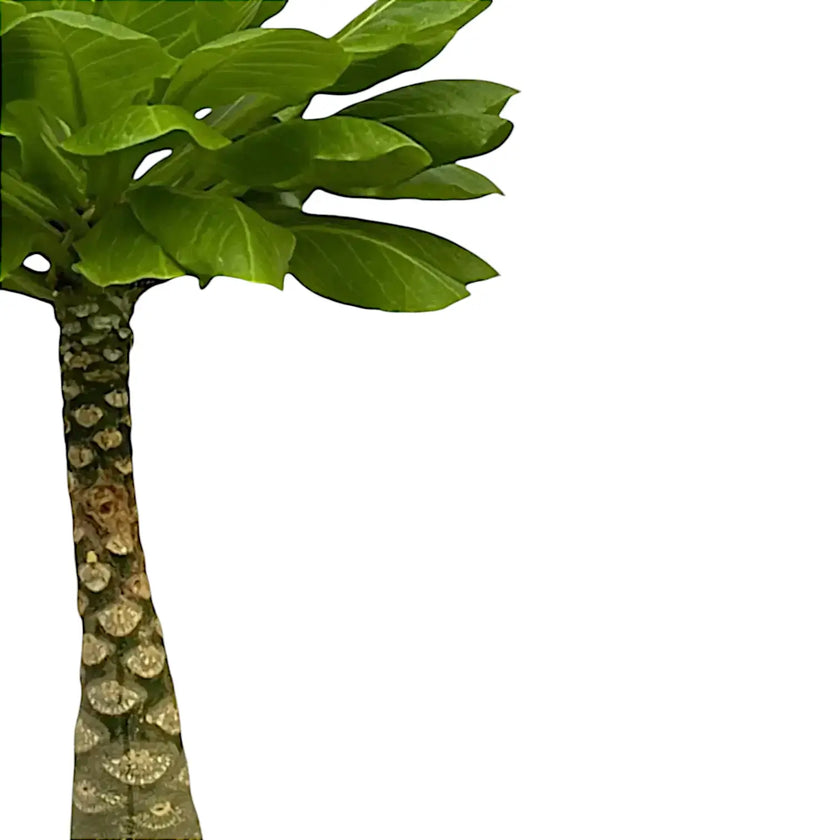
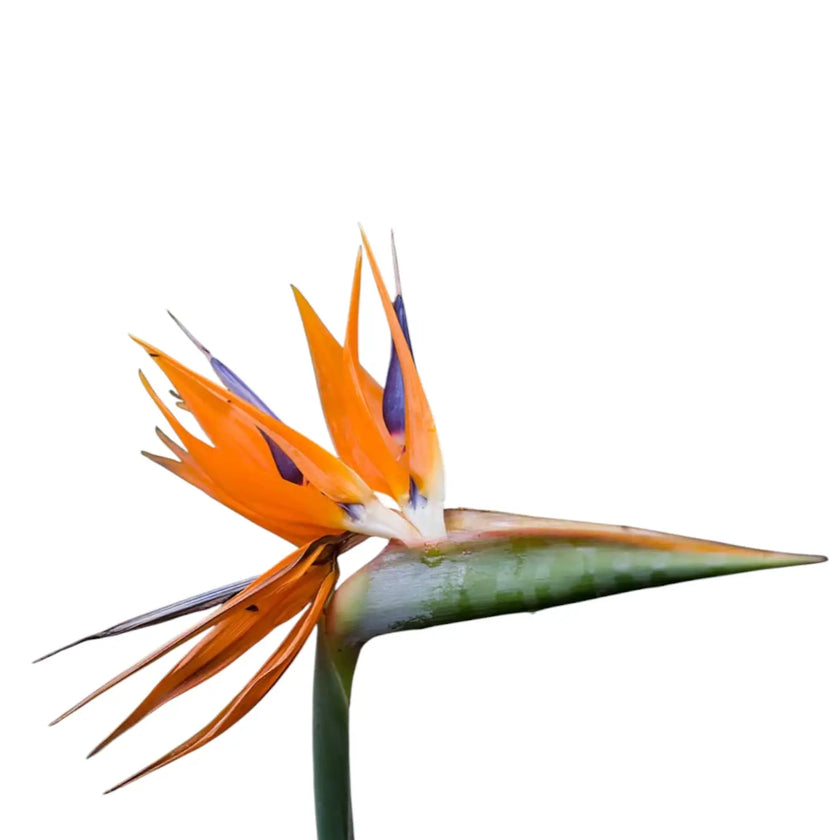
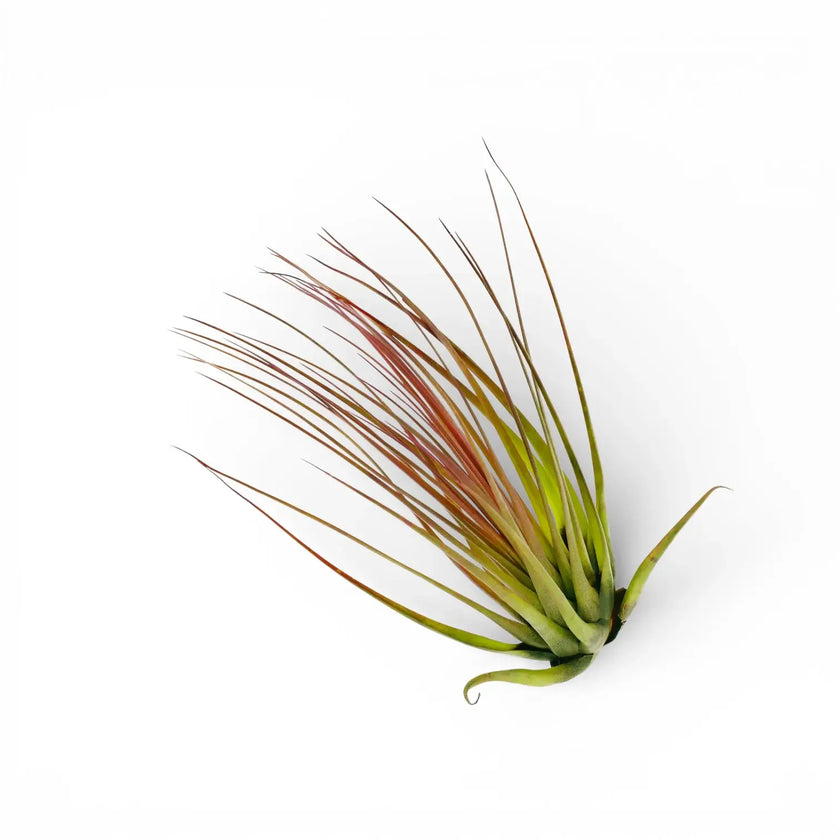
This collection is more mixed than a classic full-sun shelf. Alongside a few succulent types, it includes many air plants, high-light foliage plants, and structural species that respond well to very bright conditions but still vary a lot in watering and substrate needs.
What they share is not identical care. What they share is that weak light usually holds them back quickly. In the right setup, they tend to stay fuller, sturdier, more colourful, or more compact than they do in softer conditions.
What changes when light gets stronger
Stronger light usually means faster drying pots, tighter growth, and more active growth overall. It can also mean hotter root zones near glass, quicker salt build-up, and faster leaf damage if a plant is moved into direct sun too abruptly.
That is why high light is not automatically easy. Bright conditions help, but they do not fix dense substrate, poor drainage, or roots that stay wet too long. In this category especially, it is better to water according to the actual dryness of the pot than to follow a fixed schedule.
How to avoid leaf damage
Even high-light plants can burn if they move too fast from softer conditions into stronger direct sun. New arrivals and thinner-leaved plants usually need a short adjustment period before they can take the brightest part of the window.
If fresh growth comes in paler, smaller, rougher, or more stressed-looking while older leaves still look fine, the combination of heat and light is probably a bit too strong. Moving the plant slightly back from the glass or softening midday exposure is often enough to correct it.
Who this category suits best
This is a good fit if you have very bright windows, a little direct sun, or a serious grow-light setup and want plants that can genuinely use that light. It is less suitable for dim rooms or positions set far back from the window, where many plants here will stretch, weaken, or underperform.
If your plants get long hours of hard direct sun right on the leaves, Full Sun is usually the better category. If the room stays bright but direct sun rarely reaches the plant itself, Bright-Indirect is usually the safer choice.
Back to top and pick the plants that can genuinely use your brightest windows and strongest sun ↑
Frequently Asked Questions About Light
How do I know if a spot matches this light level?
Use a lux meter or a reliable phone app and measure close to the leaves, not in the middle of the room. As a practical guide, low indirect is approx. 1,000–5,000 lux, medium indirect 5,000–10,000 lux, bright indirect 10,000–20,000 lux, very bright or some direct 20,000–40,000 lux, and full sun or direct 40,000–80,000 lux. These are approximate spot readings, so season, weather, curtains, and distance from the glass still matter.
Does direct sun through a window count as direct light?
Yes. If sun is hitting the plant directly through clear glass, that still counts as direct light. South- and southwest-facing windows are usually the strongest indoor positions, while filtered or off-angle light is much gentler.
How can I tell if a plant is getting too little light or too much?
Too little light usually shows up as slower growth, smaller leaves, longer gaps between leaves, leaning, faded colour, or stretched growth. Too much light more often causes pale patches, bleaching, brown crispy areas, or scorched-looking leaves.
Can grow lights replace natural light?
Yes, if the fixture is strong enough and run for long enough each day. A good grow light can top up weak window light or do the full job on its own when natural light is not reliable.
Why does watering need to change when light changes?
Because light drives growth and water use. In lower light, plants usually grow more slowly and stay wet for longer, so watering often has to be delayed. In stronger light, the mix dries faster and active plants usually need checking more often.
Limited discounts, extras, and bundle deals for subscribers.
Get points with every order to redeem them for discounts.
Give your friends 10 € off and get 200 Foliage Points.
Use your 10% code on plants when you're ready to order.