Scindapsus: silver-flecked climbers between Epipremnum and Philodendron
Scindapsus: silvered climbers with serious presence
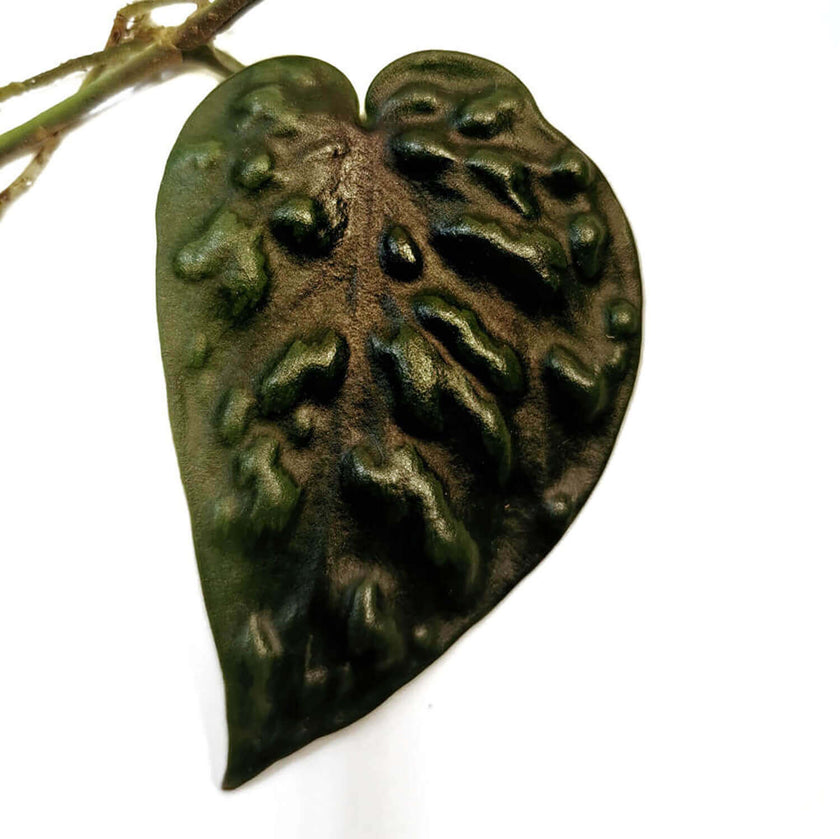
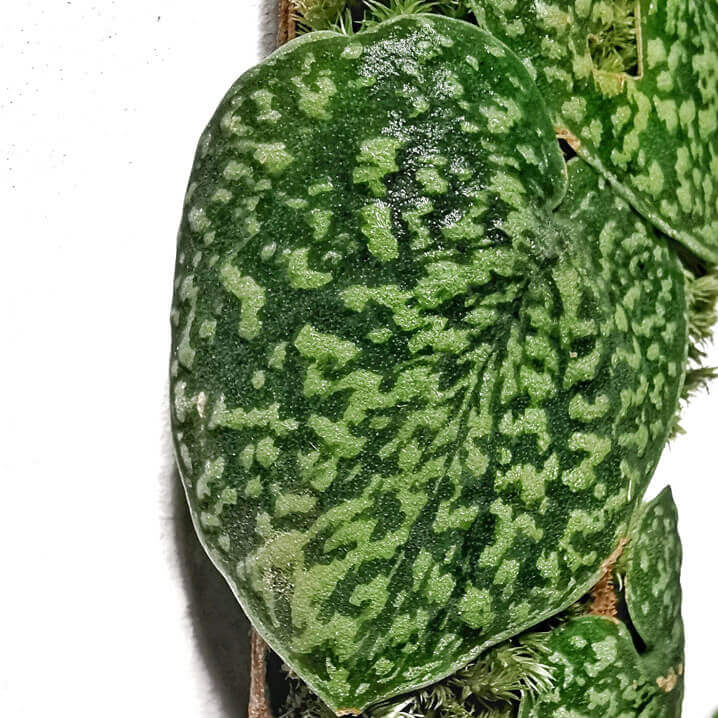
Scindapsus is a small aroid genus from Southeast Asia, New Guinea and the western Pacific, best known in cultivation for the species Scindapsus pictus-the so-called “satin pothos” or “silver vine”. These are root-climbing lianas with thick, often elongated leaves washed in pewter or speckled with pale, metallic patches. Against darker green foliage, the silver patterning can appear to glow, making Scindapsus a natural focal point on a shelf or trailing from a high planter.
Although often sold under the catch-all common name “pothos”, Scindapsus is a distinct genus from both Epipremnum (true pothos/devil’s ivy) and Philodendron. Botanically, Scindapsus flowers have a single ovule per ovary, whereas Epipremnum has several. For day-to-day care, though, you can treat them like a slightly pickier, slower-growing pothos. If you want background on how names and labels shift in the trade, our botanical reclassification explainer is a useful read.
Is Scindapsus a good fit for your space?
- Scindapsus thrives when: it has bright but softened light, a stable warm room and a watering rhythm that lets the top of the mix dry slightly between waterings.
- More of a stretch when: your home is very dark, you tend to overwater small pots, or you want a plant that races up a wall in a single season. Scindapsus grows steadily but not as fast as many pothos and resents cold, soggy compost.
- Helpful to know: most named Scindapsus in shops (for example ‘Argyraeus’, ‘Exotica’, Scindapsus treubii ‘Moonlight’) share similar needs but differ in leaf thickness, silver coverage and growth speed. Thicker, darker “dark form” types cope better with slightly brighter positions; very pale or heavily silvered selections are often happiest with softer, even light.
Scindapsus in the wild-canopy climbers with a silver sheen
In nature, Scindapsus species are evergreen vines that clamber up tree trunks and rocks in humid lowland forests from Indonesia and Malaysia to New Guinea and the western Pacific. Their stems form long, woody runners studded with nodes that produce both leaves and clinging aerial roots, allowing the plant to “crawl” upwards towards better light. Given a rough surface to hug, many forms will press their leaves closer to the support, maximising light capture under the forest canopy.
This climbing habit explains how they behave indoors: without support, Scindapsus will trail and produce smaller leaves. Given a moss pole, fern trunk or textured plank to See, the vines often thicken, the internodes shorten and the leaves broaden, showing off their full silver-flecked potential.
Scindapsus light & placement-bright, soft and steady
Scindapsus prefers medium to bright, indirect light. A position near an east-facing window, a metre or so back from a south or west exposure, or a bright room with filtered light will keep foliage dense and well coloured. In these conditions, the plant maintains a compact habit and the silver markings remain clearly defined. If you are unsure if your space counts as bright-indirect, match it against our bright-indirect light guide.
If the light is too low, you will see longer gaps between leaves and a more open, stretched look. On the other hand, strong midday sun through glass can bleach and crisp the leaves, particularly on lighter-coloured cultivars.
Scindapsus roots, water and substrate
Like most aroids, Scindapsus has relatively fine roots and makes good use of its aerial roots to anchor and absorb moisture along the stem. Those roots need air as well as water, so dense, peat-heavy compost that stays wet for days is a common cause of decline.
Use a loose, well-drained mix: a peat-free indoor substrate or fine aroid blend with added materials such as fine orchid bark, coco chips and pumice usually gives the cleanest results. Choose a pot that’s just a little larger than the existing root ball rather than a deep, oversized container-an excess of cold, wet mix around a small root system is an easy way to invite rot.
Let the top 2-3 cm of the mix dry before watering again. The surface should feel dry and the pot lighter in the hand, while the deeper layer still feels faintly cool. When you water, give enough to saturate the mix and then tip away any water that collects in the cachepot or saucer. If you notice yellowing leaves on otherwise moist stems or a musty smell from the soil, lift the plant, trim any black or mushy roots and reset it into fresh, airy mix; our root-rot guide walks through this process step by step.
For a fuller explanation of how container mixes hold and release water, see our ultimate watering guide for houseplants-its principles apply directly to Scindapsus and its pothos relatives.
Scindapsus temperature, humidity and airflow
Scindapsus is a true tropical, adapted to stable, warm conditions. It is most comfortable between about 18 and 28 °C. Brief dips a little lower are usually tolerated if the mix is on the dry side, but repeated cold nights or drafts can stall growth and lead to yellow or blackened leaves.
These vines appreciate moderate to high humidity, especially thicker-leaved and silver-flecked forms grown on boards where the roots are more exposed. Aim for at least normal indoor humidity, and higher (around 50-70 %) if possible. A nearby humidifier, grouping plants together or giving Scindapsus a spot in a bright cabinet all help; what matters most is avoiding hot, dry drafts from radiators and allowing the foliage to dry between waterings so fungal problems don’t build up. For realistic humidity strategies, see our humidity guide.
How Scindapsus grows and how to train it
Left to its own devices in a hanging pot, Scindapsus will trail gracefully, with vines eventually reaching a metre or more in length. You can enjoy this cascading effect or harness the plant’s natural climbing instinct. Tie the stems loosely to a moss pole, plank or piece of cork and encourage the aerial roots to grip; as the plant climbs, leaves often become larger and more dramatic.
To keep plants tidy, pinch back or trim overly long or bare sections, cutting just above a leaf node. The cut pieces root readily in water or fresh mix, making Scindapsus an easy plant to propagate and share. Most cultivars are moderate feeders-a light, balanced liquid fertiliser once every 4-6 weeks in spring and summer, applied to already moist soil, is usually enough. Skip feeding when growth slows over the cooler months; for general feeding principles, see our fertilising guide.
Scindapsus and pet safety
As with many aroids, all parts of Scindapsus contain needle-like calcium oxalate crystals and other irritant compounds. Chewing the leaves or stems can cause a burning sensation in the mouth and throat and may lead to drooling or swelling in pets and children.
For safety, treat Scindapsus as a decorative plant only. Position it out of reach of curious mouths, especially in homes with cats or small children, and discard any pruned material rather than leaving it on the soil surface. If sap gets on your skin, rinse with water and mild soap and avoid touching your eyes.
What you may notice when Scindapsus arrives at home
A journey in a box can leave Scindapsus looking a little ruffled. It’s normal for a few older leaves to yellow, for some leaf edges to crease, or for the vines to arrive slightly tangled. This is a response to low light and fluctuating humidity in transit rather than a sign of a lasting problem.
On arrival, carefully remove any packing material and tease apart the vines without forcing them. Set the plant straight into its intended bright, sheltered position rather than moving it from room to room. Check the root zone: if the mix feels very dry and the pot is very light, water thoroughly and let excess drain; if it still feels evenly moist, wait a few days before watering. Avoid repotting immediately unless the potting mix is clearly breaking down or you can see significant root damage-most Scindapsus settle more quickly if their roots are disturbed as little as possible. Over the next couple of weeks, look for firm new leaves and steady extension of the vines as the best sign that it has adjusted well. Our acclimatisation guide has more detail.
Scindapsus troubleshooting-quick diagnostics
- Yellowing leaves low on the vine while the mix is wet: often a sign of overwatering or exhausted, compacted substrate. Allow the mix to dry more between waterings and consider refreshing the potting mix if it stays soggy or smells musty.
- Leaves curling or feeling limp with dry, light pots: indicates underwatering. Give the plant a deep soak, then adjust your routine so the mix never swings from drenched to completely dry.
- Long, thin vines and sparse foliage: suggest that light is insufficient. Move Scindapsus closer to a window or add a grow light so it receives more hours of bright, indirect light each day.
- Brown, crispy patches on leaves: usually result from direct sun or very dry air. Shift the plant away from hot glass and vents, and aim for steadier background humidity.
- Sticky residue, webbing or distorted new growth: can signal sap-sucking pests such as spider mites or thrips. Inspect both sides of the leaves, rinse the plant, and start a consistent treatment plan before damage worsens. Our spider mite and thrips guides outline options.
Back to top and choose the Scindapsus that matches your support, your light and how much silver you want in the foliage ↑