Non-Toxic Houseplants
Non-Toxic Houseplants is the broader page for homes that want to reduce poisoning concerns around cats and dogs without narrowing the plant range too quickly. Plants here are selected for lower toxicity risk, but that does not make every plant chew-safe, edible or risk-free in every situation.
Some still have stiff leaves, rough texture or other physical traits that may not suit a very determined pet. If you want the gentler shortlist first, start with Pet-Friendly Houseplants.

About Our Filters
Filters help you narrow things down fast and without guessing. We put a lot of time and effort into keeping filter values consistent across the shop by cross-checking references and validating them against real-world indoor growing and handling.
Use them as guidance, not guarantees. Homes vary a lot, so for the full context (and any exceptions), open the product page and read the description.
How filtering works
- Filters stack: each selection narrows results.
- Multiple picks in one filter are usually either/or within that filter.
- Undo anytime: click a selected option again (or clear filters).
Safety
- Non-toxic: not known for relevant chemical toxicity for common pets (chewing can still cause irritation).
- Non-toxic & Pet Friendly: stricter shortlist that also avoids many physical hazards like spines, sharp tips, thorns, and bristles.
Common care filters
- Light level: Low indirect → Full sun/direct.
- Water Needs: Low / Medium / High.
- Humidity Level: Normal (40–50%) / Moist (50–60%) / Humid (60–80%+).
Growth & size
- Growth Habit: climbing, trailing, crawling, upright, self-heading, clumping, rosette.
- Needs support? none / optional / needed.
- Delivered size: pot size + plant height at shipping.
- Max size indoors: realistic long-term height + spread indoors.
Looks & botanical browsing
- Leaf Shape & Size + Foliage Colour: quick visual categories.
- Plant Type / Genus / Family: browse by broad group or taxonomy.
If you want to see the references we use, Plant Care Resources is simply a curated list of source links (POWO, Kew, and more).
Sort by
Filters
Non-Toxic Houseplants
Quick Overview
Non-toxic, what to expect
- Focus: toxicity risk, not comfort or “pet-proofness.”
- Why it helps: reduces worry around accidental bites and curiosity chewing.
- What can still happen: mild GI upset, drooling, or irritation from plant fibres.
- Physical hazards: some non-toxic plants may still have sharp edges or spines-check shape and growth style.
- Best shopping move: pair this with your “Non-toxic & Pet Friendly” filter if you want fewer injury risks too.
- Always smart: if your pet is a persistent chewer, keep plants out of reach anyway.
Details & Care
Non-Toxic Houseplants: lower-risk choices for homes with pets and children
What you will find here
Here you will find lower-risk houseplants for homes with pets, children or both. It helps you avoid many common indoor plants known for irritating sap, calcium oxalate crystals or stronger toxicity concerns, and narrows the choice to plants that are generally considered safer to keep around everyday family life in ordinary, busy homes where peace of mind matters.
That does not mean every plant here is chew-safe, edible or impossible to react to. A cat can still chew leaves. A dog can still vomit after eating too much plant material. A toddler can still knock over a pot. Non-toxic is a useful filter, not a guarantee against every problem.
What “non-toxic” does and does not tell you
This is a safety filter, not a care category. Plants here do not all want the same light, watering rhythm or humidity. Some like bright filtered light and even moisture. Others prefer a stronger dry-down or a sunnier position. You still need to match the plant to your home.
For the stricter pet-led route, see our Pet-Friendly Houseplants collection. For general care basics, use the individual plant page together with our bright-indirect light guide and watering guide.
What you will usually find here
- Ferns and soft foliage plants: useful where you want texture without stepping straight into higher-risk genera.
- Compact flowering plants: good for windowsills where colour matters as much as safety.
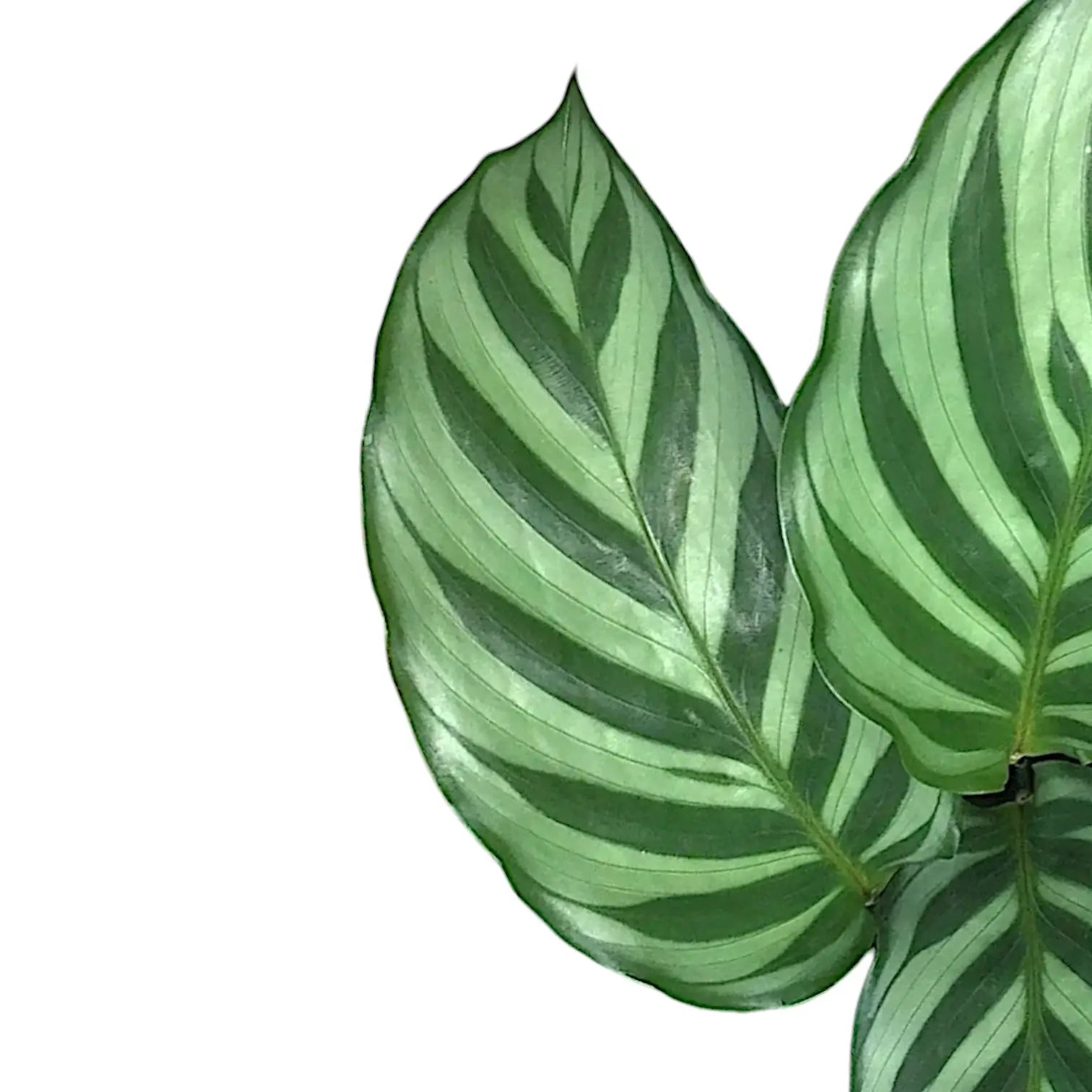
- Patterned foliage options: lower-risk choices that still give shape and visual interest indoors.
How to make lower-risk plants easier to live with
Placement still matters. Keep trailing stems off the floor if pets treat moving foliage as a toy. Use stable pots for top-heavy plants. Remove dropped leaves before they become chewable. Store fertilisers and sprays separately. None of that is complicated, but it makes a real difference in a busy home.
It also helps to choose by light and routine, not by safety label alone. A lower-risk plant that slowly declines in the wrong conditions still creates mess, stress and repeat buying.
How to narrow it down
Start with safety, then narrow by light level, growth habit and the amount of care you realistically want to give. That way you do not just avoid higher-risk plants; you also end up with plants that actually suit your home.
Back to top and choose the lower-risk plants that suit your home and the level of caution you want around pets or children ↑
Frequently Asked Questions About Non Toxic Houseplants
What is the difference between Pet Friendly Houseplants and Non-Toxic Houseplants?
Non-Toxic Houseplants is the broader safety-led collection, while Pet Friendly Houseplants is the narrower shortlist for homes that want an extra-cautious filter. Neither label means chew-safe or pet-proof, and even plants listed as non-toxic can still cause vomiting or stomach upset if a pet eats plant material.
Are non-toxic houseplants actually safe for cats and dogs?
They are lower-risk, not risk-free. In ASPCA terms, “non-toxic” means a plant is not expected to cause poisoning, but eating plant material can still trigger vomiting or gastrointestinal upset. Treat the label as a way to reduce risk, not as permission to let pets chew the plant.
Which collection should I choose if my pet chews plants or gets into everything?
Start with Pet Friendly Houseplants. If your pet regularly chews, paws at, or knocks into plants, the narrower shortlist is the better starting point. Choose Non-Toxic Houseplants when your main goal is avoiding known poisonous plants but you still want a broader range of plant types.
How can I check whether a specific houseplant is safe for cats and dogs?
Check the exact botanical name against a reliable database such as ASPCA, not just the common name. Common names are messy, and plants sold under similar labels can carry very different risks. Lilies are the clearest example: true lilies are an emergency for cats, while plants sold as peace lilies are different plants with different toxins.
Which common houseplants are most worth avoiding in pet homes?
True lilies and daylily types are near the top of the avoid list for cat homes because they can cause acute kidney failure. Sago palm is another major avoid because it can cause severe liver damage. Many common indoor aroids, including Monstera, Philodendron, pothos, peace lily, and Alocasia, also cause painful oral irritation and vomiting if chewed, and Aloe vera is toxic to cats and dogs as well.
Limited discounts, extras, and bundle deals for subscribers.
Get points with every order to redeem them for discounts.
Give your friends 10 € off and get 200 Foliage Points.
Use your 10% code on plants when you're ready to order.