Jewel Orchids
Jewel orchids are orchids grown for the leaves first. Their draw is velvet texture, metallic or contrasting veining, and a low, creeping habit that rewards close viewing. Most commonly grown types behave more like shade-loving terrestrial foliage plants than bark-mounted, sun-hungry orchids, so they suit stable setups with soft light and steady humidity.

About Our Filters
Filters help you narrow things down fast and without guessing. We put a lot of time and effort into keeping filter values consistent across the shop by cross-checking references and validating them against real-world indoor growing and handling.
Use them as guidance, not guarantees. Homes vary a lot, so for the full context (and any exceptions), open the product page and read the description.
How filtering works
- Filters stack: each selection narrows results.
- Multiple picks in one filter are usually either/or within that filter.
- Undo anytime: click a selected option again (or clear filters).
Safety
- Non-toxic: not known for relevant chemical toxicity for common pets (chewing can still cause irritation).
- Non-toxic & Pet Friendly: stricter shortlist that also avoids many physical hazards like spines, sharp tips, thorns, and bristles.
Common care filters
- Light level: Low indirect → Full sun/direct.
- Water Needs: Low / Medium / High.
- Humidity Level: Normal (40–50%) / Moist (50–60%) / Humid (60–80%+).
Growth & size
- Growth Habit: climbing, trailing, crawling, upright, self-heading, clumping, rosette.
- Needs support? none / optional / needed.
- Delivered size: pot size + plant height at shipping.
- Max size indoors: realistic long-term height + spread indoors.
Looks & botanical browsing
- Leaf Shape & Size + Foliage Colour: quick visual categories.
- Plant Type / Genus / Family: browse by broad group or taxonomy.
If you want to see the references we use, Plant Care Resources is simply a curated list of source links (POWO, Kew, and more).
Sort by
Filters
Orchidaceae
Jewel Orchids
Quick Overview
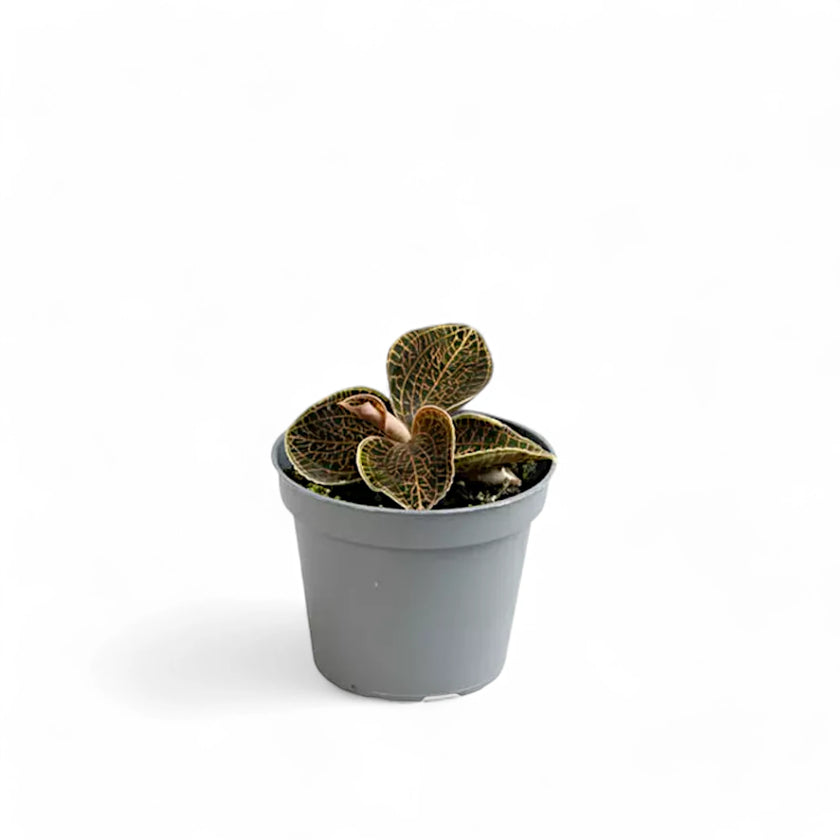
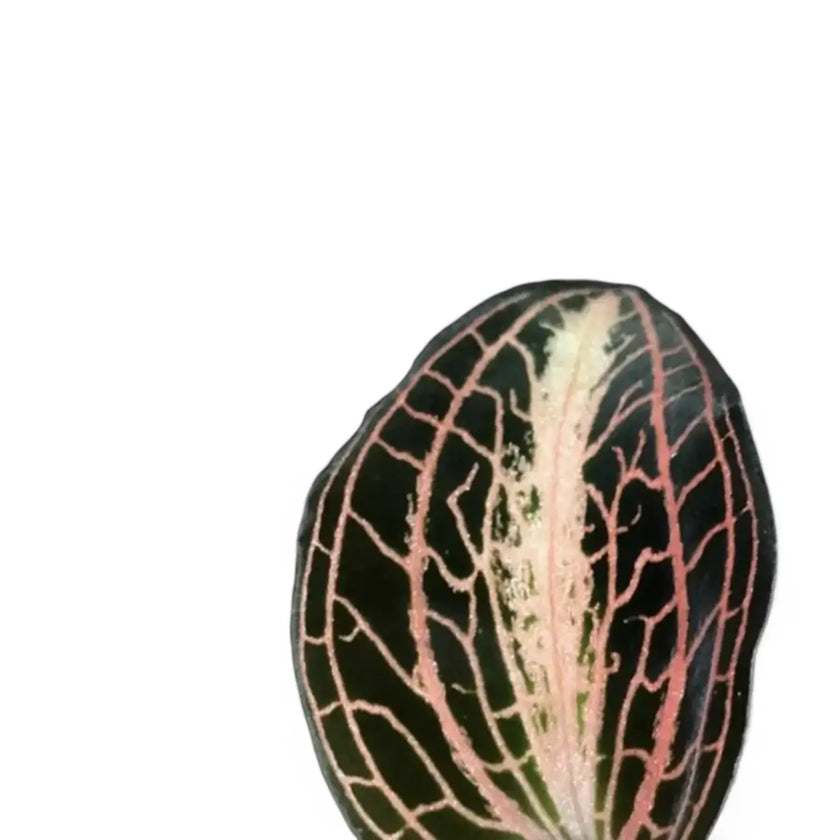
Jewel orchids-close-up foliage highlights
- Focus: Compact plants grown for metallic veining and velvety leaf surfaces, not tall spikes.
- Light: Gentle, even light; scorch and deep shade both ruin pattern and texture.
- Moisture: Keep substrate lightly moist and airy; full dry-outs or swampy pots cause fast decline.
- Placement: Best right at eye level on desks or shelves where leaf detail is easy to see.
- Best for: Careful growers with stable conditions who enjoy slower, detail-heavy plants.
Botanical Profile
Many jewel orchids kept indoors are terrestrial or litter-growing rather than epiphytic. That is why they are usually grown in finer, more moisture-retentive mixes than typical bark-grown orchids.
Details & Care
Jewel Orchids: close-up foliage with metallic veining
Jewel orchids are built for close viewing. Compact stems and low rosettes carry leaves with metallic veining, velvety texture or subtle shimmer, so they look impressive even when there are no flowers at all.
Many grow terrestrially on forest floor debris and like gentle, stable conditions: moderate light and lightly moist substrate without big swings. They are slower and more sensitive than many aroids but repay consistent care with intricate, detailed foliage.
- Highlight: Leaves with fine, contrasting veins and surfaces that seem to catch light from within.
- Scale: Small, low-growing plants suited to eye-level shelves, desks and front-row positions.
- Care temperament: Sensitive to extremes; cope best when light, moisture and temperature stay fairly steady.
- Display strength: Work best where you can get close enough to notice pattern and texture, not as distant fillers.
- Look elsewhere if: You prefer very fast growth, tolerate long dry-outs or rarely check on your plants.
Use Jewel Orchids when you want small, slow foliage showpieces at eye level and are ready to give them stable, careful conditions.
Frequently Asked Questions About Jewel Orchids
What makes a jewel orchid different from most orchids?
Jewel orchids are usually grown for patterned foliage rather than for showy flowers. Many common indoor types are terrestrial creepers rather than bark-grown epiphytes, so they want a finer, evenly moist mix and more stable root moisture than many classic orchid houseplants.
Do jewel orchids need low light?
No. Most do best in medium to bright indirect light, not in a dark corner and not in hard sun. They cope with gentler light than many sun-loving orchids, but weak light usually leads to slower growth and a less compact habit.
Should jewel orchids grow in bark or potting mix?
Most common jewel orchids do better in a fine, airy terrestrial orchid mix or an open houseplant mix rather than chunky bark alone. Shallow, wider pots also suit their creeping growth better than deep orchid pots.
How should I water jewel orchids?
Keep the mix lightly and evenly moist. Water when roughly the top 10–20% of the mix has dried, then let excess water drain away. Do not let the whole pot stay dry for long, but do not keep it soggy or airless either.
Are jewel orchids safe around pets?
Commonly sold jewel orchids are generally treated as non-toxic to cats and dogs, but chewing can still damage the plant and may cause mild stomach upset. Keeping them out of reach is still the safer option.
Limited discounts, extras, and bundle deals for subscribers.
Get points with every order to redeem them for discounts.
Give your friends 10 € off and get 200 Foliage Points.
Use your 10% code on plants when you're ready to order.