Skip to content

Cart

Your cart is empty

White Foliage Plants

White Aglaonema leaves, close up on white background

Sort by

Filters

White Foliage Plants

Quick Overview

White foliage-limits and requirements

  • Chlorophyll: white sectors contribute little; nearby green patches do most of the work.
  • Light: strong bright-indirect light is ideal; long, hard sun behind glass scars or yellows pale areas fast.
  • Water: cold, wet roots or repeated deep droughts usually damage white sections first.
  • Substrate: open, well-structured mixes keep roots oxygenated and reduce rot risk in slower-growing plants.
  • Growth: smaller leaves and slower expansion than fully green relatives are normal behaviour, not failure.
  • Pattern: care keeps pattern stable; it does not magically increase or “improve” the white percentage over time.
Details & Care

White Foliage Plants: high contrast for disciplined setups

White foliage under real conditions

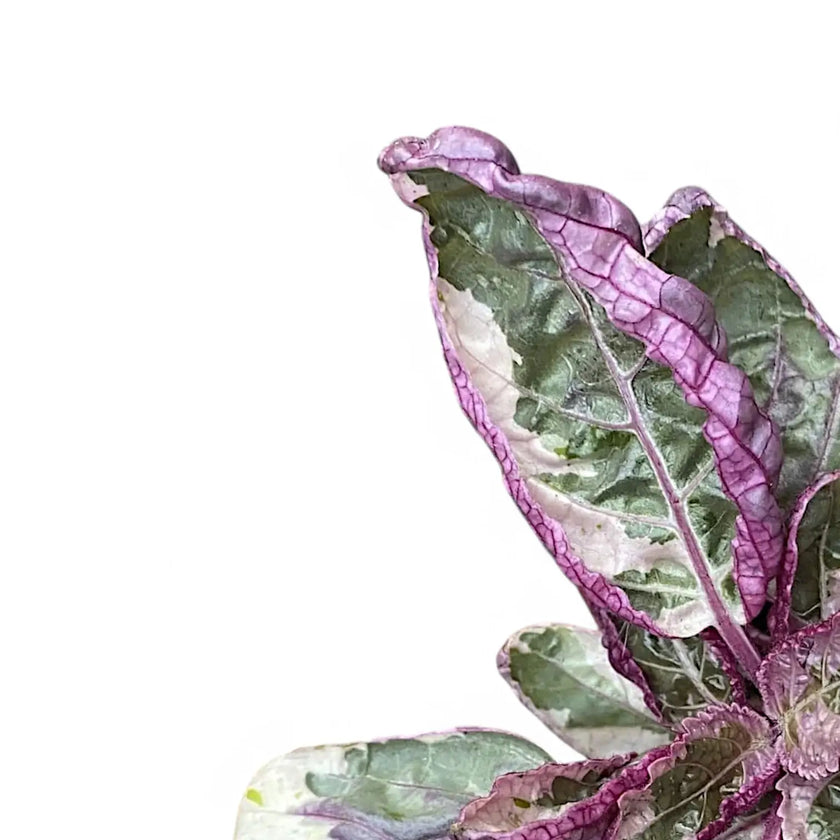
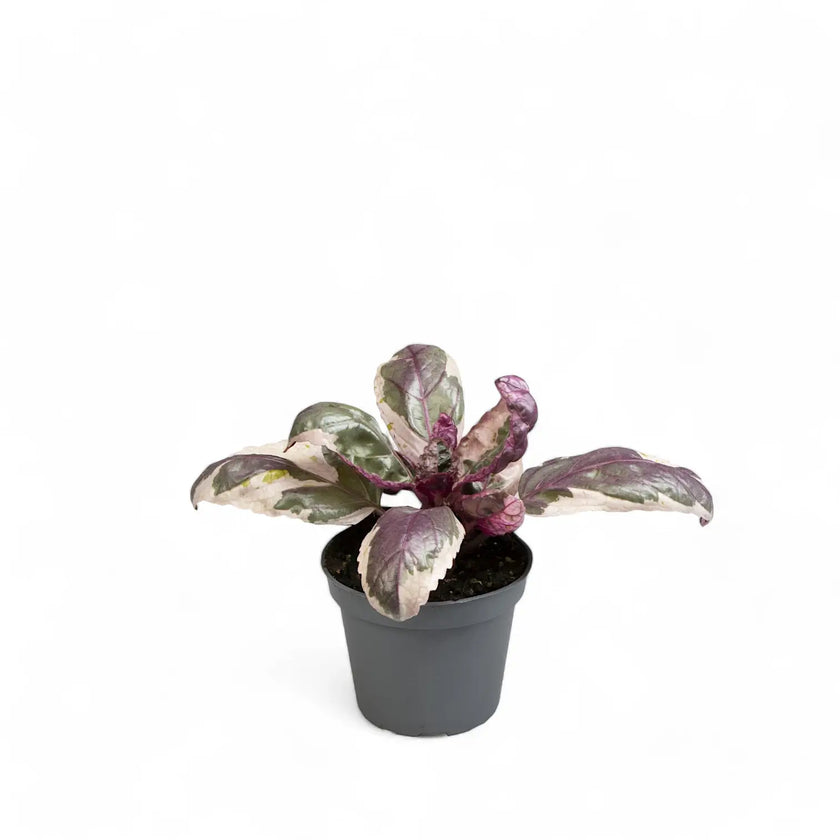
On white foliage plants, cream and snow-white sectors contribute little to the plant’s energy budget. The remaining green tissue carries most of the work, so long spells of low light, cold rooms and wet, heavy substrate leave very little margin for mistakes compared with plain green forms.

Who white foliage actually suits

  • Light is sorted: you have bright but filtered light available and know which windows turn harsh at midday.
  • Drying time is predictable: you understand how fast your pots usually dry and you are not watering “just in case”.
  • Routine exists: you already walk past your plants with half an eye on leaves and substrate, not only when something looks half gone.

Treat white foliage as a reward, not a starting point, and narrow by plant type before you fall for the whitest leaf in the room. Decide if you want a climber, trailing plant or compact tabletop piece, then ignore anything that does not fit that brief, no matter how white the latest leaf looks in photos.

Care focus without myths

Bright, gentle light lets green and white areas share the work without roasting the palest parts. Mixes should be free-draining and structured, with clear air gaps so roots are not sitting in cold sludge for days. Deep droughts followed by heavy soaking and long-term swamp conditions both tend to mark white sectors first.

For more detail on handling white-heavy patterns, see White Variegated Houseplants-Full Guide.

If your current setup still feels like guesswork, build confidence with less extreme variegation or solid green plants first and keep this section on your “later” list.