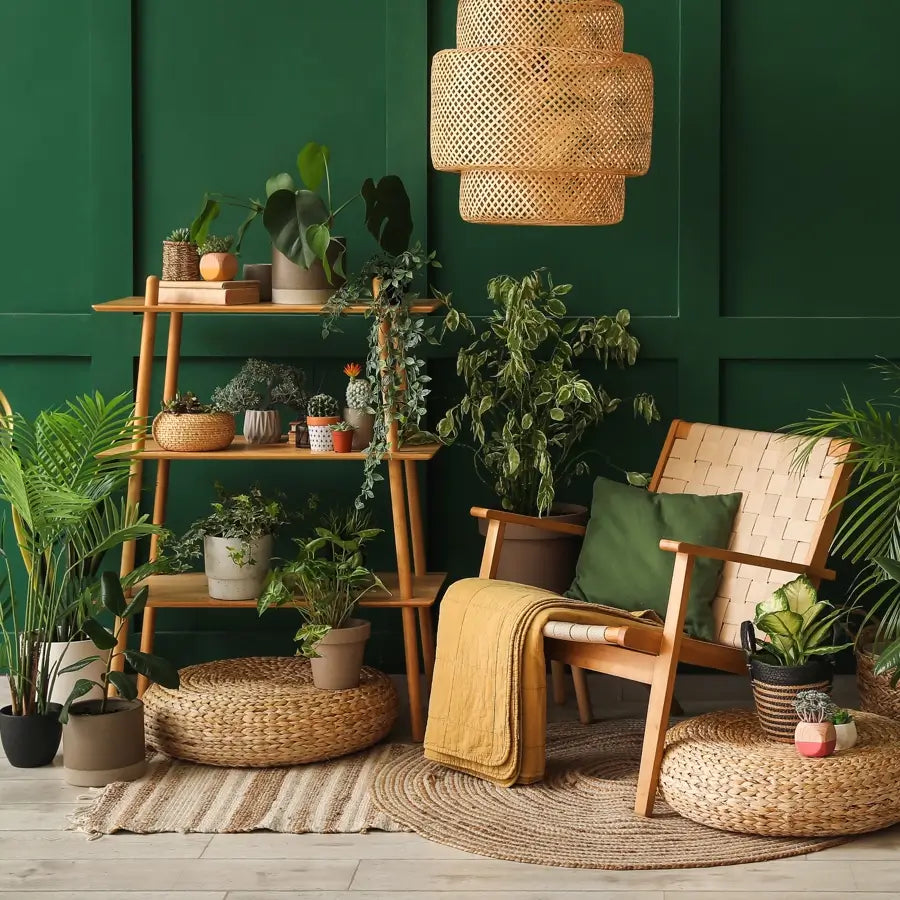
Complete Baby Plant Care Guide: What to Do After Purchase
From unboxing to long-term growth – everything you need for your mini plants to thrive.
There’s nothing quite like unpacking a box of fresh baby plants – whether it’s a delicate Monstera adansonii ‘Mint’ or a compact Philodendron starter. But these little greens aren’t just cute; they need the right care to adjust after shipping. This guide walks you through each stage, from the moment they arrive until they’re well established in your indoor jungle.
Whether you’re new to indoor plants or adding to your collection, this care guide is designed to help your baby plants thrive without overwhelm. Scroll down or jump straight to the part you need.
A curated selection of bestselling baby plants including variegated Alocasia and Monstera — the perfect starter choices for lovers of variegated plants.
What Exactly Are Baby Plants and How Are They Grown?
Baby plants – sometimes called mini plants – are young, actively growing indoor plants sold in smaller pots, usually around 6 cm wide and 10–15 cm tall. Their compact size makes them affordable, easy to ship, and ideal for smaller spaces or plant beginners.
How are baby plants propagated?
Most starter plants you’ll find at Foliage Factory are produced through tissue culture – a sterile lab process that clones plants from tiny pieces of healthy mother plants. The benefits?
Disease-free from the start
Genetically uniform
Available year-round, even for rare varieties
Popular species like baby Monstera, Alocasia, or Ficus are often grown this way, making it easier to offer exotic cultivars at manageable sizes.
Unboxing Baby Plants Without Damage: Step-by-Step
Shipping can be a bumpy ride for any plant, especially young ones with delicate stems and fine roots. But with the right steps, your baby plants will recover quickly from transit stress.
Here’s exactly how to unpack and inspect them safely:
Step-by-step unboxing checklist:
Use scissors, not brute force: Carefully open the box with scissors or a craft knife. Don’t tear through the packaging – baby plants are often wrapped snugly to prevent movement.
Remove padding gently: Peel back paper, padding, or any protective wrap slowly. Avoid pulling the plant by its stem or leaves. If it's stuck, free it from the base.
Watch for loose soil: A bit of shifted substrate is normal. Simply tip the pot gently to settle the soil, or lightly brush off excess without pressing down.
Inspect for mild cosmetic stress: Bent leaves, a bit of droop, or slight yellowing on older leaves is totally normal after shipping. These aren’t signs of bad health, just temporary stress.
Check for pests or mold: While rare with lab-grown plants, always inspect for fungus gnats or white fuzzy mold near the base. If present, isolate the plant and treat with neem or soap.
Place in bright, indirect light immediately: Give your plant a calm, stable spot away from direct sun. Avoid window sills that heat up during the day. Think filtered light or a north-facing windowsill.
Expert tip: Avoid the temptation to repot. Your plant needs time to acclimate before handling its roots. We’ll get to repotting later — for now, let it rest.
Healthy baby plants straight from the greenhouse — proper unboxing and acclimation helps them adjust to your indoor environment
The First 24 Hours: Let Your Baby Plants Breathe
The first 24 hours are all about stability. After shipping, baby plants are adjusting to sudden changes in light, temperature, and humidity. Your job? Keep it calm. No big changes. No repotting. Just gentle support.
Here’s what to focus on during day one:
What not to do:
Don’t repot yet: Their roots are still in shock. Even if the nursery pot seems too small or the soil looks messy, wait at least 3–4 weeks before repotting.
Don’t fertilize: Feeding too early stresses the plant more. Give it time to settle before encouraging growth.
What to do instead:
Check the soil moisture: Gently press your finger into the top 1–2 cm of soil.
If dry: Give a light watering until water runs slightly from the bottom.
If still moist: Wait. Overwatering now can lead to rot.
Give it the right light: Choose a spot with bright, indirect light. Think: a meter back from a bright window, or under a sheer curtain. No direct sun yet — it’ll only increase stress.
Boost recovery (optional): Some growers use a diluted plant tonic like seaweed extract, humic acid, or Superthrive to help ease transplant shock. Use sparingly — once, at half strength, only if needed.
Helpful to know: If your plant looks tired or slightly limp — don’t panic. That’s common. As long as the roots are healthy and you avoid overwatering, your plant will perk up over the next few days.
Anthurium baby plants thrive with bright, indirect light and gentle watering — learn how to support their sensitive roots
Light and Water: What Baby Plants Actually Need
Baby plants are smaller, but that doesn’t mean their needs are easier. In fact, they’re more sensitive to overwatering, poor drainage, and harsh light. The key is finding the balance – and adjusting care to the type of plant you’re growing.
Use fast-draining soil (avoid standard peat-heavy mixes)
Bright light is even more important here — too dark = rot risk
📌 Need plant-specific tips?
Check our detailed care information and tips for all plant varieties we sell. Each plant has slightly different preferences. Each variety in our shop has a detailed guide to its natural habitat, needs and care requirements!
Delicate Begonia baby plants may have issues adjusting to their new home — the first week is key to healthy long-term growth
Helping Baby Plants Settle During the First Week
The first 24 hours are all about recovery. But the real test comes in the first 7 days. This is when baby plants start showing you how they’re coping — and when many beginner mistakes happen from doing too much, too soon.
The good news? Most of the time, your plant just needs space, light, and time.
What to look for during the first week:
Light response: Is your plant leaning toward the light? That’s normal — but it’s a sign to rotate the pot every few days for balanced growth.
Drooping or curling leaves? Could mean underwatering or stress from too much light. Check both soil moisture and placement.
Yellowing tips or soft stems? Usually points to overwatering. Let the soil dry out before watering again. These early warning signs are easier to fix than full rot.
No growth yet? Totally fine. Your plant is busy below the surface — building roots, not leaves.
Simple 7-day care rhythm:
Day 1–2: Let it rest. Monitor but don’t touch.
Day 3–4: Check soil. Mist lightly if humidity is very low (especially for tropicals).
Day 5–6: Evaluate light position and plant posture.
Day 7: Check roots only if you suspect rot (smell test: sour = trouble).
Pro tip: If you see one or two older leaves yellowing — don’t panic. It’s common during adjustment. Focus on new growth to judge plant health.
Establishing Long-Term Care for Baby Plants
Once your plant has settled — typically after the first 2 to 4 weeks — it’s time to shift from survival mode to growth mode. This means consistent watering, light feeding, and eventually upgrading its home. But like all things with baby plants, it’s about timing and moderation.
Watering: build a rhythm, not a schedule
Now that you know your plant’s personality, stick to its preferences:
Check soil, not the calendar: Don’t water just because it’s “watering day.” Use your finger to test the top 1–2 cm. If it’s dry (for tropicals) or fully dry (for succulents), then water.
Adapt to seasons: Less water in winter. More in active growth months. But no drastic shifts — just follow the soil.
Always drain excess water: Avoid pots without drainage holes unless you’re experienced with inner nursery pots and cachepots.
Baby Alocasias can be sensitive — spotting yellow leaves or droop early helps prevent common plant care mistakes
Common Problems and How to Fix Them
Even if you follow all the care steps, baby plants can still throw you a curveball. Don’t stress — most problems are easy to solve once you know what to look for. This section helps you identify issues quickly and take action before they escalate.
😒 Yellowing leaves
Cause:
Most often overwatering. Roots begin to suffocate and rot when constantly wet.
Fix it:
Check soil moisture — if soggy, let it dry completely
Ensure your pot has drainage holes
Remove any soft, yellow leaves — they won’t recover
Hold off on watering until the top of the soil is dry
😒 Wilting or drooping
Possible causes:
Underwatering (dry, brittle soil)
Overwatering (wet, soggy soil with limp stems)
Temperature swings or drafty windows
Fix it:
If dry: Water slowly and evenly
If wet: Allow to dry, then adjust your watering habits
If near a cold window or heater: Move to a more stable location
😒 Pests on baby plants
Tissue-cultured plants are less likely to carry pests, but once they’re in your home, fungus gnats or spider mites can appear, especially if conditions are too damp or dry.
What to look for:
Tiny black flies (fungus gnats)
Fine webbing or speckled leaves (spider mites)
Sticky residue or small bumps (scale, mealybugs)
Fix it:
Isolate the affected plant
Use a neem-based spray or gentle insecticidal soap
Let soil dry between waterings to prevent gnats
Wipe leaves with a damp cloth and recheck weekly
Pro tip: Always inspect new plants before adding them to your collection. A 1–2 week quarantine helps protect the rest of your indoor jungle.
📌 Want to dive deeper into pest prevention and treatment?
Browse our Pest Control Blog Section — packed with step-by-step solutions for fungus gnats, mites, scale, and more.
Goeppertia baby plants reward patient care with vibrant foliage — watching them grow is part of the fun
The Joy of Watching Baby Plants Grow
Watching a baby plant thrive is a slow kind of magic — and one of the most rewarding parts of plant care. You’ll start to notice the subtle shifts: a new unfurling leaf, a stronger stem, a brighter green. These are your wins.
Here’s what to celebrate as your plant matures:
New leaves that open bigger and healthier than the last
Faster growth once roots settle and care is consistent
Shape and structure changes — climbing, trailing, or stretching up
Plant growth isn’t linear. Some weeks they’ll sprint, others they’ll stall. What matters most is consistency, not perfection.
Try this: Take a photo every 2 weeks. Over time, you’ll build a growth timeline that’s way more satisfying than any app notification.
Start Your Baby Plant Journey with Our Favorites
Ready to grow your collection — or start one? Our hand-picked baby plants are easy to care for, arrive ready to root, and thrive with just the basics!
Three collector favourites, three very different looks: compare variegation patterns in Pilea peperomioides ‘Mojito’, ‘Sugar’, and ‘White Splash’, then dial in care so each one grows well indoors.
Must-have classics for real homes: 8 houseplants, from snake plant and peace lily to Monstera and ZZ plant, plus quick care tips, pairing ideas, and pest-prevention basics.