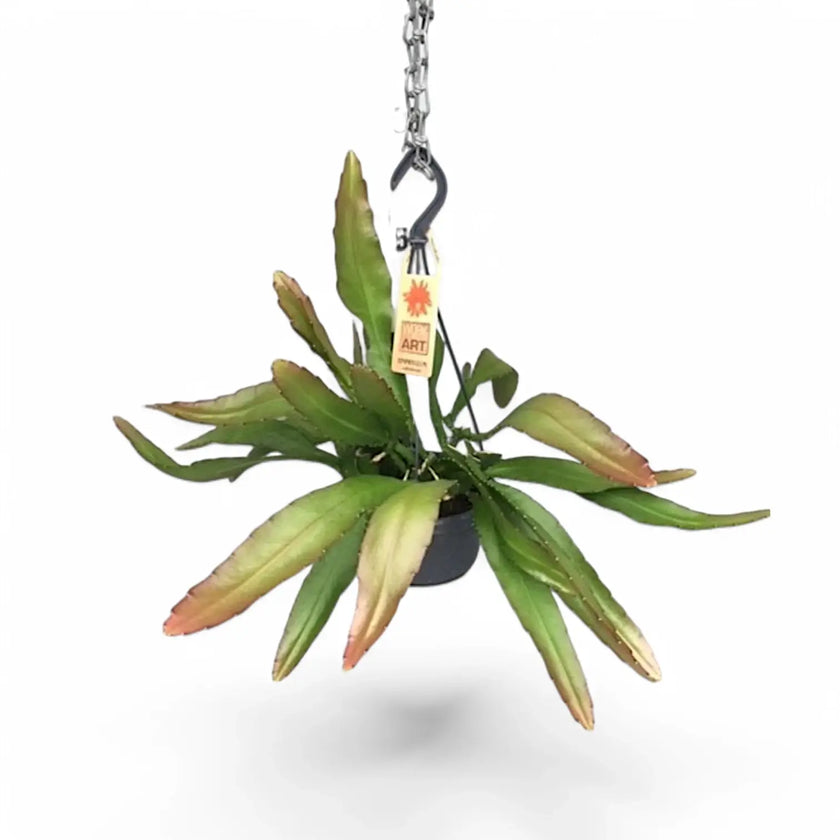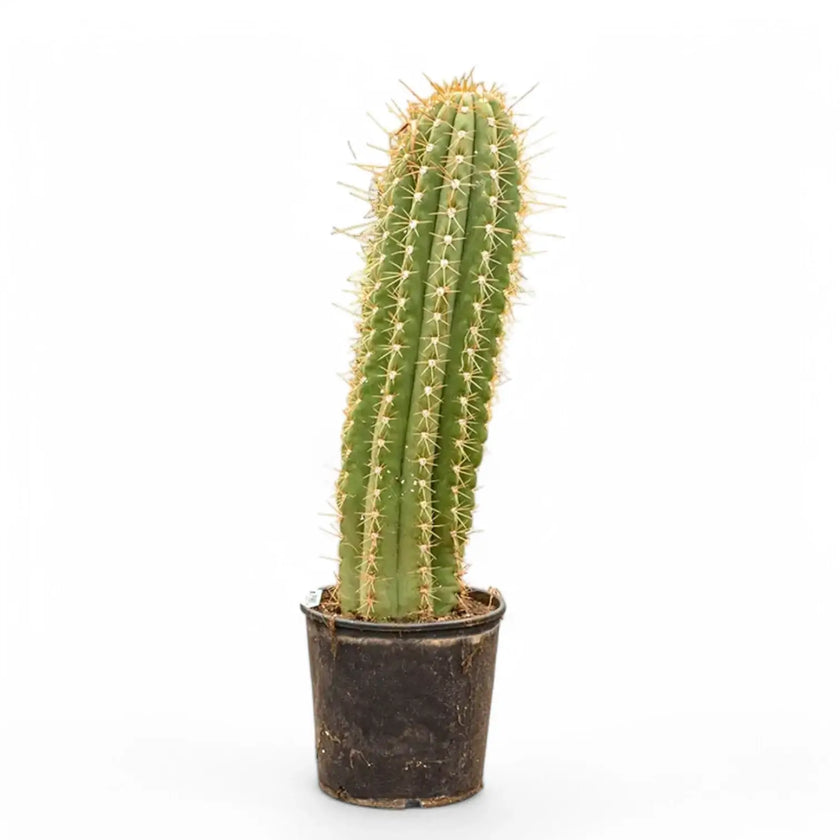
Cacti
Cacti, or Cactaceae, are separated from other succulents by areoles. Many indoor cacti are bright-light, fast-drying desert species, but the family also includes epiphytic forest types that want softer light and a less severe dry cycle. That breadth is exactly why the group feels much larger than the usual cactus stereotype.
Cacti are strongest when you want sculptural plants with a clear care rhythm rather than leafy tropical growth. The first real distinction is between desert lines and softer forest backgrounds, because that shifts watering and light far more than the word cactus on its own.

About Our Filters
Filters help you narrow things down fast and without guessing. We put a lot of time and effort into keeping filter values consistent across the shop by cross-checking references and validating them against real-world indoor growing and handling.
Use them as guidance, not guarantees. Homes vary a lot, so for the full context (and any exceptions), open the product page and read the description.
How filtering works
- Filters stack: each selection narrows results.
- Multiple picks in one filter are usually either/or within that filter.
- Undo anytime: click a selected option again (or clear filters).
Safety
- Non-toxic: not known for relevant chemical toxicity for common pets (chewing can still cause irritation).
- Non-toxic & Pet Friendly: stricter shortlist that also avoids many physical hazards like spines, sharp tips, thorns, and bristles.
Common care filters
- Light level: Low indirect → Full sun/direct.
- Water Needs: Low / Medium / High.
- Humidity Level: Normal (40–50%) / Moist (50–60%) / Humid (60–80%+).
Growth & size
- Growth Habit: climbing, trailing, crawling, upright, self-heading, clumping, rosette.
- Needs support? none / optional / needed.
- Delivered size: pot size + plant height at shipping.
- Max size indoors: realistic long-term height + spread indoors.
Looks & botanical browsing
- Leaf Shape & Size + Foliage Colour: quick visual categories.
- Plant Type / Genus / Family: browse by broad group or taxonomy.
If you want to see the references we use, Plant Care Resources is simply a curated list of source links (POWO, Kew, and more).
Sort by
Filters
Cactaceae
Cacti
Quick Overview
Cacti: light-first plants with a true dry-down cycle
- Light: very bright; direct sun is often ideal after acclimation.
- Watering: soak fully, then wait until the mix is completely dry before watering again.
- Substrate: gritty, airy and mostly mineral for fast drainage.
- Pots: drainage holes are non-negotiable; smaller pots often dry more predictably.
- Handling: spines and fine glochids can stick, so use tongs or thick gloves.
- Growth pace: slow and steady; compact growth usually means conditions are right.
Botanical Profile
The defining cactus feature is the areole, a reduced branch that produces spines, flowers and new growth. That is what separates true cacti from other succulent plants that may look similar.
Details & Care
Cacti: bright-window plants with a real dry-down cycle
What Cacti need most indoors
Cacti need more light than most houseplants, and they show weak conditions fast. In a bright window they stay compact, firm and well-shaped. In poor light they stretch, lean and lose the structure that makes them worth growing indoors in the first place at all.
Most cacti here want the brightest place you can offer, fast drainage and a watering routine that includes a genuine dry-down. That combination matters far more than feeding, decorative pots or trying to rescue them with guesswork later.
Not every cactus wants the exact same sun
Many cacti suit south- or west-facing windows and can take direct sun indoors once acclimated. Some softer-bodied or forest-derived types, especially flatter-stemmed species, do better with strong filtered light or gentler direct sun instead of hard midday exposure all day.
If a cactus is moved too suddenly from greenhouse shade or shipping darkness into intense sun, you can get scorch instead of healthy colour. Pale or corky burn marks do not reverse, so gradual adjustment is worth it.
Watering and substrate-soak, drain, then leave them alone
For most cacti, water thoroughly only when the potting mix has dried almost completely or fully through, then let all excess drain away. In cooler or darker months, watering should slow sharply because the mix stays wet longer and roots use less moisture.
Dense, organic compost is where indoor cactus care usually goes wrong. Use a mineral-rich, fast-draining mix with pumice, lava, grit, perlite or similar coarse material so water moves coarse material so water moves through quickly and roots stay aerated.
Temperature, airflow and handling
Warm indoor conditions usually suit cacti well during active growth. If temperatures drop, the mix should stay drier. Cold and wet together are far riskier than warm and dry. Good airflow also helps stems dry properly after watering and reduces fungal problems around the base.
Handling depends on the plant. Long spines are obvious, but fine glochids can be even more irritating. Folded paper, tongs or thick gloves are usually better than bare hands when moving plants around.
What you may notice after shipping
Cacti usually travel better than soft foliage plants, but they can still arrive dusty, slightly wrinkled or marked where spines rubbed against packaging. That is mostly cosmetic if the body still feels firm and the base is sound.
Set new plants in bright light first, then move them into stronger direct sun over several days if needed. Check the mix before watering. A firm cactus rarely needs immediate watering just because it has been in a box. For broader settling-in advice, see our acclimatisation guide.
Cactus troubleshooting-fast signs that matter
- Pale, narrow new growth: not enough light.
- Soft base or translucent tissue: excess moisture is the likely cause.
- Wrinkling with a dry pot: usually thirst, provided roots are still healthy.
- Bleached tan patches: sunscald after a sudden jump into stronger light.
- No real growth despite watering: often a light problem, not a fertiliser problem.
Back to top and choose the cactus form that matches your brightest sill and the pace you want from the plant ↑
Frequently Asked Questions About Cacti
What makes a cactus a cactus?
A cactus is identified by areoles, the small cushions or pads from which spines, hairs, and flowers emerge. That is what separates true cacti from other stem succulents that can look similar at first glance.
Do all cacti want full sun?
No. Most desert cacti want very bright light and usually some direct sun indoors, but jungle cacti such as Schlumbergera, Rhipsalis, and Epiphyllum prefer bright or medium indirect light with much gentler sun.
How should I water indoor cacti?
Water by cactus type, not by calendar. Desert cacti are usually watered once nearly all of the pot has dried, while jungle cacti are usually watered earlier, around the top 20–30% of the mix. In cooler or darker conditions, drying slows down and watering should be less frequent.
Why is my cactus stretching or leaning?
That is usually a light problem. In weak light, cacti become thin, elongated, and unstable, and that stretched growth will not tighten back up later. The fix is stronger light for new growth, not more water or fertilizer.
Are cacti safe around pets?
True cacti are usually more of a physical hazard than a poisoning risk, but spines still make them a poor choice for pets that chew plants or knock pots over. Also do not assume every cactus-looking plant is a cactus, because lookalike Euphorbia can be toxic.
Limited discounts, extras, and bundle deals for subscribers.
Get points with every order to redeem them for discounts.
Give your friends 10 € off and get 200 Foliage Points.
Use your 10% code on plants when you're ready to order.