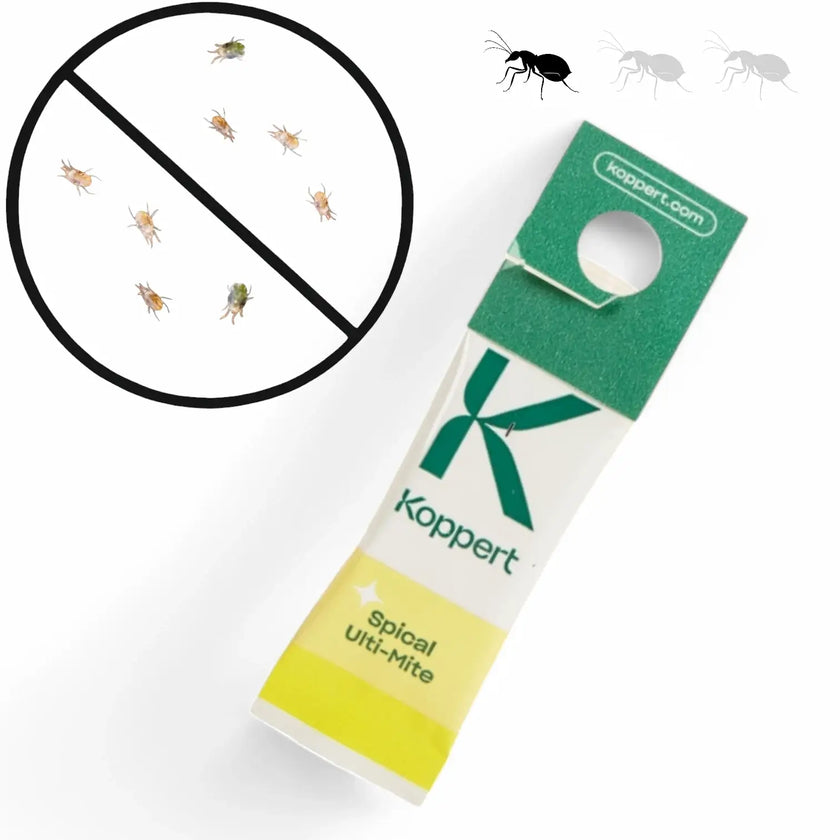
Pest Control
Sticky traps, biological controls, soaps and other targeted pest-control products for indoor plants. Useful when you need to monitor or reduce a specific problem early, or when an existing infestation needs a clearer treatment routine instead of improvised fixes.

About Our Filters
Filters help you narrow things down fast and without guessing. We put a lot of time and effort into keeping filter values consistent across the shop by cross-checking references and validating them against real-world indoor growing and handling.
Use them as guidance, not guarantees. Homes vary a lot, so for the full context (and any exceptions), open the product page and read the description.
How filtering works
- Filters stack: each selection narrows results.
- Multiple picks in one filter are usually either/or within that filter.
- Undo anytime: click a selected option again (or clear filters).
Safety
- Non-toxic: not known for relevant chemical toxicity for common pets (chewing can still cause irritation).
- Non-toxic & Pet Friendly: stricter shortlist that also avoids many physical hazards like spines, sharp tips, thorns, and bristles.
Common care filters
- Light level: Low indirect → Full sun/direct.
- Water Needs: Low / Medium / High.
- Humidity Level: Normal (40–50%) / Moist (50–60%) / Humid (60–80%+).
Growth & size
- Growth Habit: climbing, trailing, crawling, upright, self-heading, clumping, rosette.
- Needs support? none / optional / needed.
- Delivered size: pot size + plant height at shipping.
- Max size indoors: realistic long-term height + spread indoors.
Looks & botanical browsing
- Leaf Shape & Size + Foliage Colour: quick visual categories.
- Plant Type / Genus / Family: browse by broad group or taxonomy.
If you want to see the references we use, Plant Care Resources is simply a curated list of source links (POWO, Kew, and more).
Sort by
Filters
Pest Control
Quick Overview
Pest control essentials for indoor plant collections
- Reality: some pests are inevitable indoors; the goal is early detection and calm, consistent control.
- Checks: inspect leaf undersides, new growth and pot rims regularly instead of waiting for severe damage.
- Match: choose products that match the pest you actually see-mites, scale, mealybugs, fungus gnats or others.
- Repetition: most pests have multi-stage life cycles; plan several treatments spaced days apart, not a single spray.
- Containment: isolate affected plants, avoid moving them through the whole collection and clean tools after use.
- Toolbox: combine hygiene, correct watering, adequate light and targeted tools such as insecticidal soaps, oils, beneficial insects or nematodes rather than relying on one strong chemical.
Details & Care
Pest Control: early checks, targeted fixes
Indoor pests are normal in warm, crowded plant corners. What matters is how fast you notice them and how targeted your response is, not how many bottles you own.
This Pest Control range offers monitoring tools, biological controls and treatments so you can match products to the actual pest instead of spraying everything "just in case".
Clear signs of common houseplant pests
- Sticky leaves or black sooty coating: often aphids or scale dropping honeydew.
- Fine webbing and speckled, rough leaves: typical spider mite activity.
- Cottony tufts in leaf axils or along stems: mealybugs hiding in joints.
- Hard brown bumps that do not wipe off: scale insects attached to stems.
- Tiny black flies over pots: fungus gnats with larvae in damp substrate.
Visual comparisons and detailed how-tos for specific pests live in the pest-control collection of our Plant Care blog, where you will find separate guides for aphids, spider mites, thrips, mealybugs, whiteflies and more.
A four-step routine instead of panic spraying
- Inspect and separate: move affected plants away from the main group while you confirm what is going on.
- Remove what you can: wipe, rinse or prune off visible insects and badly affected growth.
- Choose targeted products: use sticky traps for flying adults such as fungus gnats, beneficial nematodes or insects for larvae or specific pests, insecticidal soaps or gentle oils for sap-suckers like mites, aphids and mealybugs, and stronger treatments only when gentler options plus hygiene are not enough.
- Repeat on schedule: follow label intervals so newly hatched pests do not rebuild the population.
How to use this Pest Control category
- Mainly gnats in pots: combine sticky traps with nematodes and fix watering and substrate habits.
- Webbing and speckling: focus on mite treatment with insecticidal soap or oil plus better airflow.
- Cottony tufts or hard bumps: run a mealybug or scale routine with repeated treatments and manual removal.
Recurring gnat issues are covered in Fungus Gnats in Houseplants: Identification, Management and Prevention. Once you have identified the pest, pick the matching tools from this range and commit to one clear routine instead of hopping between products.
Frequently Asked Questions About Pest Control
What should I do first when I spot pests on a houseplant?
Isolate the plant first, then inspect it properly. Check leaf undersides, stems, growth points, pot rims, and the surface of the mix so you know what you are dealing with before choosing a treatment.
Are sticky traps enough to solve a houseplant pest problem?
No. Sticky traps are useful for monitoring and reducing flying adults such as fungus gnats and whiteflies, but they do not solve larvae in the substrate or hidden pests on foliage and stems.
Should I spray a plant as soon as I see pests?
Not automatically. Correct identification matters first, and light infestations can sometimes be handled by washing foliage, wiping pests away, pruning damaged growth, or replacing badly infested substrate. When treatment is needed, repeat timing matters more than one heavy spray.
Are beneficial insects or nematodes worth using indoors?
They can work well when the pest is correctly identified and the product matches it, especially for fungus gnat larvae. They are not magic fixes for mixed, advanced, or unidentified infestations.
When is it better to throw a plant away than keep treating it?
If a plant is badly infested, clearly declining, and acting as a source of spread, discarding it can be the smarter decision. Protecting the rest of the collection is sometimes the better outcome.
Limited discounts, extras, and bundle deals for subscribers.
Get points with every order to redeem them for discounts.
Give your friends 10 € off and get 200 Foliage Points.
Use your 10% code on plants when you're ready to order.