Terrarium Kits
Terrarium kits that bring together glass, substrate layers and core setup pieces in one product. Useful for contained plant projects, first terrariums or smaller humidity-focused displays where sourcing every part separately would just slow things down and add guesswork.

About Our Filters
Filters help you narrow things down fast and without guessing. We put a lot of time and effort into keeping filter values consistent across the shop by cross-checking references and validating them against real-world indoor growing and handling.
Use them as guidance, not guarantees. Homes vary a lot, so for the full context (and any exceptions), open the product page and read the description.
How filtering works
- Filters stack: each selection narrows results.
- Multiple picks in one filter are usually either/or within that filter.
- Undo anytime: click a selected option again (or clear filters).
Safety
- Non-toxic: not known for relevant chemical toxicity for common pets (chewing can still cause irritation).
- Non-toxic & Pet Friendly: stricter shortlist that also avoids many physical hazards like spines, sharp tips, thorns, and bristles.
Common care filters
- Light level: Low indirect → Full sun/direct.
- Water Needs: Low / Medium / High.
- Humidity Level: Normal (40–50%) / Moist (50–60%) / Humid (60–80%+).
Growth & size
- Growth Habit: climbing, trailing, crawling, upright, self-heading, clumping, rosette.
- Needs support? none / optional / needed.
- Delivered size: pot size + plant height at shipping.
- Max size indoors: realistic long-term height + spread indoors.
Looks & botanical browsing
- Leaf Shape & Size + Foliage Colour: quick visual categories.
- Plant Type / Genus / Family: browse by broad group or taxonomy.
If you want to see the references we use, Plant Care Resources is simply a curated list of source links (POWO, Kew, and more).
Sort by
Filters
Terrarium Kits
Quick Overview
Terrarium kits-mini ecosystems ready to plant
- All-in-one: bundles glass, drainage, substrate and suitable plants so you do not have to match components yourself.
- Light: aim for bright, indirect light; direct sun on glass overheats the setup and stresses moisture-loving species.
- Watering: add only small amounts of water; light, occasional condensation is fine, constant heavy fogging means it is too wet.
- Placement: terrariums shine where room air is dry or drafty and small potted plants would struggle with humidity swings.
- Maintenance: trim plants touching the glass, remove decaying leaves and wipe inside surfaces if they stay heavily misted.
- Longevity: slower, compact growers will need reshaping less often and keep the composition readable for longer.
Details & Care
Terrarium Kits: plug-and-play humid micro-worlds
Many ferns, mosses and small tropicals want humidity that living rooms rarely provide. Terrarium kits give those plants one stable glass capsule instead of trying to treat the whole flat like a greenhouse at home.
This Terrarium Kits collection bundles glass, drainage layers, substrate and suitable plants into ready-to-assemble sets, so you do not have to source every component separately.
Who a terrarium setup suits
- people in dry homes who still want delicate tropicals to stay healthy,
- collectors who prefer one tuned micro-habitat over several struggling pots,
- beginners who want a guided entry into closed or semi-closed systems.
What a typical Terrarium Kit includes
- a glass container sized for the intended layout,
- drainage and substrate layers matched to terrarium conditions,
- a curated set of plants that tolerate tight, humid air together,
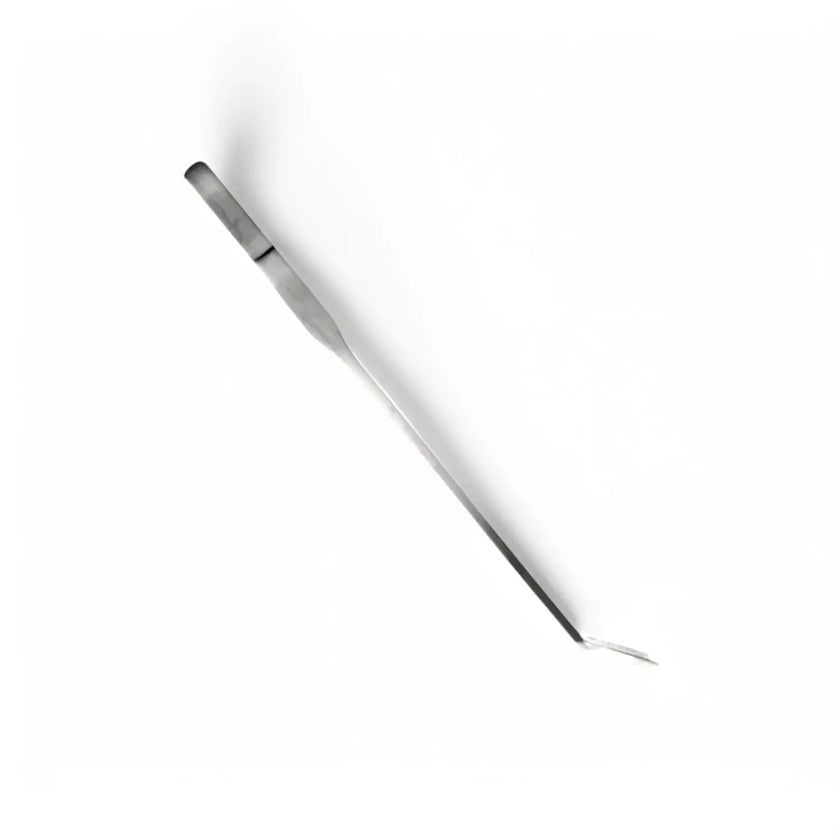
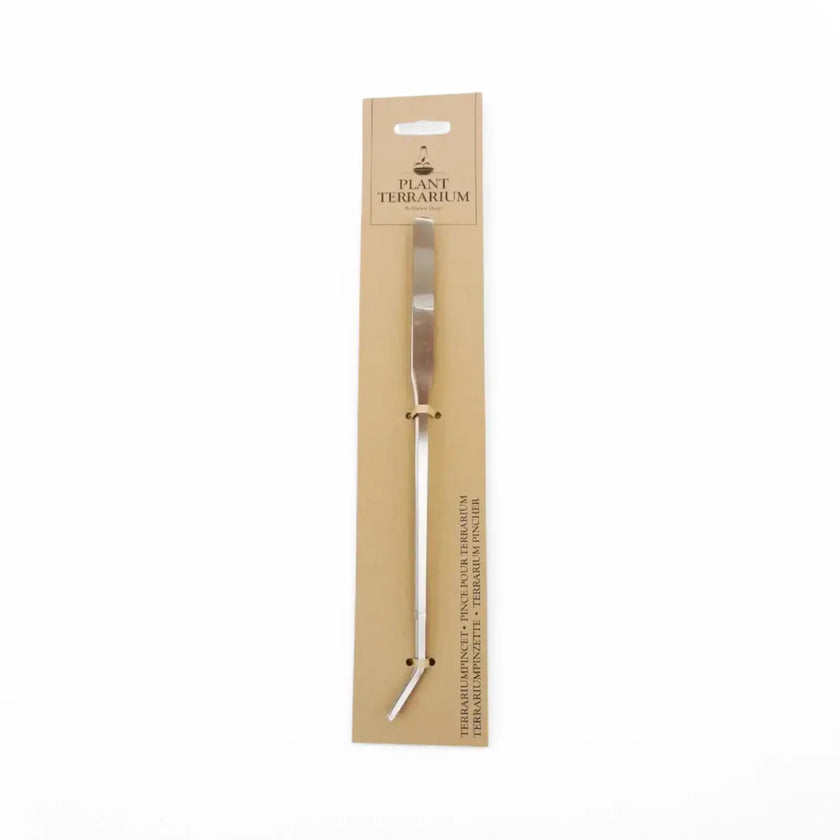
- sometimes simple tools or setup instructions, depending on the kit.
Care needs inside glass
- bright, indirect light rather than strong sun directly on the glass,
- very occasional, light watering once the system has settled,
- periodic trimming and short airing sessions if condensation becomes heavy.
Layout ideas and long-term maintenance are outlined in Starter Terrarium Guide. Choose a Terrarium Kit if you want one self-contained scene that stays stable with small, regular interventions instead of constant open-pot fiddling.
Frequently Asked Questions About Terrarium Kits
What makes a good terrarium kit?
A good terrarium kit starts with a suitable container, clean substrate, and plants that genuinely want the same conditions. Decorative extras matter far less than getting the plant mix and moisture balance right.
Should I choose an open or closed terrarium?
Choose by plant type, not just by looks. Closed terrariums suit small humidity-loving plants, while open terrariums stay drier and work better for plants that dislike trapped moisture.
Can I put succulents or cacti in a closed terrarium?
Usually no. Most succulents and cacti struggle in trapped humidity and weak airflow, so they are better kept in open setups with a faster dry-down.
Do terrariums need fertilizer?
Not at the start, and usually not often. Terrariums are easier to manage when growth stays steady rather than fast, so feeding too early often leads to algae, mould, or soft overgrown plants.
Why is my terrarium foggy, mouldy, or starting to rot?
That usually means it is too wet, too stale, or planted with the wrong mix of species. A little light condensation can be normal, but constant heavy fog, mould, and soft collapsing growth mean the setup needs to dry out and rebalance.
Limited discounts, extras, and bundle deals for subscribers.
Get points with every order to redeem them for discounts.
Give your friends 10 € off and get 200 Foliage Points.
Use your 10% code on plants when you're ready to order.