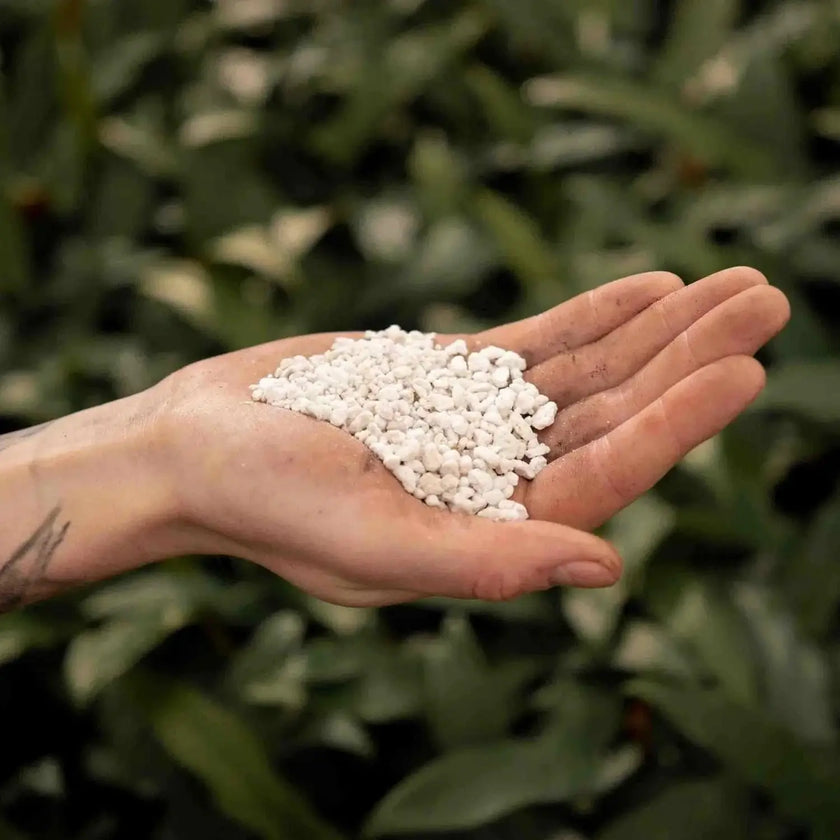
Soil & Substrates
Potting mixes and substrate components change how fast a root zone dries, how much air stays around the roots and how much moisture the pot holds between waterings. This group is useful when the current mix is the problem, not the plant itself.

About Our Filters
Filters help you narrow things down fast and without guessing. We put a lot of time and effort into keeping filter values consistent across the shop by cross-checking references and validating them against real-world indoor growing and handling.
Use them as guidance, not guarantees. Homes vary a lot, so for the full context (and any exceptions), open the product page and read the description.
How filtering works
- Filters stack: each selection narrows results.
- Multiple picks in one filter are usually either/or within that filter.
- Undo anytime: click a selected option again (or clear filters).
Safety
- Non-toxic: not known for relevant chemical toxicity for common pets (chewing can still cause irritation).
- Non-toxic & Pet Friendly: stricter shortlist that also avoids many physical hazards like spines, sharp tips, thorns, and bristles.
Common care filters
- Light level: Low indirect → Full sun/direct.
- Water Needs: Low / Medium / High.
- Humidity Level: Normal (40–50%) / Moist (50–60%) / Humid (60–80%+).
Growth & size
- Growth Habit: climbing, trailing, crawling, upright, self-heading, clumping, rosette.
- Needs support? none / optional / needed.
- Delivered size: pot size + plant height at shipping.
- Max size indoors: realistic long-term height + spread indoors.
Looks & botanical browsing
- Leaf Shape & Size + Foliage Colour: quick visual categories.
- Plant Type / Genus / Family: browse by broad group or taxonomy.
If you want to see the references we use, Plant Care Resources is simply a curated list of source links (POWO, Kew, and more).
Sort by
Filters
Soil & Substrates
Quick Overview
Soil & substrates-matching mix to plant type
- Range: ready-made blends for aroids, Goeppertia and Maranta, Hoya, Ficus, cacti, palms, carnivorous plants, terrariums and more.
- Base vs specialist: base and universal mixes work as starting points; more demanding plants benefit from tailored recipes.
- Components: pine bark, coco coir, perlite, pumice, expanded clay, sphagnum, sand, vermiculite and worm castings let you tune drainage and water-holding.
- Fast-draining options: cactus, succulent and bonsai substrates dry quickly and keep more air around roots.
- Moisture lovers: Calathea, Maranta, terrarium and carnivorous blends hold moisture evenly without turning into sludge.
- Semi-hydro: mineral and inert options suit setups where nutrients come from solution rather than from the soil itself.
Details & Care
Soil & Substrates, where root comfort actually starts
Soil and substrates decide how a pot dries. If mixes stay heavy for days or turn to dust within 24 hours, watering will always feel like guesswork, no matter how careful you are with the watering can at home.
Here you can compare ready-made potting mixes for common plant groups, plus components like bark, pumice, mineral grit, coir and semi-hydro substrates so you can tune how fast water moves through the root zone.
Substrates by root style
- Aroid & tropical foliage mixes: airy, moisture-holding blends for climbing and forest-floor foliage that like damp but oxygenated roots.
- Calathea, Maranta & terrarium blends: finer textures that stay evenly moist yet breathable for moisture-loving and cabinet plants.
- Cactus, succulent & bonsai substrates: mineral-heavy mixes that drain fast and dry quickly for arid plants that dislike lingering moisture.
- Carnivorous plant mixes: low-nutrient, airy substrates paired with rainwater or distilled water only.
- Base mixes & components: neutral starting blends plus bark, grit, coir and inert substrates so you can adjust water-holding versus drainage yourself.
Ingredient behaviour and mix design are unpacked in The Ultimate Guide to Houseplant Substrates; here the aim is simple: pick the mixes or components that match how your plants behave at the roots.
When mix, not watering, is the problem
- pots stay heavy and cool long after watering,
- water pools on top instead of soaking in evenly,
- substrate has compacted into mud or fine dust,
- roots form a tight outer ring with little growth inside.
In those cases, changing the schedule will not fix things. Roots either need more air, or for moisture-lovers, a mix that holds water evenly instead of in random pockets.
How to shop this Soil & Substrates range
Start by sorting each plant into jungle, terrarium, arid or semi-hydro territory, then choose either a ready-made houseplant mix or a base plus components. Repot in active growth, let excess water drain fully, and use the substrate to make drying speed predictable rather than a permanent surprise.
Frequently Asked Questions About Growing Media
What is the difference between potting mix and garden soil?
Potting mix is made for containers. It is designed to hold some moisture while still leaving air around the roots, whereas garden soil is usually too dense, heavy, and unpredictable for indoor pots.
Do different houseplants need different substrates?
Yes. A foliage plant, an epiphyte, a cactus, and a semi-hydro setup do not all want the same root environment. One mix can suit several plants, but one mix does not suit everything.
What do ingredients like perlite, vermiculite, and bark actually do?
They change how the mix behaves around the roots. Perlite helps keep a mix lighter and airier, vermiculite holds more moisture, and bark adds structure and extra air space in chunkier blends.
Can I reuse old potting mix?
Sometimes, but fresh mix is usually the safer option. Old substrate can compact, lose structure, hang on to salt build-up, or carry pests and root problems over from the last plant.
Why does substrate matter so much for indoor plants?
Because roots need both water and oxygen, and containers leave very little room for error. When the mix stays too wet, too dense, or too airless, root trouble usually starts before the leaves tell you much.
Limited discounts, extras, and bundle deals for subscribers.
Get points with every order to redeem them for discounts.
Give your friends 10 € off and get 200 Foliage Points.
Use your 10% code on plants when you're ready to order.