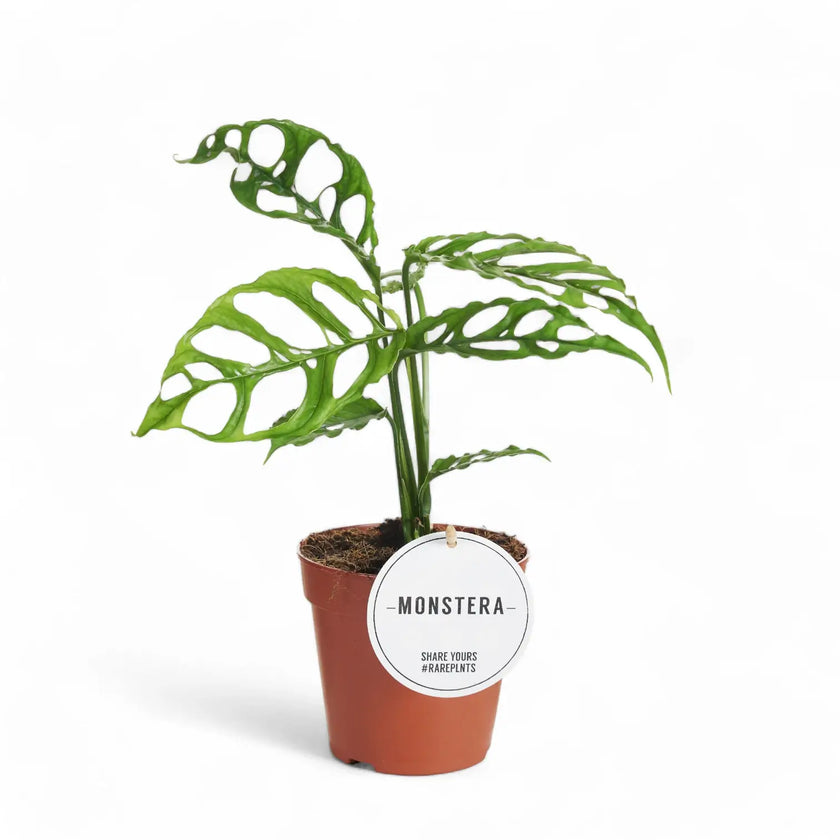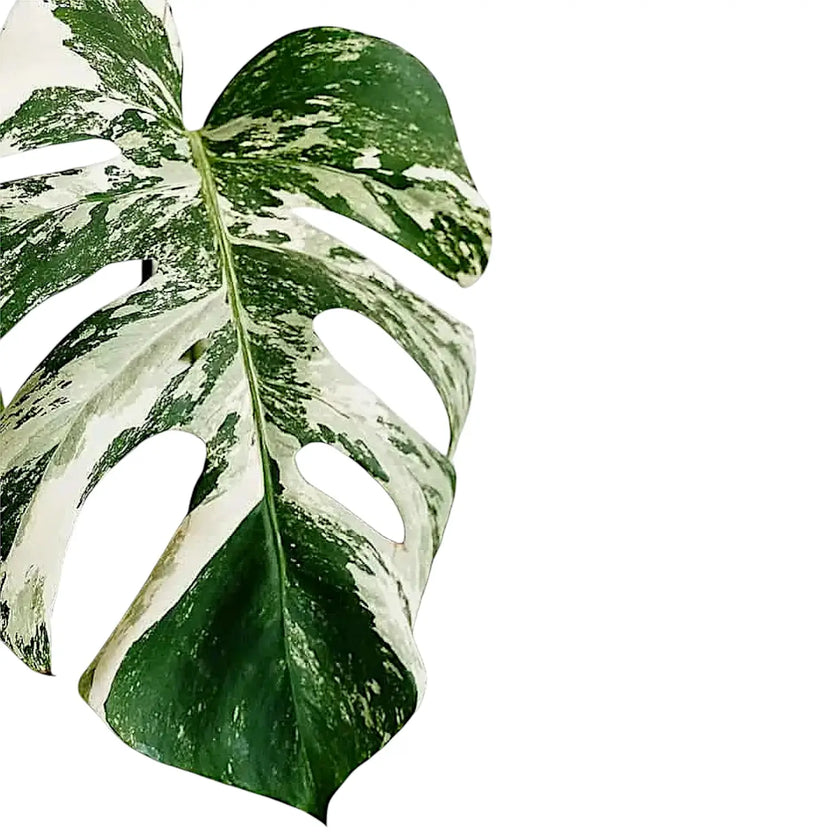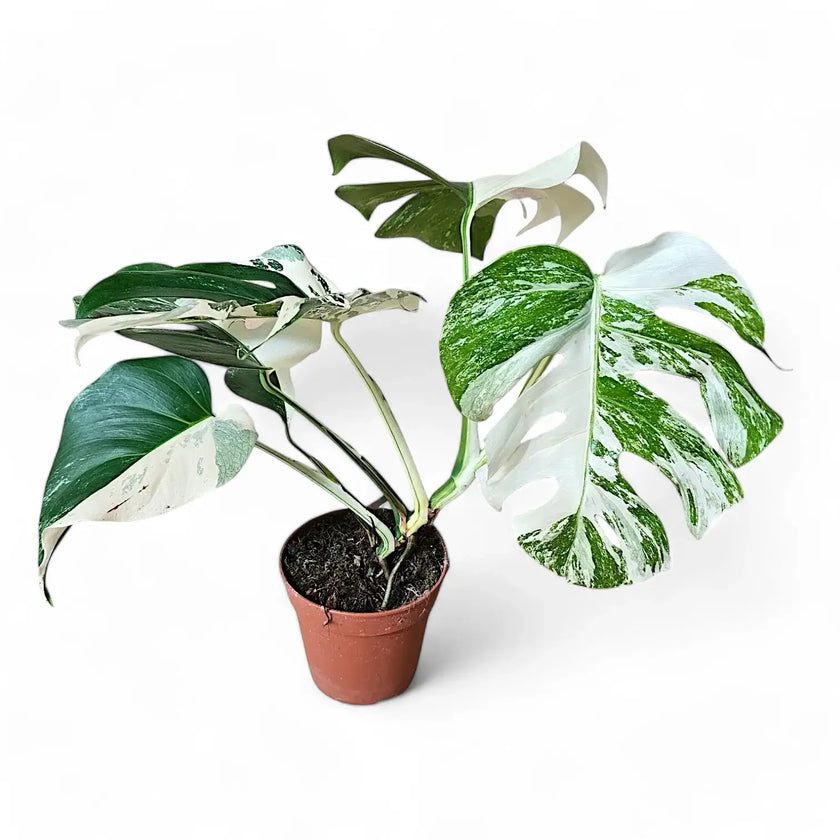
Rare Plants
Rare plants are houseplants that turn up less often because they are slower to produce, offered in smaller runs or only available when a particular batch lands. Rarity here says more about supply than difficulty, so care can range from straightforward to demanding depending on the plant.
If you are looking for something less expected, this is where unusual species, forms and cultivars tend to show up first. Check the light, growth habit and care pattern rather than assuming every rare plant needs specialist treatment.

About Our Filters
Filters help you narrow things down fast and without guessing. We put a lot of time and effort into keeping filter values consistent across the shop by cross-checking references and validating them against real-world indoor growing and handling.
Use them as guidance, not guarantees. Homes vary a lot, so for the full context (and any exceptions), open the product page and read the description.
How filtering works
- Filters stack: each selection narrows results.
- Multiple picks in one filter are usually either/or within that filter.
- Undo anytime: click a selected option again (or clear filters).
Safety
- Non-toxic: not known for relevant chemical toxicity for common pets (chewing can still cause irritation).
- Non-toxic & Pet Friendly: stricter shortlist that also avoids many physical hazards like spines, sharp tips, thorns, and bristles.
Common care filters
- Light level: Low indirect → Full sun/direct.
- Water Needs: Low / Medium / High.
- Humidity Level: Normal (40–50%) / Moist (50–60%) / Humid (60–80%+).
Growth & size
- Growth Habit: climbing, trailing, crawling, upright, self-heading, clumping, rosette.
- Needs support? none / optional / needed.
- Delivered size: pot size + plant height at shipping.
- Max size indoors: realistic long-term height + spread indoors.
Looks & botanical browsing
- Leaf Shape & Size + Foliage Colour: quick visual categories.
- Plant Type / Genus / Family: browse by broad group or taxonomy.
If you want to see the references we use, Plant Care Resources is simply a curated list of source links (POWO, Kew, and more).
Sort by
Filters
Rare Plants
Quick Overview
Rare plants, how this collection works
- Definition here: plants that are hard to find in regular retail, produced in smaller runs or in strong demand-not a conservation badge.
- Availability: many appear as single batches; once a run sells out, the next one can take time or never happen.
- Care band: spans from surprisingly tolerant to distinctly fussy-always lean on the individual product page, not the label “rare”.
- Placement: best in spots you can actually monitor and adjust, not in corners you barely glance at.
- Origin: stock comes from cultivation, not wild collection-you are buying nursery-grown plants, not material taken from habitat.
Details & Care
Rare Plants: limited-batch houseplants for collectors
What “rare” means here
Rare here does not mean “almost extinct”. It means species, forms and cultivars that are harder to source, slower to propagate or only available in small, irregular batches. You are unlikely to see these in generic garden centres or stacked by the trolley in supermarkets.
Availability shifts with propagation cycles, import windows and particular nurseries. Batches can differ in size, pattern and maturity, and some items may not return once a run is gone, even if photos stay in circulation online.
Why plants land in the Rare Plants section
Common reasons for a plant to sit here:
- Slow or technical propagation: species that root, divide or grow on slowly, so numbers build up over months instead of by the hundred.
- Limited-production forms: named cultivars, variegated lines or unusual clones produced in small volumes and often pre-sold quickly.
- Special batches and imports: shipments from particular people or regions that are not on a constant, repeatable schedule.
- Grown-on specimens: plants held longer at the nursery to reach a larger or more mature form, which naturally limits how many exist at a given time.
Buying rare plants with a clear sense of what can vary
Rare plants are not automatically hard to grow, but they do reward preparation and honest self-assessment:
- Pricing and variation: higher prices reflect limited supply, and individual plants can differ in size or pattern even within one listing.
- Less room for experiments: these are poor candidates for guessing games with light or watering-stable, suitable conditions from day one matter more than with cheap, common stock.
- Restock reality: if something goes wrong, replacements are not guaranteed quickly because production and import cycles are slower and quantities are smaller.
Come here when you want something less usual and you are happy choosing deliberately, not just chasing rarity as a label or status signal. Rare Plants is strongest once your home’s light and routine are already settled and a few standard plants are thriving, because limited supply gives you less room for careless experiments, rushed acclimation or guesswork with placement. If you are still sorting out basics, the Easy-Care and light-based collections make a better starting point; Rethink Houseplant Care goes deeper into that shift in mindset and why it usually saves money and frustration.
Back to top and choose the rarer plants that truly fit your light, your space and the level of care you want to give ↑
Limited discounts, extras, and bundle deals for subscribers.
Get points with every order to redeem them for discounts.
Give your friends 10 € off and get 200 Foliage Points.
Use your 10% code on plants when you're ready to order.