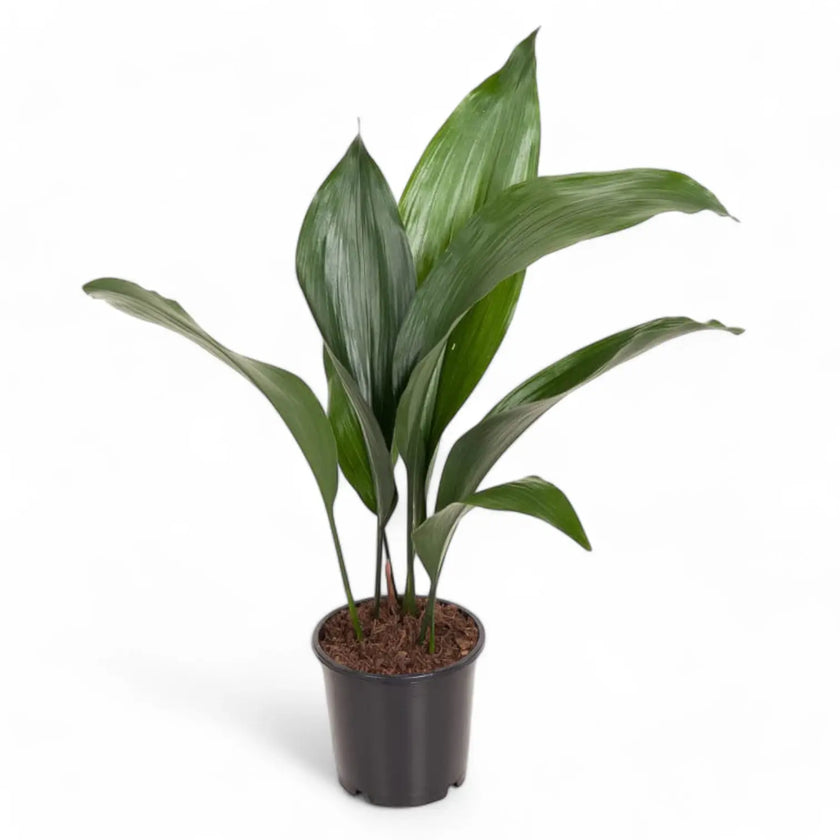
Pet-Friendly Houseplants
Pet-Friendly Houseplants is the stricter shortlist for homes where cats and dogs share space with your plants. It focuses on houseplants chosen to lower toxicity concerns while also screening out many of the more obvious physical hazards, so the selection avoids the main trouble spots like spines, scratchy bristles and noticeably sharp points. Please remember that sensible placement still matters, and chewing is never something to encourage.

About Our Filters
Filters help you narrow things down fast and without guessing. We put a lot of time and effort into keeping filter values consistent across the shop by cross-checking references and validating them against real-world indoor growing and handling.
Use them as guidance, not guarantees. Homes vary a lot, so for the full context (and any exceptions), open the product page and read the description.
How filtering works
- Filters stack: each selection narrows results.
- Multiple picks in one filter are usually either/or within that filter.
- Undo anytime: click a selected option again (or clear filters).
Safety
- Non-toxic: not known for relevant chemical toxicity for common pets (chewing can still cause irritation).
- Non-toxic & Pet Friendly: stricter shortlist that also avoids many physical hazards like spines, sharp tips, thorns, and bristles.
Common care filters
- Light level: Low indirect → Full sun/direct.
- Water Needs: Low / Medium / High.
- Humidity Level: Normal (40–50%) / Moist (50–60%) / Humid (60–80%+).
Growth & size
- Growth Habit: climbing, trailing, crawling, upright, self-heading, clumping, rosette.
- Needs support? none / optional / needed.
- Delivered size: pot size + plant height at shipping.
- Max size indoors: realistic long-term height + spread indoors.
Looks & botanical browsing
- Leaf Shape & Size + Foliage Colour: quick visual categories.
- Plant Type / Genus / Family: browse by broad group or taxonomy.
If you want to see the references we use, Plant Care Resources is simply a curated list of source links (POWO, Kew, and more).
Sort by
Filters
Pet-Friendly Houseplants
Quick Overview
Non-toxic & Pet Friendly, what this filter actually means
- Toxicity: selected for non-toxic status for cats and dogs.
- Physical safety: excludes spines, sharp bristles, rigid needle-like tips and scratchy hazards.
- Best for: homes with cats that swat, dogs that bump into pots and general pet chaos.
- What still matters: supervision, placement and keeping soil or toppers out of reach.
- How to shop: combine this with light and watering filters so pet-safe also fits your conditions.
- Reality check: this reduces risk; it does not replace common sense or veterinary advice.
Details & Care
Pet-friendly Houseplants: lower-risk indoor plants for homes with animals
Pet-friendly houseplants in this category are widely described as non-toxic or lower-risk for cats and dogs under typical conditions. They are still ornamental plants, not food, and a determined animal that eats a lot of material can still end up with mild stomach upset.
The most useful way to use this filter is to start from the places your animals actually claim-sofas, low shelves, window ledges and favourite sleeping spots. Choose from Pet-friendly first for those areas, then add light, size and care filters so plants still match your windows and routines. Higher-risk species can stay in the same home, but they belong out of reach or behind doors.
This category does not replace professional veterinary advice and cannot cover every animal species or individual sensitivity. It focuses on common cats and dogs; health conditions, medications and unique reactions all change the risk picture. If an animal eats part of any plant and looks unwell, the next step is always to speak to a vet, not to rely on a category label. For detailed lists, practical tips and emergency contacts, see Houseplants Safe for Cats Guide.
- Best suited to: homes with free-roaming cats or dogs where plants and animals share the same rooms.
- You should still: discourage chewing, clear fallen leaves and watch new plants closely for the first days.
- Double-check: individual product descriptions plus your own trusted vet or poison hotlines for edge cases.
- Do not assume: that any plant is edible, completely risk-free or safe in unlimited amounts for every animal.
- Avoid relying on this if: you keep more sensitive species (such as certain birds or exotics) without separate guidance.
Use the Pet-friendly filter for the spots your animals actually use, then narrow by light and plant size so plants and pets can share rooms with fewer risks and fewer surprises.
Frequently Asked Questions About Non Toxic Houseplants
What is the difference between Pet Friendly Houseplants and Non-Toxic Houseplants?
Non-Toxic Houseplants is the broader safety-led collection, while Pet Friendly Houseplants is the narrower shortlist for homes that want an extra-cautious filter. Neither label means chew-safe or pet-proof, and even plants listed as non-toxic can still cause vomiting or stomach upset if a pet eats plant material.
Are non-toxic houseplants actually safe for cats and dogs?
They are lower-risk, not risk-free. In ASPCA terms, “non-toxic” means a plant is not expected to cause poisoning, but eating plant material can still trigger vomiting or gastrointestinal upset. Treat the label as a way to reduce risk, not as permission to let pets chew the plant.
Which collection should I choose if my pet chews plants or gets into everything?
Start with Pet Friendly Houseplants. If your pet regularly chews, paws at, or knocks into plants, the narrower shortlist is the better starting point. Choose Non-Toxic Houseplants when your main goal is avoiding known poisonous plants but you still want a broader range of plant types.
How can I check whether a specific houseplant is safe for cats and dogs?
Check the exact botanical name against a reliable database such as ASPCA, not just the common name. Common names are messy, and plants sold under similar labels can carry very different risks. Lilies are the clearest example: true lilies are an emergency for cats, while plants sold as peace lilies are different plants with different toxins.
Which common houseplants are most worth avoiding in pet homes?
True lilies and daylily types are near the top of the avoid list for cat homes because they can cause acute kidney failure. Sago palm is another major avoid because it can cause severe liver damage. Many common indoor aroids, including Monstera, Philodendron, pothos, peace lily, and Alocasia, also cause painful oral irritation and vomiting if chewed, and Aloe vera is toxic to cats and dogs as well.
Limited discounts, extras, and bundle deals for subscribers.
Get points with every order to redeem them for discounts.
Give your friends 10 € off and get 200 Foliage Points.
Use your 10% code on plants when you're ready to order.