Spathiphyllum: peace lilies for forgiving, low-light corners
Spathiphyllum: elegant “peace lilies” for shaded spaces
Spathiphyllum is a compact aroid genus of around 50-70 species, native from Mexico and Central America through northern South America and parts of Malesia to the western Pacific. In the wild, these plants grow as herbaceous perennials on the shaded floors of humid forests and along riverbanks, where their dark, glossy leaves and white spathes stand out against the undergrowth.
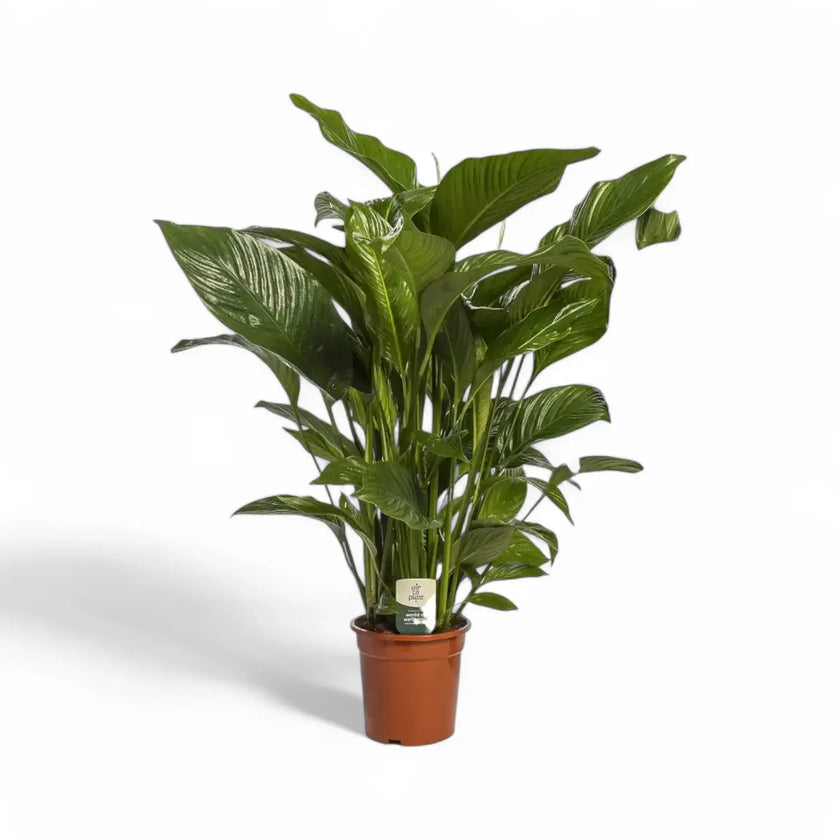
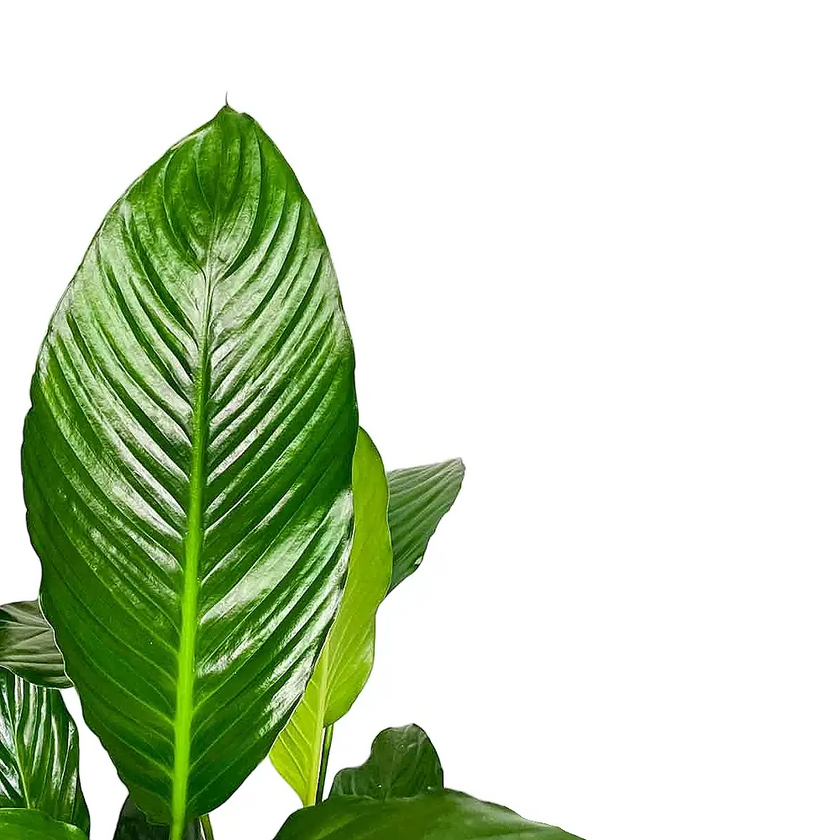
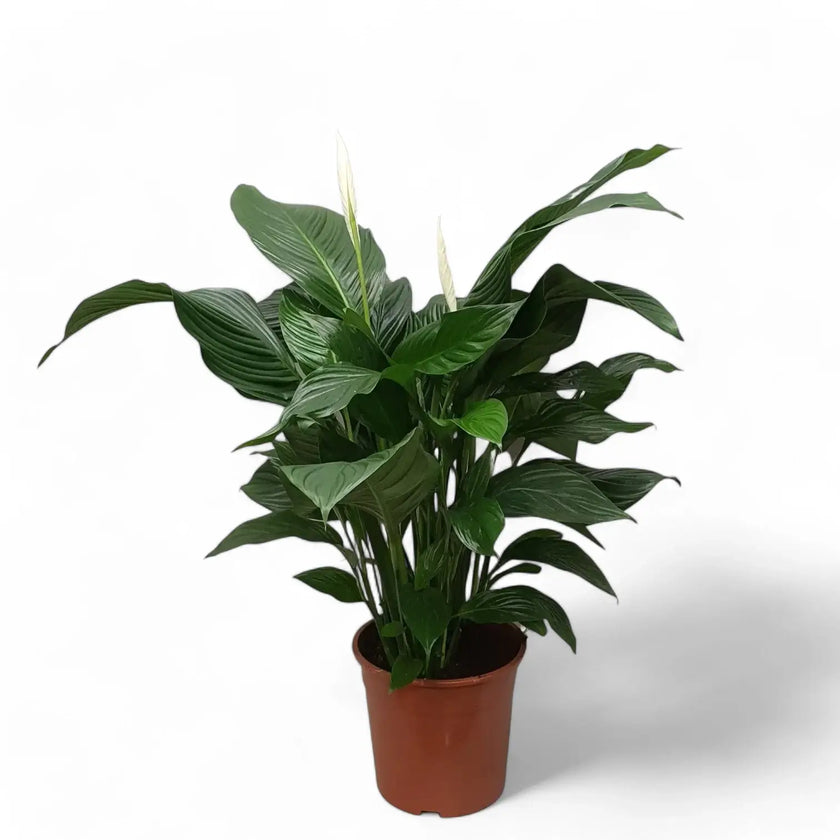
In cultivation, Spathiphyllum is best known as the “peace lily” - although it is not a true lily at all, but a member of the Araceae, the same family as Philodendron and Monstera. Its long, arching leaves and clean white spathes (often mistaken for flowers, but actually modified leaves surrounding a central spadix) give a calm, architectural look that sits comfortably in many indoor plantings.
Is Spathiphyllum a good fit for your space?
- Spathiphyllum suits you if: you have a bright but not sun-scorched spot, are happy to water regularly without overdoing it, and like a plant that clearly signals when it needs a drink by gently drooping its leaves.
- Less ideal when: your home is very dark or very dry, or if you tend to water heavily and leave pots standing in water. Spathiphyllum tolerates short dry spells but dislikes long-term drought just as much as constantly soggy compost.
- Good to know: most “peace lilies” sold are hybrids of Spathiphyllum wallisii and related species. They are grown for foliage and spathes, not scent, and will flower more freely in steady warmth and good light than in cool, gloomy corners. They are also often advertised as “air-purifying”; if you want the science behind that claim, see our pieces on air-purifying houseplant myths and broader houseplant-care myths.
Spathiphyllum in the wild-forest floors and riverbanks
In its native range, Spathiphyllum grows in humid lowland forests, often in deep to dappled shade. Plants root into leaf litter and fine, organic soils in river valleys and on periodically wet slopes, where water is abundant but rarely stagnant. They often form loose colonies along streams, benefitting from high humidity and gentle air movement under the canopy.
Understanding this background helps indoors: peace lilies are built for filtered light, consistent moisture and warm, humid air, not for hot, direct sun or a dry, draughty windowsill. They will tolerate less-than-ideal conditions for a time, but grow and flower best when their forest-floor origins are respected.
Spathiphyllum light, warmth and humidity
Spathiphyllum prefers low to medium light and is more tolerant of shade than many flowering houseplants. A position a short distance from an east- or north-facing window, or back from brighter aspects behind a sheer curtain, will usually keep the leaves rich green and the spathes white. Very deep shade is survivable, but it often suppresses flowering and leads to sparse, stretched growth. For a realistic sense of “bright but soft” positions at home, compare your room with our bright-indirect light guide and the scenarios in our low-light explainer.
These are warm-growing plants. Most peace lilies are happiest between about 18 and 27 °C and do not like cold draughts or nights much below 15 °C. Average indoor humidity is usually adequate, but foliage will look fresher and less prone to brown tips if you can maintain moderate humidity. Grouping plants together or placing Spathiphyllum away from radiators and hot, dry air flows is more effective than an occasional misting; for realistic targets and options, see our humidity guide for houseplants.
Spathiphyllum water and substrate
Spathiphyllum has a fibrous, shallow root system adapted to evenly moist but well-aerated forest soils. In pots, it resents both extremes: letting the compost dry to dust causes leaves to collapse, while standing in waterlogged mix encourages root rot. A plant that has wilted from thirst will often perk up within a few hours of thorough watering, but frequent severe wilting weakens the plant over time.
Use a standard, peat-free houseplant mix with added structure-for example, blend in fine bark or pumice so water can drain freely. Water when the top 2-3 cm of compost feel dry to the touch and the pot feels lighter. Pour water slowly over the surface until it runs from the drainage holes, then empty any saucer so the roots are not sitting in collected water. If the compost stays wet for many days or starts to smell sour, tip the plant out, trim any brown or mushy roots and repot into fresh, loose mix; our watering guide for houseplants and root-rot guide cover this process in more detail.
Spathiphyllum growth, flowering and feeding
Spathiphyllum grows from short rhizomes, producing new leaves and flower stems from the crown. In good conditions, plants form dense clumps 30-80 cm tall, with fresh leaves emerging from the centre as older ones age and yellow. The white spathes are not permanent; each one surrounds a central spadix of tiny flowers, then gradually turns green and fades. Cut the spent flower stalks down at the base to keep the plant tidy and to direct energy into new growth.
These aroids are moderate feeders. During active growth and flowering, an occasional balanced liquid fertiliser at half strength is usually enough. Over-feeding, especially in low light or cool conditions, can lead to salt build-up in the compost and cause brown tips on the leaves, so it is better to feed lightly and regularly than to give strong doses. Spathiphyllum will often flower less freely if kept in a very large pot with too much fresh compost; slightly root-bound plants in modest containers tend to bloom more reliably.
Spathiphyllum safety and toxicity
Like many aroids, Spathiphyllum contains insoluble calcium oxalate crystals in its leaves and stems. If chewed, these needle-like crystals can irritate the mouth and throat, causing burning, drooling and sometimes mild swelling or vomiting in pets and children. Serious complications are rare, but discomfort can be significant.
For safety, treat peace lilies as decorative plants rather than edible ones. Keep them out of reach of children and pets that chew foliage, and dispose of pruned material rather than leaving it on the soil surface. When handling or dividing plants, it’s sensible to wash your hands afterwards and avoid touching your eyes.
What you may notice when Spathiphyllum arrives at home
Transport and changes in environment can leave Spathiphyllum looking a little unsettled at first. It is common to see a few yellowing lower leaves or a drooping flower stalk after a journey. The foliage may also look slightly limp or have minor creases from packing.
After unboxing, remove any loose or badly damaged leaves and place the plant straight into its chosen bright, shaded position. Check the compost a few centimetres down, if it feels dry, water thoroughly and allow the excess to drain; if it is still evenly moist, wait a few days before watering. Avoid repotting immediately unless the root ball is clearly compacted or waterlogged. Over the next couple of weeks, new leaves and firm, upright growth are the best sign that your peace lily is settling in. For more on helping new plants adjust, see our houseplant acclimatisation guide.
Spathiphyllum troubleshooting-quick diagnostics
- Whole plant wilting but recovers after watering: the compost has been allowed to dry too far. Water more promptly when the top of the mix is dry to avoid repeated severe wilting, which stresses the plant.
- Yellowing lower leaves on a consistently wet plant: likely a sign of overwatering and low oxygen around the roots. Allow the compost to dry slightly before watering, and consider refreshing the mix if it has become compacted or sour; follow the steps in our root-rot guide if roots are soft and dark.
- Brown tips or edges on leaves: often due to low humidity, irregular watering or build-up of salts from hard tap water or strong fertiliser. Improve humidity around the plant, keep watering more even and, if possible, use rainwater or filtered water. For more nuance on this, see our brown-leaf-tips troubleshooting guide.
- No flowers for many months: usually linked to low light, cool temperatures or very recent repotting. Move the plant to a brighter, warm but shaded spot and resume light feeding during the growing season; our light and daylength myths article explains why “short days” are not the whole story.
- Spots, sticky residue or distorted new growth: may indicate pests such as spider mites, aphids or scale. Inspect both sides of the leaves, rinse the plant if needed and start a suitable treatment regime promptly; our pest guides under the pest-control tag offer options.
Back to top and choose the Spathiphyllum that suits your light, your moisture habits and the size you want in the room ↑