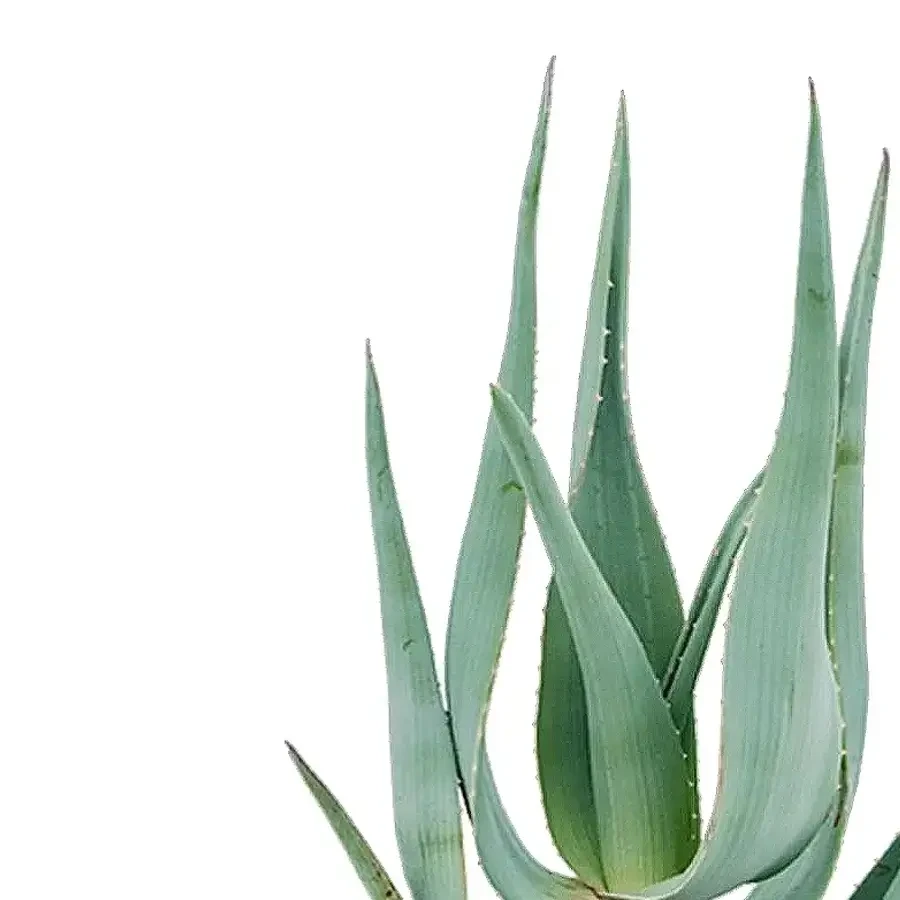
Aloe indoors-sculptural rosettes, light & long-term care
Why Aloe earns a place in bright rooms
Aloe brings that clean, architectural look many collections are missing: tight rosettes, thick leaves and a silhouette you can read from across the room. In strong light, plants stay compact and upright; in weaker spots they sprawl and lose definition. That direct feedback makes Aloe an honest benchmark for how bright your windows really are.
Most Aloe species and hybrids stay manageable in pots. Some form tight clumps through offsets; others build a single well-defined rosette for years. You can drop one sculptural specimen into a simple pot for a minimal look, or build a small group of related plants without filling an entire shelf with soil.
From arid slopes to a sunny sill-what Aloe usually needs
Aloe is native mainly to arid and semi-arid regions of Africa and the Arabian Peninsula. Wild plants grow on rocky hillsides, stony plains and open scrub in free-draining, mineral soils that see irregular rain, fierce sun and moving air. Roots sit in lean, stony ground that drains quickly; thick leaves deal with the gaps between downpours.
Indoors that background translates into three non-negotiables: strong light, a gritty substrate and watering that alternates between a deep soak and a clear dry-down. Keeping Aloe in a peat-heavy, constantly damp mix is exactly the opposite of what it evolved for.
Light levels that keep Aloe compact and coloured
Aloe can use far more light than most foliage plants. Aim for a very bright position with several hours of direct sun: right at a south- or west-facing window, or in a bright winter garden under glass. In that band, rosettes stay low and tight, leaves remain thick and many cultivars develop richer colour along margins or on the leaf surface.
In lower light, leaves stretch and lean, internodes open up and rosettes lose symmetry. At the other extreme, moving a shade-grown Aloe straight into intense midday sun behind glass usually ends with sunburn: pale, papery or brown patches on the sun-facing side. Increase exposure stepwise and, if needed, use our article on window orientations for houseplants to judge which sill really offers suitable light.
Watering Aloe and building a suitable substrate
Think “deep drink, then a proper rest”. Water Aloe only once the upper two thirds of the substrate are dry and the pot feels clearly lighter than after the last soak. When you do water, run enough through the mix that the entire root ball is saturated and water drains from the holes, then discard anything left in the saucer.
Short dry gaps are normal. Problems come from extremes: being ignored for months in strong light eventually gives shrivelled, thin leaves, but constant “sips” into cool, already-damp mix are worse because they keep fine roots in an oxygen-poor, stressed state and set up crown or root rot.
Substrate should feel closer to stony ground than standard houseplant soil. Start with a modest amount of good potting mix or cactus compost and cut it with a high proportion of mineral material: pumice, lava rock, coarse sand, fine gravel or perlite. The goal is a structure that anchors roots, lets water rush through and leaves plenty of air spaces. For more on keeping this balance right over time, see our guide on drainage vs. aeration in houseplant substrates.
Temperature, air and how Aloe handles a living room
Most Aloe used as houseplants grow happily at standard indoor temperatures around 18-27 °C. Brief dips a little below that are usually fine if the mix is dry, but long spells under roughly 10 °C in wet substrate push plants towards rot. Cold window ledges in winter are a classic hidden stress point-pots sit colder than the room thermostat suggests.
Dry air is not a problem. These succulents are built for low humidity and do best when you focus on light, substrate and watering rather than misting. What really matters is avoiding cold, still, damp air around a wet crown. Gentle background airflow helps leaves and the surface of the mix dry between waterings; cold draughts straight from tilted winter windows do the opposite.
Growth, offsets and feeding Aloe over the years
Aloe generally grows as a rosette from a central growing point. Many stay compact; some gradually lift on short stems or form clumps via offsets. Growth tends to arrive in bursts when warmth, light and moisture line up. In cooler seasons or low light, plants can sit almost unchanged for weeks without anything being “wrong”.
Offsets can be left for a fuller clump or removed and rooted separately once they carry their own roots. Maintenance pruning is limited to removing very old, dry lower leaves; cutting into a healthy rosette or stem leaves permanent scars and should be avoided unless rot or damage forces it.
Fertiliser needs are modest. During active growth with clear new leaves, a diluted succulent or balanced fertiliser now and then-always onto already moist mix-is enough. Strong, frequent feeding in a rich substrate is more likely to produce soft, vulnerable growth than anything useful.
Toxicity and safe handling of Aloe indoors
Many Aloe species contain compounds in their sap that can irritate the digestive system of pets and people if leaves are chewed or swallowed. Commercial Aloe products are processed specifically for use; the raw gel and latex from a decorative houseplant are not the same thing. Treat Aloe as not for consumption and keep pots away from animals and children that like to chew foliage.
Cut leaves release sap that can irritate sensitive skin and eyes. When trimming or dividing plants, use clean tools, avoid touching your face and rinse off any sap with water and mild soap.
What normally happens to Aloe after shipping
After several days in a box, Aloe often pauses visible growth while roots adjust to new light and watering. Lower or older leaves may show superficial scars, bent tips or faint wrinkling from pressure-these marks are cosmetic and stay limited to existing foliage.
Once unpacked, move the plant straight into its intended bright position, check how dry the root ball is and water only if the mix has clearly dried during transit. Avoid immediate repotting unless substrate is obviously unsuitable or broken down. Slight temporary softness in leaves typically resolves as watering and room temperature stabilise. For a broader overview of how new plants settle in, our houseplant acclimatisation guide walks through typical phases.
Troubleshooting Aloe: reading rosette signals
- Rosette leaning, leaves long and floppy: light is insufficient. Move Aloe closer to a strong window or under better grow lights, increasing exposure gradually.
- Lower leaves yellow and turn mushy in cool, heavy mix: roots are sitting wet and short on air. Check drainage holes, remove rotten tissue and move to a much grittier mix.
- Leaves wrinkled and thin despite good light: either the plant has been dry for too long or roots are compromised. Check the root ball; soak once to re-wet dry mix and monitor how fast it dries.
- Brown, papery patches on sun-facing surfaces: sunburn from a sudden jump into intense light. Step back from the glass or provide light shading, then acclimate more slowly next time.
- Crown soft or collapsing: advanced rot, usually from cold, wet conditions. Unpot, cut away all mushy tissue and only re-root firm sections in a fresh, mineral-rich mix.
Back to top