

Musa (Bananas)
Musa changes a room very quickly. Broad leaves, upright growth and fast seasonal movement give it a scale that reads more like interior architecture than a background plant, especially once the stems have enough height to carry that shape properly.
It has the biggest impact when you have real light, steady warmth and the floor space to let it open without compromise. In the right spot, Musa brings an indoor tree feel with softer leaf movement than most woody plants can give.

About Our Filters
Filters help you narrow things down fast and without guessing. We put a lot of time and effort into keeping filter values consistent across the shop by cross-checking references and validating them against real-world indoor growing and handling.
Use them as guidance, not guarantees. Homes vary a lot, so for the full context (and any exceptions), open the product page and read the description.
How filtering works
- Filters stack: each selection narrows results.
- Multiple picks in one filter are usually either/or within that filter.
- Undo anytime: click a selected option again (or clear filters).
Safety
- Non-toxic: not known for relevant chemical toxicity for common pets (chewing can still cause irritation).
- Non-toxic & Pet Friendly: stricter shortlist that also avoids many physical hazards like spines, sharp tips, thorns, and bristles.
Common care filters
- Light level: Low indirect → Full sun/direct.
- Water Needs: Low / Medium / High.
- Humidity Level: Normal (40–50%) / Moist (50–60%) / Humid (60–80%+).
Growth & size
- Growth Habit: climbing, trailing, crawling, upright, self-heading, clumping, rosette.
- Needs support? none / optional / needed.
- Delivered size: pot size + plant height at shipping.
- Max size indoors: realistic long-term height + spread indoors.
Looks & botanical browsing
- Leaf Shape & Size + Foliage Colour: quick visual categories.
- Plant Type / Genus / Family: browse by broad group or taxonomy.
If you want to see the references we use, Plant Care Resources is simply a curated list of source links (POWO, Kew, and more).
Sort by
Filters
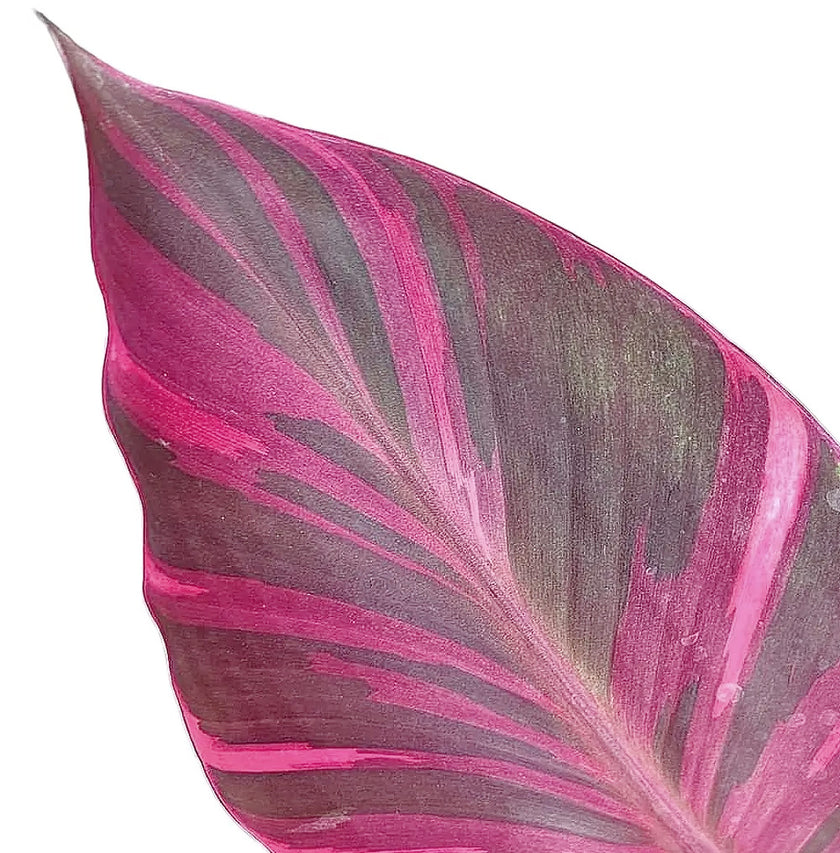
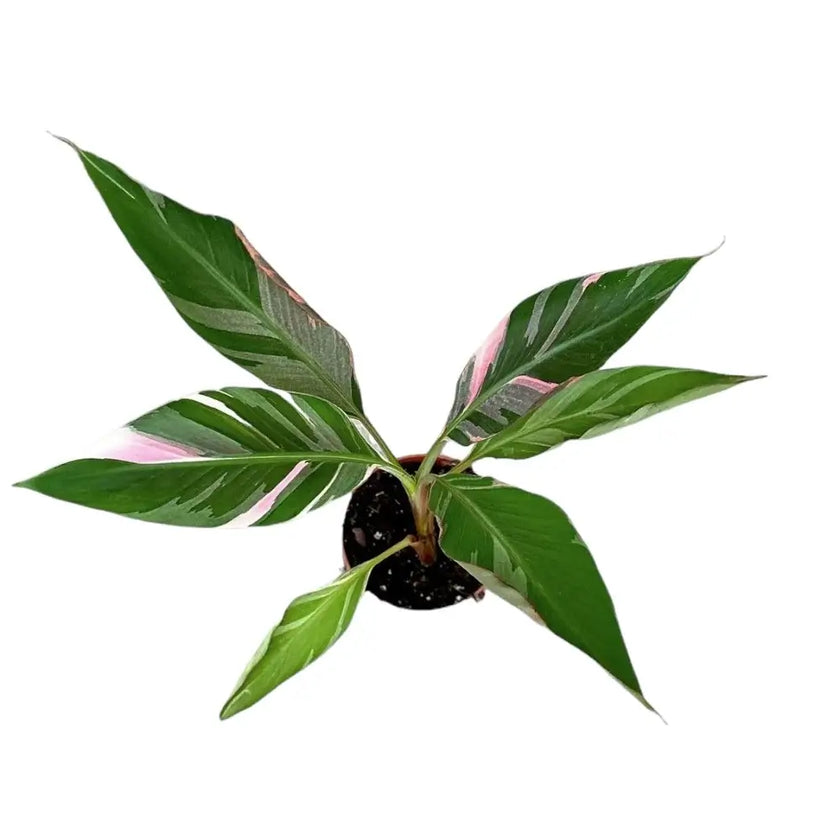
Musa 'Nono' aka 'Hot Pink Banana'
Sold out


Musa 'Siam Ruby'
Sold out


Musa acuminata 'Cheeka'
Regular price
€6,50


Musa acuminata 'Dwarf Cavendish'
Regular price
From €17,50


Musa basjoo
Regular price
€28,00


Musa × paradisiaca 'Ae Ae'
Regular price
From €58,25
Musaceae
Musa (Bananas)
Quick Overview
Musa (banana) - big-leaf indoor project
- Role: fast-growing, large-leaf plant that can turn a bright corner into a tropical focal point on its own.
- Light: needs very bright light with a few hours of mild direct sun; poor light makes stems weak and leaves small.
- Watering: heavy drinker in warm rooms-keep mix evenly moist, never bone dry, but do not leave roots in standing water.
- Substrate: prefers rich but free-draining mix; large volumes of compact, wet compost can choke roots.
- Climate: happiest around 20-26 °C with some humidity; cold draughts and dry air quickly mark and tear leaves.
- Reality check: older leaves will shred and be removed over time-judge success by the size and health of new leaves from the centre.
Botanical Profile
Musa: botanical profile for bananas and plantains
Musa is a genus of gigantic herbaceous monocots in Musaceae, described by Linnaeus in 1753. These are the bananas and plantains of tropical agriculture, together with fibre plants such as Musa textilis (abacá). Depending on the treatment, roughly 60-80 wild species are recognised, forming two main cytological groups that underlie the diversity of edible and ornamental bananas.
- Order: Zingiberales
- Family: Musaceae
- Tribe: Musae
- Genus: Musa L.
- Type species: Musa paradisiaca L. (cultivated hybrid complex historically treated as a species)
- Chromosomes: Basic numbers x ≈ 7, 9, 10 and 11; wild species chiefly 2n = 14, 18, 20 or 22, with extensive polyploidy in cultivars.
Range & habitat: Musa is native to the Indomalayan realm and adjacent parts of north-eastern Australasia, from India, southern China and Indochina through Malesia to New Guinea and northern Australia. Species occur in lowland to lower montane rainforests, river valleys, landslides and forest edges, typically on deep, fertile, well-drained but moisture-retentive soils in warm, frost-free climates.
- Life form: Robust, rhizomatous perennial herbs with massive underground corms that produce successive pseudostems; individual pseudostems are monocarpic but the clump is long-lived.
- Leaf attachment: Huge leaves with sheathing bases form the pseudostem; each leaf has a long petiole and an oblong to elliptic blade that can exceed 2 m in length.
- Leaf size: Blades in many species reach 150-300 cm long and 30-60 cm wide; the largest species, such as Musa ingens, can exceed these values markedly in situ.
- Texture & colour: Thin but tough, bright to mid-green laminae with prominent parallel pinnate venation; many ornamental taxa show reddish or purplish pigments or mottling in juvenile foliage.
- Notable adaptation: Pseudostems composed of overlapping leaf sheaths allow rapid height gain without true woody tissue, while large leaves and clonal growth make Musa efficient at occupying disturbed, high-light gaps.
Inflorescence & fruit: A single terminal inflorescence emerges from each mature pseudostem, with large coloured bracts shielding hands of flowers along a pendulous or sometimes erect axis. Female flowers low on the spike mature into clusters of berries that appear as hands of bananas; seeds are numerous and stony in wild species but largely absent in parthenocarpic edible clones.
Details & Care
Musa: bold “banana” foliage, fast feedback and indoor care
Musa indoors-what fast-growing “banana plants” add
Musa is about big gestures and quick feedback. Even compact indoor forms throw new leaves in fast succession when light, water and nutrients are right, so the silhouette can change noticeably from one month to the next. Older leaves fray or age away, fresh blades unroll from the centre and new offsets push up around the base, which keeps the clump in constant slow motion rather than frozen in place. If you enjoy plants that visibly respond to what you do, Musa belongs beside other strong, fast-moving plants in our fast-growing houseplants list.
That energy suits people who like to see what their care is doing. Shift the plant, change how deeply you water or tweak fertiliser, and you usually see the result in leaf size, stance and pseudostem thickness within a few weeks instead of waiting for an entire season.
Where Musa thrives-and when it becomes a chore
- Thrives when: you have a very bright window, can commit to generous but controlled watering and feeding, and are happy to give one plant a decent amount of space.
- Be cautious if: your rooms stay cool or fairly dim, radiators dry the air for long stretches, or you prefer low-maintenance plants that cope with occasional light watering and little attention.
- Reality check: Musa foliage is short-lived by design. Even in good care you will remove older leaves as new ones take over; regular leaf loss on the lowest leaves is normal, not automatically a crisis. This kind of turnover is one of the patterns we discuss in our dormancy and rest-phase guide.
Tropical slope origins-how Musa behaves in nature
Wild Musa species come mostly from humid tropical regions of Asia and nearby areas. In nature they grow in open or lightly shaded sites with intense light, warm air and shallow, fast-draining but organic-rich soils. What looks like a trunk is really a pseudostem made from tightly wrapped leaf bases rising from a short true stem below the surface.
Once you put that plant in a pot, its priorities are clear: as much light as you can sensibly give it, a lean but moisture-retentive mix that never turns into a bog, and consistently warm temperatures. If any of those pieces is missing for long, the response shows up as thinner pseudostems, shorter leaves and quicker turnover of older foliage. The same logic about substrate and root health appears in our broader houseplant substrate guide.
High-light needs-keeping Musa solid instead of floppy
Indoors, Musa belongs firmly in the high-light camp. Most cultivars do best right beside a strong south- or west-facing window where they receive many hours of bright light and a few hours of gentle to moderate direct sun. In positions like that, petioles stay relatively compact, pseudostems stand upright and leaves can reach their full size. For other sun-lovers that share this preference, see our full-sun houseplants guide.
In softer light, plants lean towards the glass, blades narrow and each new leaf tends to emerge smaller than the last. Growth continues, but it lacks substance. At the other end of the scale, moving Musa straight into fierce midday sun can produce bleached, papery patches on the sun-facing side. If you want to harden a plant off for more sun, do it gradually and use the aspect tips in our window-orientation guide as a reference for what “bright enough” actually looks like.
Water, substrate and maintaining Musa roots
Musa shunts a lot of water through those big blades, especially in heat and strong light. A practical routine is to water thoroughly once the top 3-4 cm of mix are dry and the pot feels noticeably lighter in the hand, then let all excess run out. If you wait until the whole root ball is brick-dry and leave it that way, leaves collapse, edges roll and new growth stalls. If you keep the mix wet and airless, roots rot and the pot develops a sour smell. The “deep soak, then allow a partial dry-down” logic in our watering guide applies directly here.
An effective Musa mix is both lean and open. Use a good quality peat-free potting substrate or coco-based mix as the foundation, then cut it with plenty of structure in the form of pumice, coarse perlite, bark chips and/or fine gravel. The finer particles hold moisture and nutrients; the coarse fraction keeps big pores open so air can move freely around the roots even just after watering. For more detail on how to build and adjust these blends, see our indoor substrate guide and the companion piece on drainage vs aeration.
Musa climate-warmth, humidity and airflow
Musa is at home in warm indoor temperatures of roughly 18-27 °C. Short dips outside that range are rarely fatal on their own, but repeated nights down around 15 °C or below, especially when the mix is wet, slow the roots and often show up later as dull, greyish or dark blotches on the leaves. Cold draughts across a wet pot are particularly hard on the plant, so avoid positions right by leaky windows or doors that open frequently in winter. The practical tips in our winter care guide apply directly here.
Broad Musa leaves dislike bone-dry air. While you do not need to chase greenhouse humidity, a relative humidity that spends a lot of time in the low 30 % range will accelerate tip burn and edge damage, especially under strong light. Aim for moderately moist room air if you can, and pair that with gentle, general air movement. A soft, continuous flow of air helps leaves and soil surfaces dry after watering without chilling them and makes conditions less attractive for fungal diseases. For realistic targets and tools, check our humidity guide.
Clumps, offsets and feeding Musa
Musa grows from a short underground stem or corm that produces multiple shoots. Each shoot forms a pseudostem by stacking leaf bases; in very long-lived plants that pseudostem will eventually flower and then decline. In pots, you will usually be removing and replacing shoots long before that, but the rhythm is the same: new offsets appear around the base as older stems tire.
Routine care means cutting away whole damaged leaves close to the pseudostem rather than trimming random strips off the edges, and thinning out weak, crowded shoots so the strongest have space and light. During periods when new leaves are appearing regularly and the mix is drying faster, a little fertiliser goes a long way. A balanced feed at half strength every few waterings is usually plenty. If growth slows or the mix is staying wet for much longer than before, pull fertiliser back and fix light, temperature or substrate first-nutrients cannot compensate for poor basic conditions. For structure around feeding, see our beginner fertilising guide and our fertiliser overview.
Musa in households with kids and pets
Musa grown as an ornamental “banana plant” is generally considered non-toxic to people and most common pets, which makes placement easier in busy households. Swallowing large amounts of tough leaf or stem tissue can still upset a sensitive stomach, so it is sensible to discourage regular chewing and keep curious animals from using the plant as a toy.
The sap can bother very sensitive skin or eyes. When you prune or divide a clump, rinse off any juice that gets on your hands and avoid rubbing your face until you have washed. Knives and saws used to cut thick stems or roots should always be stored safely out of reach of children.
New Musa at home-first month priorities
Transport is tougher on Musa leaves than on its underground parts. The blades can crease, tear along the veins or arrive with a few scuffed or browned edges even when packing has been careful. A brief pause in growth and the loss of one or two of the oldest leaves are both common as the plant adjusts to different light, temperature and humidity.
After unpacking, brush away loose debris on the soil surface, stand the plant straight into the bright spot you have chosen and check moisture below the surface with a finger or wooden stick. If the mix is dry most of the way down, water deeply and let the pot drain fully; if it still feels evenly moist, wait before watering again. Leave repotting for later unless the substrate smells sour or you can see obvious rot. Over the next few weeks, watch how firmly the pseudostems hold themselves and what new leaves look like-that fresh growth tells you far more than old, travel-weary foliage. For a broader look at this phase across species, see our acclimatisation guide.
Musa troubleshooting-reading leaf damage and posture
- Brown, crisp edges on otherwise green leaves: usually a combination of strong light, dry air and deep, intermittent drought. Check how far the mix dries between waterings, raise humidity a little if you can and aim for thorough but less extreme watering cycles. For a deeper look at edge and tip problems, see our guide to brown leaf tips.
- Several older leaves yellowing at once: often a sign of root stress from constantly wet or compacted substrate rather than simple age. Slip the plant from its pot, trim away soft, brown roots, move Musa into a fresher, more open mix and reduce both frequency and volume of watering until firm new growth returns. The step-by-step in our root-rot guide is directly applicable.
- Pale, narrow new leaves and leaning pseudostems: indicate that light is inadequate or day length has dropped sharply. Move the plant closer to a very bright window or add suitable grow lighting so it receives many hours of strong light and can rebuild thicker, more self-supporting stems. The articles under our light tag help you calibrate this.
- The whole plant is limp even though the soil is damp: points to significant root loss or recent cold damage. Check the root ball for dark, collapsing tissue, cut out anything rotten, stabilise temperature and then reintroduce water slowly as new roots form.
- Fine speckling, webbing or sticky patches on leaves: typical of pests such as spider mites, aphids or thrips, which are fond of broad, tender Musa foliage. Rinse leaves where practical, separate the plant from others and start a deliberate treatment plan until new leaves emerge clean. For options, see our guides on spider mites, aphids, thrips and beneficial insects for houseplants.
Back to top Choose your favourite Musa plants, add them to your cart and let bold banana leaves take over your brightest spot ↑
Frequently Asked Questions About Musa
Are Musa realistic indoor plants?
Yes, if you have the light and space for them. Musa make strong indoor statement plants, but they are not low-effort corner plants: they want warmth, sun, room to spread, and steady moisture while growing.
Do Musa need direct sun indoors?
As much as possible. Most Musa do best with sun for all or most of the day, and weak light is one of the fastest ways to end up with thin, tired growth.
How should I water Musa?
During active growth, water when roughly the top 10–20% of the pot has dried. In darker or cooler periods, let closer to the top 20–30% dry before watering again. Musa want a rich, consistently moist root zone, but they still dislike sitting in stale, waterlogged mix.
Can Musa fruit indoors?
Sometimes, but not casually. Fruiting indoors depends on the type of Musa, the size and age of the plant, and whether it gets enough light, warmth, and long-term vigour to support flowering first.
Are Musa safe around pets?
Yes, Musa are generally considered non-toxic to cats and dogs.


Limited discounts, extras, and bundle deals for subscribers.
Get points with every order to redeem them for discounts.
Give your friends 10 € off and get 200 Foliage Points.
Use your 10% code on plants when you're ready to order.