
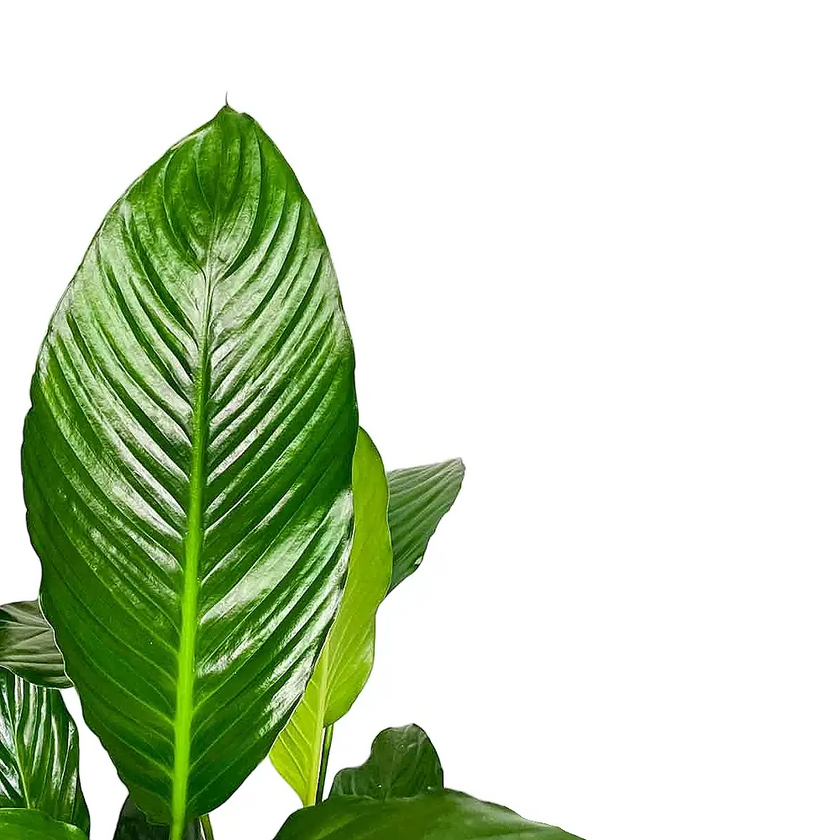
XL Plants
XL plants bring immediate canopy, height and structure. These are larger, more established houseplants with real presence on arrival, especially strong when you already know where the plant will live and want the room to feel finished from day one.
It pays to approach larger plants with placement in mind. They give you fuller growth and instant impact, but they also come with heavier pots, broader footprints and less flexibility once they are in the room.

About Our Filters
Filters help you narrow things down fast and without guessing. We put a lot of time and effort into keeping filter values consistent across the shop by cross-checking references and validating them against real-world indoor growing and handling.
Use them as guidance, not guarantees. Homes vary a lot, so for the full context (and any exceptions), open the product page and read the description.
How filtering works
- Filters stack: each selection narrows results.
- Multiple picks in one filter are usually either/or within that filter.
- Undo anytime: click a selected option again (or clear filters).
Safety
- Non-toxic: not known for relevant chemical toxicity for common pets (chewing can still cause irritation).
- Non-toxic & Pet Friendly: stricter shortlist that also avoids many physical hazards like spines, sharp tips, thorns, and bristles.
Common care filters
- Light level: Low indirect → Full sun/direct.
- Water Needs: Low / Medium / High.
- Humidity Level: Normal (40–50%) / Moist (50–60%) / Humid (60–80%+).
Growth & size
- Growth Habit: climbing, trailing, crawling, upright, self-heading, clumping, rosette.
- Needs support? none / optional / needed.
- Delivered size: pot size + plant height at shipping.
- Max size indoors: realistic long-term height + spread indoors.
Looks & botanical browsing
- Leaf Shape & Size + Foliage Colour: quick visual categories.
- Plant Type / Genus / Family: browse by broad group or taxonomy.
If you want to see the references we use, Plant Care Resources is simply a curated list of source links (POWO, Kew, and more).
Sort by
Filters
XL Plants
Quick Overview
XL plant logistics, what to plan ahead
- Definition: larger or taller versions of a species, selected for scale and presence rather than rarity alone.
- Space: floor area, radius of the crown and ceiling height all matter more than the pot size shown in photos.
- Light access: big plants need enough room to sit close to usable light without blocking doors, radiators or walkways.
- Care pattern: water, substrate and light expectations follow the species, not the pot size-the core recipe does not change.
- Weight: containers are heavy and awkward; think about how you will rotate, clean and eventually repot before ordering.
- Arrival: some staking, leaf shift or minor pruning from transport is normal; allow a settling period before judging shape.
Details & Care
XL Plants: statement-sized houseplants for big spaces
What XL means for plant size
XL plants are the pieces that instantly change how a room feels. They arrive already substantial, often around 80-200 cm tall or wide, usually in pots from roughly 21 cm diameter upwards. These are not small starter plants that might grow large one day; they have presence from the moment they land in your home.
The focus is on visible impact and footprint, not on age or rarity. Some XL options are common species grown on to a generous size, others are collector plants that have been given time and space to bulk up before sale.
How XL plants work in a room
Different XL plants fill different roles indoors:
- Tall, upright floor plants: columnar forms, multi-caned shrubs and tree-like species that work as anchors in corners or next to furniture.
- Wide, lush fillers: big Monstera, large Philodendron, mature Thaumatophyllum and similar plants that build a lot of volume at mid-height.
- XL clumps and specimens: multi-stemmed grasses, palms or shrubs that arrive as ready-made “jungle units” rather than single small plants.
Checks to make before ordering an XL plant
Large plants are impressive but less forgiving if you misjudge the practical details. Before you add one to your cart, think through:
- Space and light: measure ceiling height and floor area and consider how light actually reaches the spot; squeezing an XL plant into a dark corner wastes its potential.
- Weight and access: big pots, wet substrate and ceramic planters are heavy; check stairs, lifts and doorways and plan how you will move the plant once it arrives.
- Care load: more foliage means more water, more dusting and more checking for pests, even if the species itself is straightforward.
Choose XL Plants when you want immediate impact: a room divider, a focal point behind a sofa or a backdrop for a group of smaller pots. Match the plant’s light needs to the actual spot you have in mind, then use the individual species page for finer details like substrate, watering and long-term shaping; repotting strategies for larger specimens are covered in our repotting guide for houseplants.
Frequently Asked Questions About Xl Plants
Are XL plants harder to care for than smaller ones?
Not automatically, but problems get bigger faster. An XL plant is often more stable than a tiny one, yet mistakes around light, watering, and placement are harder to correct once the plant is large, heavy, and established in one spot.
Do XL plants need more light than smaller plants?
Not automatically, but placement matters more. An XL plant still wants the light level that suits that species, yet a bigger canopy is harder to light evenly, so weak positions show up faster as lean growth, sparse lower leaves, or imbalance. If you want help judging that more realistically, you can read more in this Guide.
Should I repot an XL plant as soon as it arrives?
Usually no. A large plant already has enough to adjust to after transport and a change of environment. Unless the root system is clearly in trouble, it is usually better to let the plant settle first and only repot once you know it actually needs it.
Do XL plants need a much bigger or heavier pot?
They often need a more stable pot, but not a dramatically oversized one. A broad, steady base is usually more useful than a huge jump in pot size, because too much extra mix stays wet longer and increases rot risk. If you are deciding whether to move one on, you can read more in this Guide.
Why do XL plants sometimes drop leaves after moving?
Because a move changes light, air movement, humidity, and watering rhythm at the same time. A bigger plant has more foliage reacting to that shift, so some shedding after delivery or a room change is common while it acclimates.
Limited discounts, extras, and bundle deals for subscribers.
Get points with every order to redeem them for discounts.
Give your friends 10 € off and get 200 Foliage Points.
Use your 10% code on plants when you're ready to order.


