Begonias
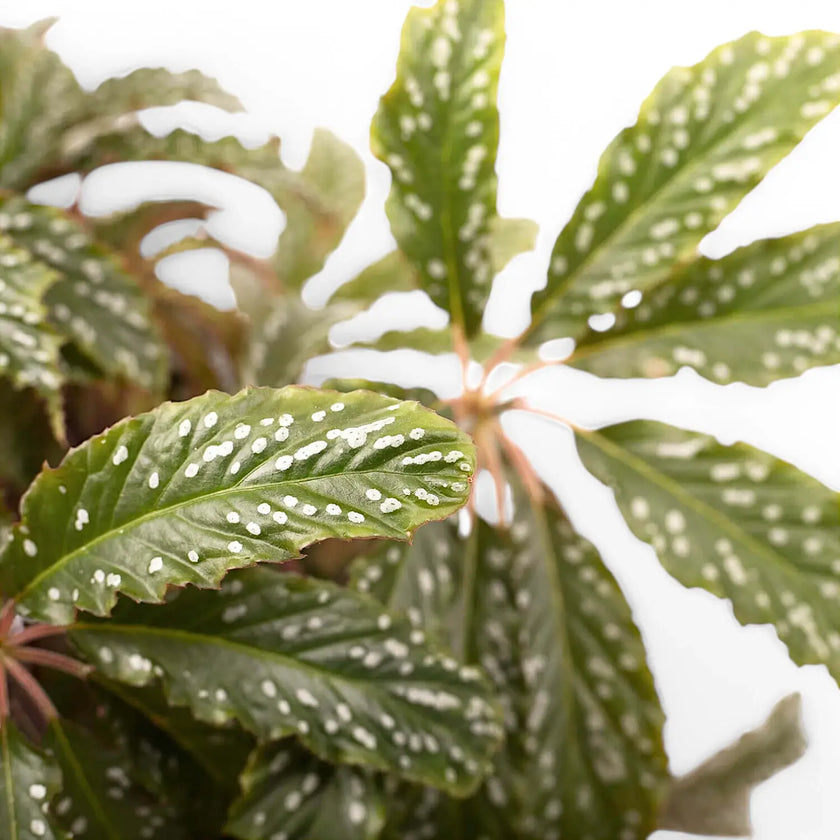
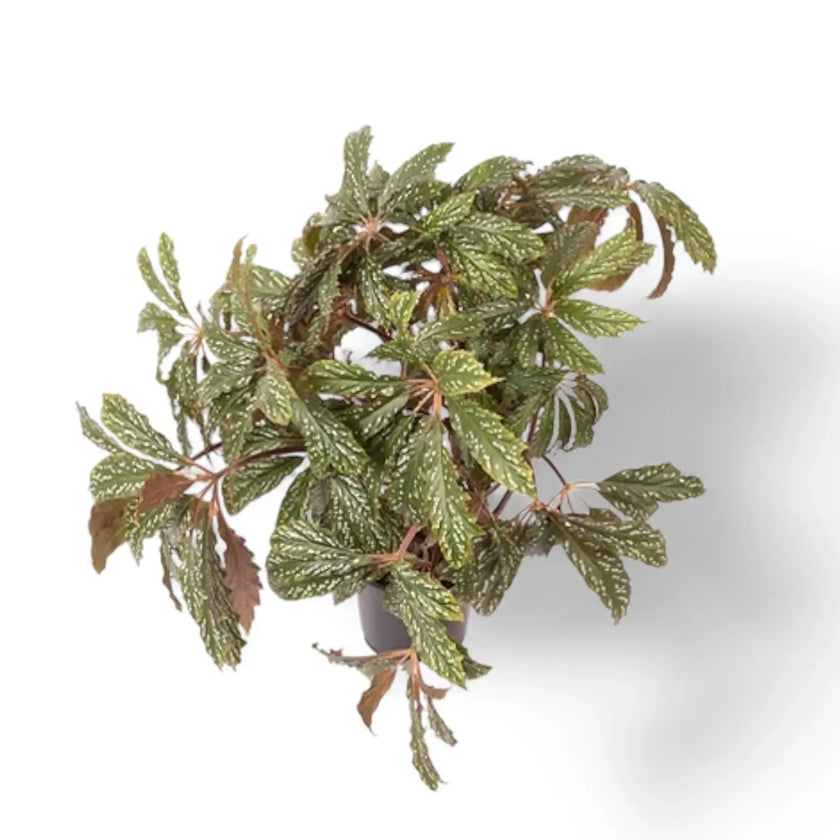
Indoor begonias are a very wide and varied group: cane types for height, rhizomatous types for spread and rex forms for strong leaf pattern and texture. They share a dislike of heavy stale substrate, enjoy high humidity and reward with showstopping foliage.

About Our Filters
Filters help you narrow things down fast and without guessing. We put a lot of time and effort into keeping filter values consistent across the shop by cross-checking references and validating them against real-world indoor growing and handling.
Use them as guidance, not guarantees. Homes vary a lot, so for the full context (and any exceptions), open the product page and read the description.
How filtering works
- Filters stack: each selection narrows results.
- Multiple picks in one filter are usually either/or within that filter.
- Undo anytime: click a selected option again (or clear filters).
Safety
- Non-toxic: not known for relevant chemical toxicity for common pets (chewing can still cause irritation).
- Non-toxic & Pet Friendly: stricter shortlist that also avoids many physical hazards like spines, sharp tips, thorns, and bristles.
Common care filters
- Light level: Low indirect → Full sun/direct.
- Water Needs: Low / Medium / High.
- Humidity Level: Normal (40–50%) / Moist (50–60%) / Humid (60–80%+).
Growth & size
- Growth Habit: climbing, trailing, crawling, upright, self-heading, clumping, rosette.
- Needs support? none / optional / needed.
- Delivered size: pot size + plant height at shipping.
- Max size indoors: realistic long-term height + spread indoors.
Looks & botanical browsing
- Leaf Shape & Size + Foliage Colour: quick visual categories.
- Plant Type / Genus / Family: browse by broad group or taxonomy.
If you want to see the references we use, Plant Care Resources is simply a curated list of source links (POWO, Kew, and more).
Sort by
Filters
Begoniaceae
Begonias
Quick Overview
Begonias: high-impact leaves, picky about soggy roots
- Look: patterned foliage, metallic tones, textured surfaces and compact silhouettes.
- Light: bright, indirect light; harsh sun can scorch quickly.
- Watering: keep evenly moist, then let the top layer dry slightly; avoid waterlogging.
- Substrate: light, chunky and breathable; compacted mixes cause rapid decline.
- Airflow: helps reduce mildew risk and stem rot.
- Growth styles: cane, rhizomatous, rex-type and trailing; check listings for specifics.
Botanical Profile
Good to know: Begonia leaves bruise and spot easily-handling less and watering into the mix (not over leaves) keeps them looking sharper.
Details & Care
Begonias: patterned foliage, cane growth and useful indoor variety
What you will find in this Begonias collection
Begonias cover more indoor range than most plant groups. You will find rex and rhizomatous types grown for patterned leaves, plus cane Begonias with taller structure and, in good light, clusters of flowers. That makes it easier to choose by leaf texture, shape and growth habit instead of treating every Begonia as the same plant indoors.
Care is not identical across the group, but the broad pattern is consistent: bright filtered light, an airy mix, and roots that get moisture without sitting in heavy, stale compost for too long.
Light Begonias handle best indoors
Most indoor Begonias do best in bright, indirect light. East-facing windows, bright north-facing rooms, or positions a little back from stronger glass usually work well. Cane Begonias often cope with slightly brighter conditions than thinner-leaved rex types, while harsh midday sun through glass can scorch delicate foliage fast.
In weak light, stems stretch, leaves shrink and colour dulls. In overly hard sun, edges crisp and pale patches appear. If you need a practical reference point, compare your space with our bright-indirect light guide.
Why substrate and watering matter so much with Begonias
Most Begonias fail at the roots before they fail anywhere else. They want an open potting mix with real air space around the roots, not dense compost that stays wet for days. A good indoor mix improved with perlite, bark, pumice or similar coarse material gives you much more control.
Water when roughly the top 20-35% of the pot has dried, then water thoroughly and let all excess drain away. Thin-rooted or thinner-leaved types usually prefer not to stay bone dry for long, while thicker-stemmed cane Begonias can often go a bit drier. Fixed weekly watering is where trouble starts; the checks in our watering guide are a better way to read the pot.
Temperature, humidity and airflow Begonias respond to
Stable indoor warmth suits Begonias best, usually around 18-26 °C. Cold draughts, chilly windowsills and wet mix in cool rooms cause more problems than most people realise. Once roots stay cold and wet together, decline can be fast.
Moderate to higher humidity helps many types, but airflow matters just as much. Crowded foliage in stale air invites mildew, leaf spotting and soft growth. An open mix, sensible spacing and gentle air movement usually do more than constant fussing.
What you may notice after shipping
Begonias can arrive with bruised edges, a little droop or minor cosmetic leaf damage after transit. That is common, especially on thinner leaves. Place the plant straight into suitable light, check the mix before watering, and avoid instant repotting unless the substrate is clearly broken down. Most Begonias settle faster when you stop changing things and let them adjust first. For general first-week advice, see our acclimatisation guide.
Begonia troubleshooting-common patterns to read early
- Crisp brown edges: usually a mix of deep dryness, root stress or very dry air.
- Soft stems or mush at soil level: roots have usually stayed too wet in dense substrate.
- Long, weak growth: light has been too low for too long.
- Powdery coating or patchy spotting: airflow is often poor, especially around crowded foliage.
- Sudden leaf drop after moving: usually stress from transport, temperature swings or a sharp change in light.
Back to top and pick the Begonia growth form, leaf texture and colour that feel right for your space ↑
Frequently Asked Questions About Begonias
Are begonias grown for flowers or foliage?
Both. Indoor begonia collections usually mix foliage-first types such as rex and rhizomatous begonias with cane begonias and other forms that can also flower well when the light is strong enough.
Which begonias usually work best indoors?
Rex, rhizomatous and many cane begonias are usually the strongest long-term indoor choices because they stay decorative in pots and adapt well to houseplant culture. Tuberous begonias are more often grown for seasonal flower display than for steady year-round indoor performance.
What light do indoor begonias need?
Most indoor begonias want bright indirect light. Good light keeps growth sturdier and foliage colour cleaner, while hot direct sun can scorch leaves, especially on thinner, softer or metallic-looking types.
Why do begonia leaves go crispy or mushy?
Crispy edges usually mean the mix dried too far, the air stayed too dry, or the plant took too much direct sun. Mushy stems, dark patches or sudden collapse usually point to roots staying too wet for too long, especially in cooler conditions where rot starts faster.
Are begonias safe around pets?
No. Begonias are considered toxic to cats and dogs, and the underground parts are the most dangerous.
Limited discounts, extras, and bundle deals for subscribers.
Get points with every order to redeem them for discounts.
Give your friends 10 € off and get 200 Foliage Points.
Use your 10% code on plants when you're ready to order.