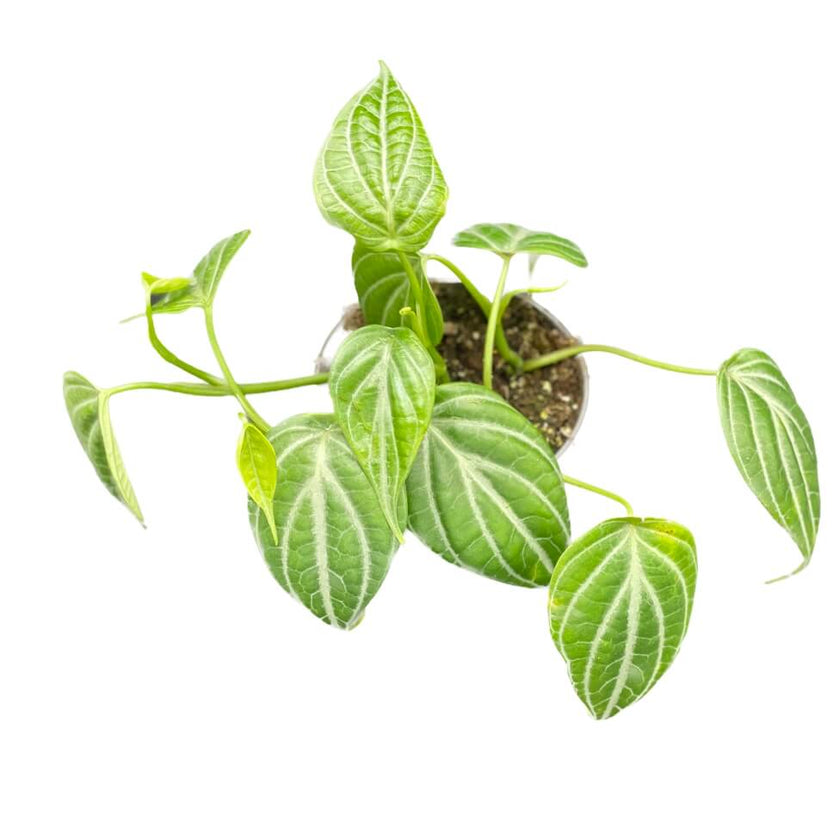
Piper: aromatic pepper vines with patterned foliage for warm, bright shade
Piper: tropical “pepper” vines with serious character
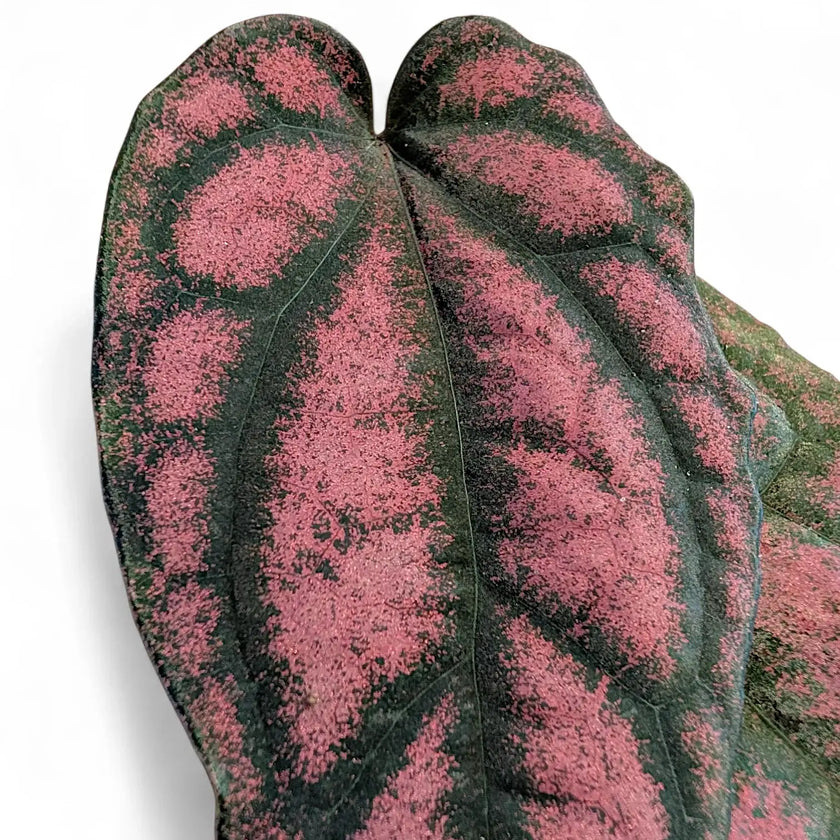
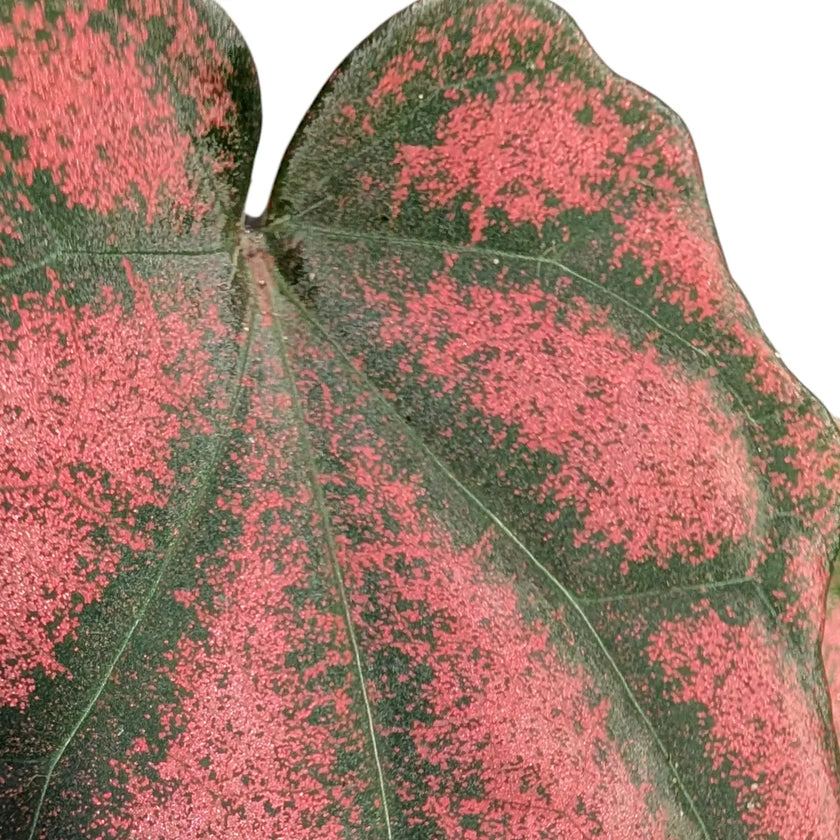
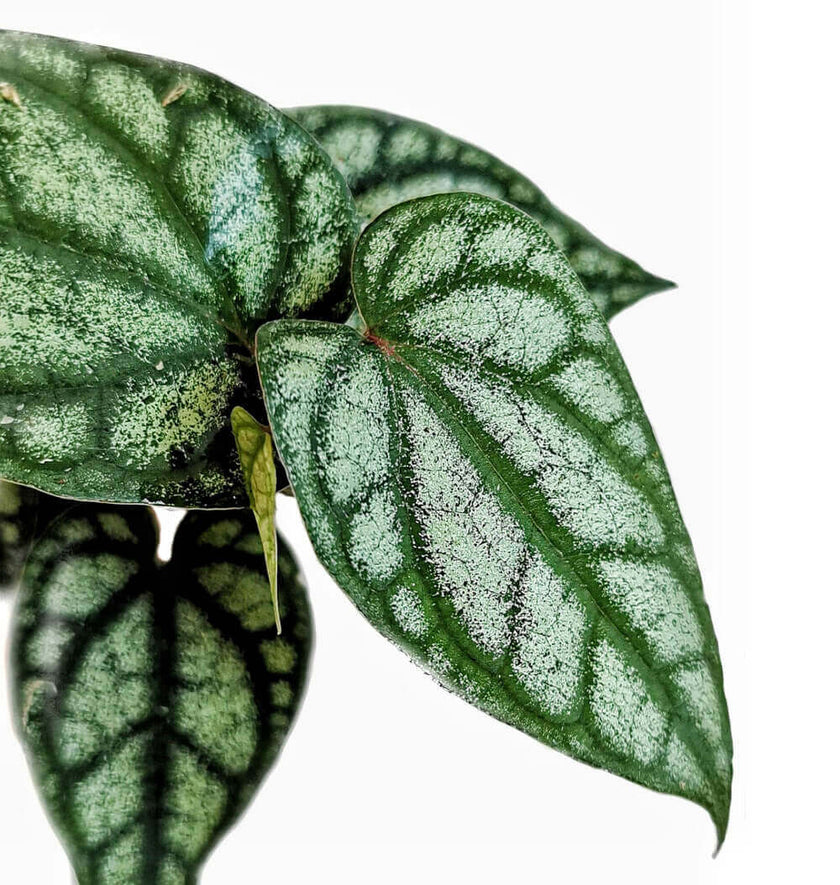
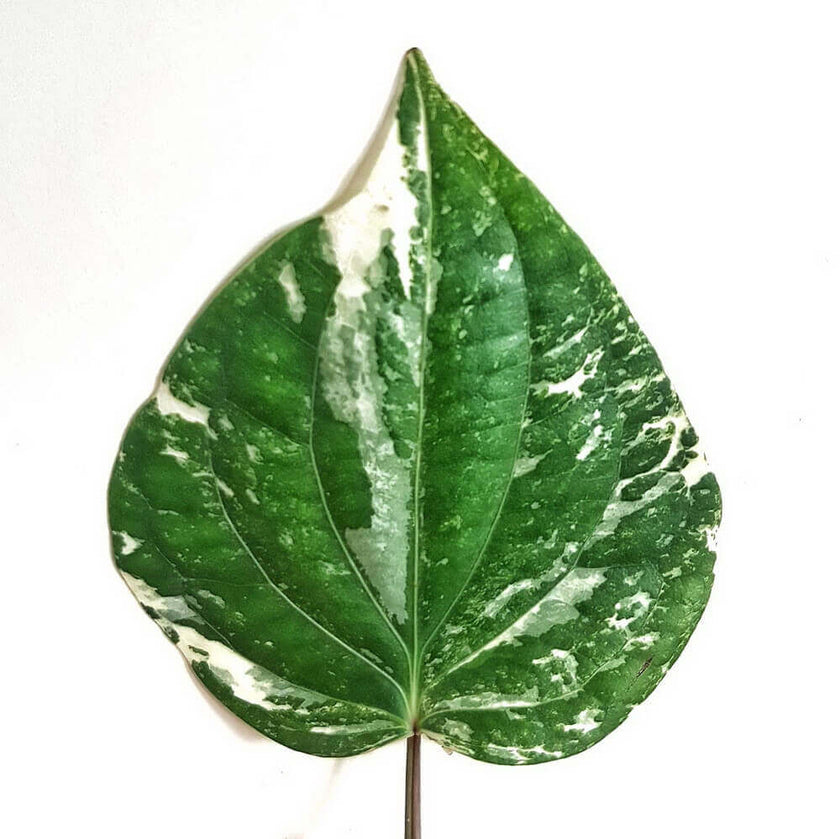
Piper is the pantropical pepper genus in the family Piperaceae, home to well over a thousand species of shrubs, herbs and climbing or scrambling vines. It includes the famous culinary black pepper (Piper nigrum) as well as a growing cast of ornamental species such as Piper sylvaticum, Piper crocatum, Piper argyrites and unusual forms from places like Borneo and New Guinea. What unites them is aromatic foliage, jointed, often twisting stems and a strong visual presence for their size.
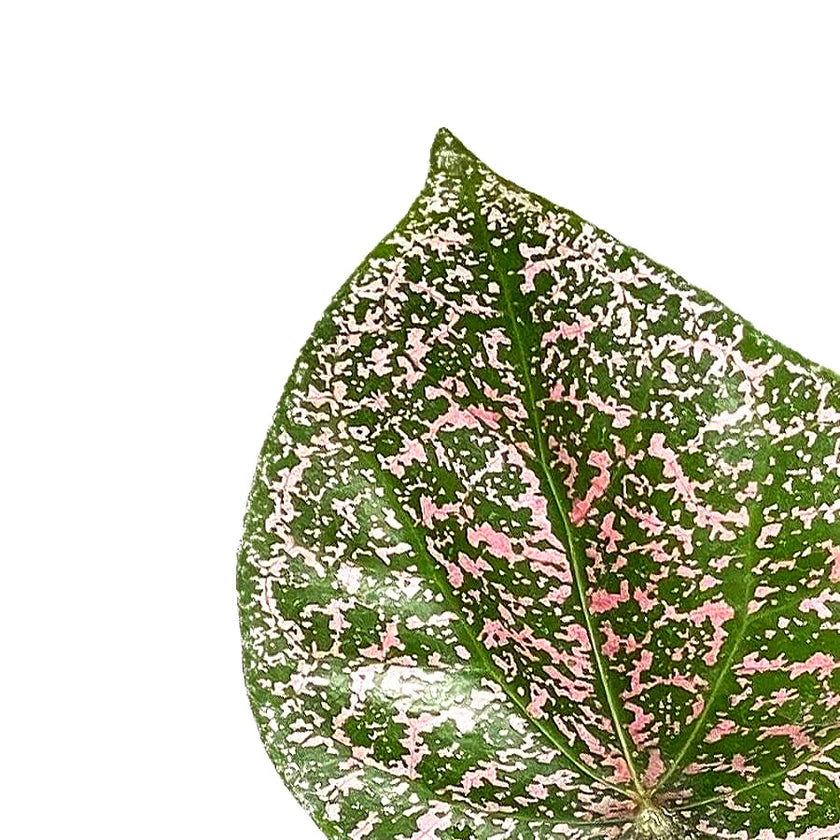
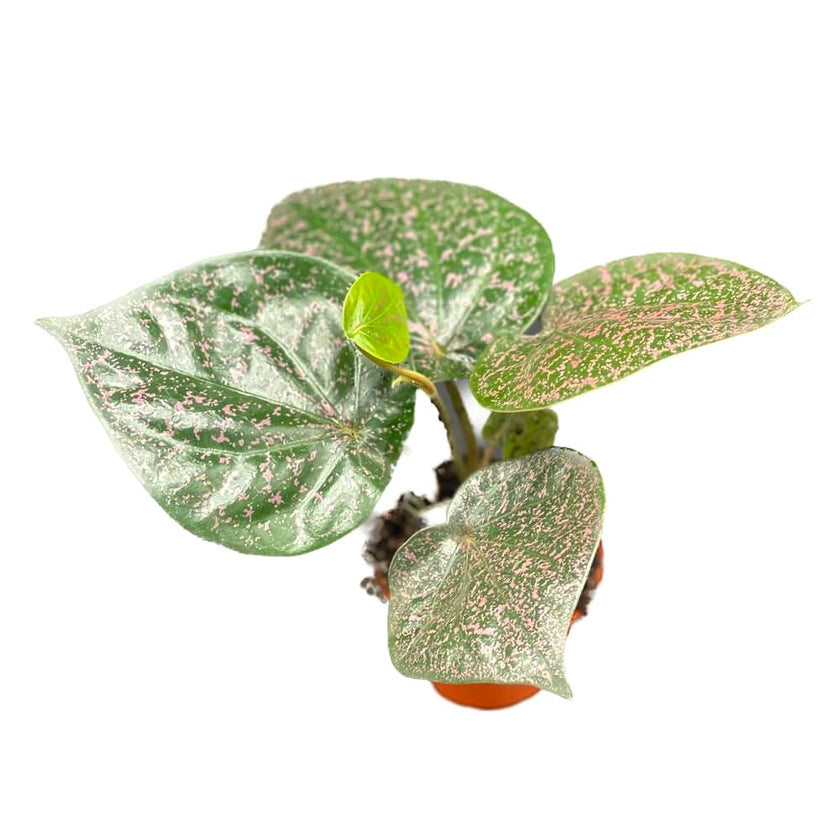
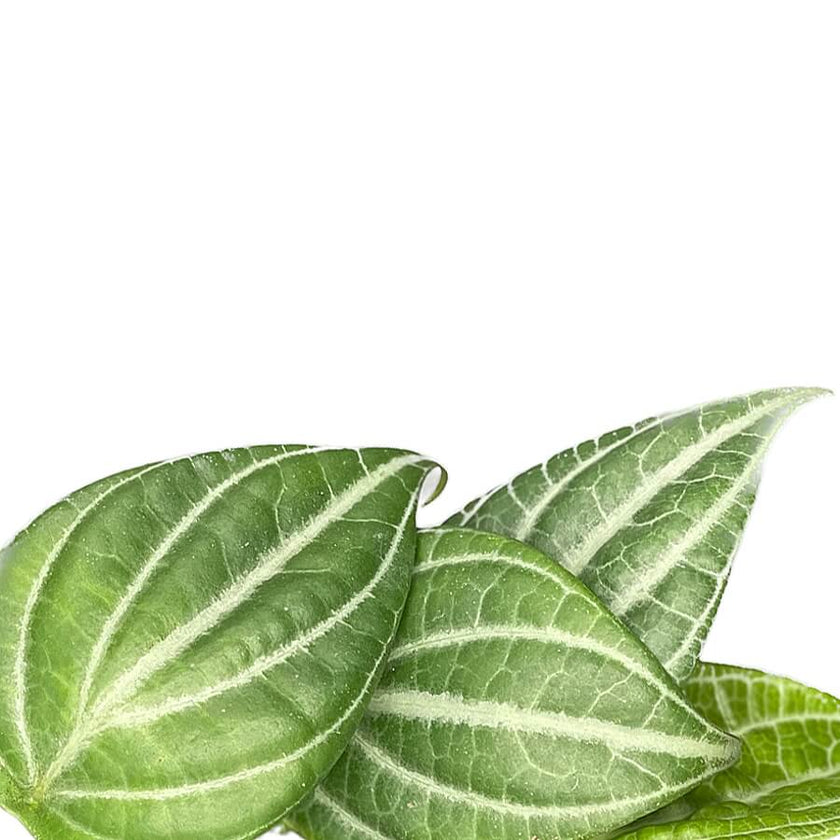
Indoors, many Piper are grown for their leaves rather than for spice: silver-dusted hearts, painted venation, bullate textures and slender, twisting stems that climb, drape or creep. They are not “set-and-forget” plants-most come from warm, moist forest understories-but in the right spot they offer a very different look from more familiar aroids and ferns.
Is Piper a good match for your space?
- Where Piper shines: warm homes with bright but filtered light, decent humidity and owners who enjoy checking moisture regularly and training vines onto supports or across hardscape.
- Less suitable when: your rooms are cool or very dry for long stretches, light is low, or you prefer to water heavily “just in case” and leave pots wet between checks-most Piper react badly to cold, stagnant mix.
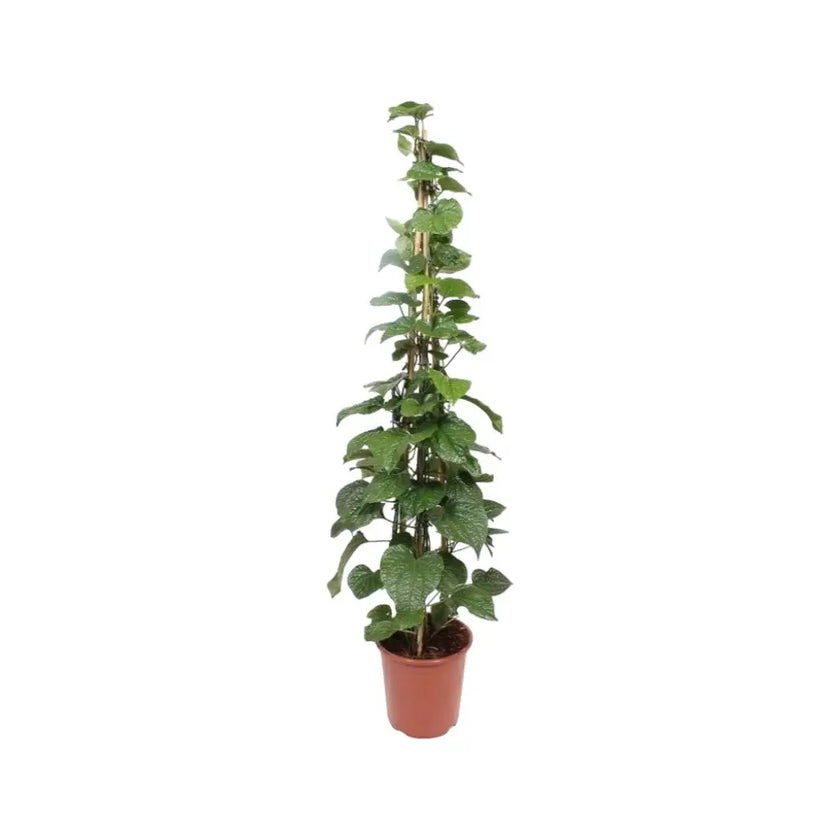
- Choosing the right Piper for your setup: species differ. Some are compact hemiepiphytic creepers ideal for terrariums, others are more vigorous climbers that want a moss pole, branch or trellis and a little vertical space. Check the listed origin and growth habit to match the plant to your conditions.
Piper in the wild-pantropical shrubs, herbs and lianas
Piper is a pantropical genus centred in the humid tropics of Central and South America and Southeast Asia, with species also found in Africa and the Pacific. In the wild, many species are understory plants of lowland rainforests and cloud forests, growing as shrubs, scrambling subshrubs or lianas along tree trunks, rocks and fallen logs, often near watercourses. Stems are typically nodose and flexible, with roots emerging at the nodes to anchor the plant as it climbs or creeps.
Leaves are usually alternate and often aromatic when crushed, with a distinct midrib and three or more main veins radiating from the base. Flowers are tiny and densely packed on slender spikes (the “peppercorns” of culinary species develop along these), but in ornamental indoor culture the foliage and growth habit are the focus. Knowing that most Piper are shade-tolerant forest plants explains why they prefer filtered light, steady moisture and moving, humid air rather than hot sun or dry, stagnant rooms.
Piper light-bright shade for patterned foliage
Most ornamental Piper are adapted to understory and forest-edge light. Indoors they perform best in medium to bright, indirect light: close to an east-facing window, near a north window, or set back from a stronger south or west exposure behind sheer curtain or other plants. In this kind of light, leaves develop good colour and texture, and vines grow steadily without becoming spindly.
In low light, stems elongate, internodes stretch and patterned or silvered foliage becomes dull and sparse. Conversely, strong midday sun through glass can scorch thin leaf blades, leaving bleached or crisp patches, especially on silver-variegated forms such as Piper argyrites or P. crocatum. If you are unsure how bright your space really is, compare it with the examples in our bright-indirect light guide so you can place Piper where it receives enough light without burning.
Piper roots, watering and substrate-moist but never sour
Piper roots are fine and exploratory, spreading through loose forest litter, moss and humus, and in many species emerging from nodes along the stems as they climb. In pots they need oxygen as much as moisture, so heavy, compacted compost is one of the quickest ways to lose them. Aim for a light, well-structured mix based on a quality peat-free indoor substrate loosened with fine orchid bark, coco chips and mineral components such as pumice or perlite.
Wait to water until the surface of the mix looks dry and the pot feels noticeably lighter in your hand. When you press a fingertip or a wooden skewer a little deeper, you should still feel a trace of cool moisture-that is your cue to water. When you do, water slowly and thoroughly so the whole root zone is moistened, then tip away any water that collects in the saucer so the base is not sitting in stale, cold liquid. Constant saturation, especially in cool conditions, quickly leads to root and stem rot; repeated severe drying, on the other hand, causes wilting, rolled or dull leaves and can trigger dieback of finer stems.
Many compact, creeping Piper and high-humidity species are excellent candidates for terrariums or enclosed cabinets, where an airy but moisture-retentive mix and stable humidity are easier to maintain. In these setups you can let roots See a shallow, broad planting area and give stems cork, branches or textured backgrounds to climb. In open pots, keep the mix chunky, ensure good drainage and avoid oversized containers around a small root ball. For more on how pot size and mix structure influence drying time, see our complete watering guide for houseplants and apply those principles to your Piper.
Piper and your home climate
Piper is at its best in warm, stable conditions. Most species offered as houseplants come from lowland or lower montane tropics and are happiest between about 18 and 28 °C. Short drops below that are usually tolerated if the mix is not saturated, but repeated cold nights, draughts or resting pots against winter windows often result in yellowing, blackened patches or sudden leaf drop.
Humidity is an important part of Piper care. Many ornamental species come from cloud forests and wet understories and show their best colour and texture at relative humidities around 60-80 %. In drier homes, leaves may curl slightly, edges can crisp and new growth may be smaller or misshapen. Grouping plants, using a small room humidifier or growing Piper in a cabinet or tented setup are all more effective for raising humidity than occasional misting. Whatever method you choose, combine it with good air movement so leaves and stems can dry between waterings-constantly wet, stagnant air invites fungal problems. For realistic humidity ranges and tactics, see our humidity guide.
Piper growth, supports and pruning
Piper includes both upright shrubs and true climbers, but most ornamental species behave as slender vines or creeping stems. Many will send out aerial roots from their nodes and happily attach to rough supports. Those knobbly nodal roots are how Piper ascends trunks and rocks in the wild; indoors you can let them dangle for a jungle look or gently tuck them into the mix or around a moss pole so they help stabilise the plant.
Regular, light pruning keeps Piper manageable and encourages branching. Long, bare stems can be cut back just above a node to stimulate new shoots below the cut. Most species are straightforward to propagate from stem cuttings: sections with at least one node and a healthy leaf will usually root in a warm, humid environment in an airy mix or inert medium. Because stems and roots are relatively fine, avoid heavy-handed pruning or allowing fresh cuts to sit in sodden mix-clean tools and moderate moisture help prevent rot. For general propagation strategy, see our propagation guide.
Piper and safety-not your kitchen pepper
While some Piper species, such as Piper nigrum (black pepper) and Piper longum (long pepper), are cultivated as spices, many ornamental species are not used as food and contain various bioactive compounds. Leaves and stems may be irritating or unpalatable if chewed, and the safety of less-studied species for pets and people has not been thoroughly assessed.
It is safest to treat all ornamental Piper as non-edible and to keep them out of reach of cats, dogs and small children who might nibble the foliage. If a pet does chew a leaf and shows signs of mouth irritation, drooling or vomiting, contact a veterinarian. When pruning or repotting, basic hygiene-clean tools and washing hands afterwards-is usually sufficient, although people with very sensitive skin may prefer to wear gloves.
How a freshly shipped Piper usually looks
Fine stems and often delicate foliage mean Piper can look a little unsettled after shipping. It is common to see a few yellowing or bruised leaves, some limp or curled tips, or a small amount of leaf drop in the first days after arrival. These are usually responses to transport stress and sudden changes in light and humidity rather than signs of a deeper problem.
On arrival, remove loose packing material and any leaves that are clearly damaged or mushy. Place your Piper straight into the bright, sheltered spot you have chosen-ideally with gentle, filtered light and away from heaters or cold draughts-instead of moving it from room to room. Check the moisture level a couple of centimetres below the surface: if the mix feels very dry and the pot is light, water thoroughly with tepid, low-mineral water and let the excess drain; if the substrate is still evenly moist, wait a few days before watering. Avoid repotting immediately unless the root ball is unstable or the mix is clearly breaking down. Over the next weeks, watch for firm, well-coloured new leaves and steady extension of stems; those are the best signs that your Piper is adapting. Our acclimatisation guide explains this phase across genera.
Piper troubleshooting-common issues and how to respond
- Piper leaves curling, dull or with dry edges: often a mix of low humidity and inconsistent watering. Raise background humidity, keep the mix lightly moist without letting it swing from saturated to bone dry, and move the plant away from hot, drying air currents.
- Blackened Piper stems or sudden leaf drop after a cold spell: usually the result of cold, wet roots. Check for soft, dark tissue, trim back to firm green growth and repot into a fresher, airier mix if needed. Reduce watering and keep the plant in a warmer, more stable spot while it recovers.
- Piper stems becoming long and thin, with smaller leaves: light levels are too low. Move your plant closer to a bright window or provide gentle supplemental lighting, and offer a support so new growth can climb and display its foliage properly.
- Piper growth slow or stalled despite warmth and light: can indicate exhausted substrate or chronically poor aeration. Refresh the mix with a light, structured blend and resume moderate feeding during active growth rather than increasing water alone. For feeding strategy, see our beginner fertilising guide.
- Piper leaves with sticky residue, webbing or distorted new growth: suggests sap-sucking pests such as spider mites, thrips or mealybugs. Inspect both sides of leaves and stems, isolate the plant if possible and follow a consistent, gentle treatment plan before pests spread. Useful references include our guides on spider mites, thrips and mealybugs.
Back to top and pick the Piper that fits your light, your humidity and the leaf detail you want close at hand ↑