Dracaena (including Sansevieria) care and buying guide
Two Dracaena “personalities”: canes vs snake plants
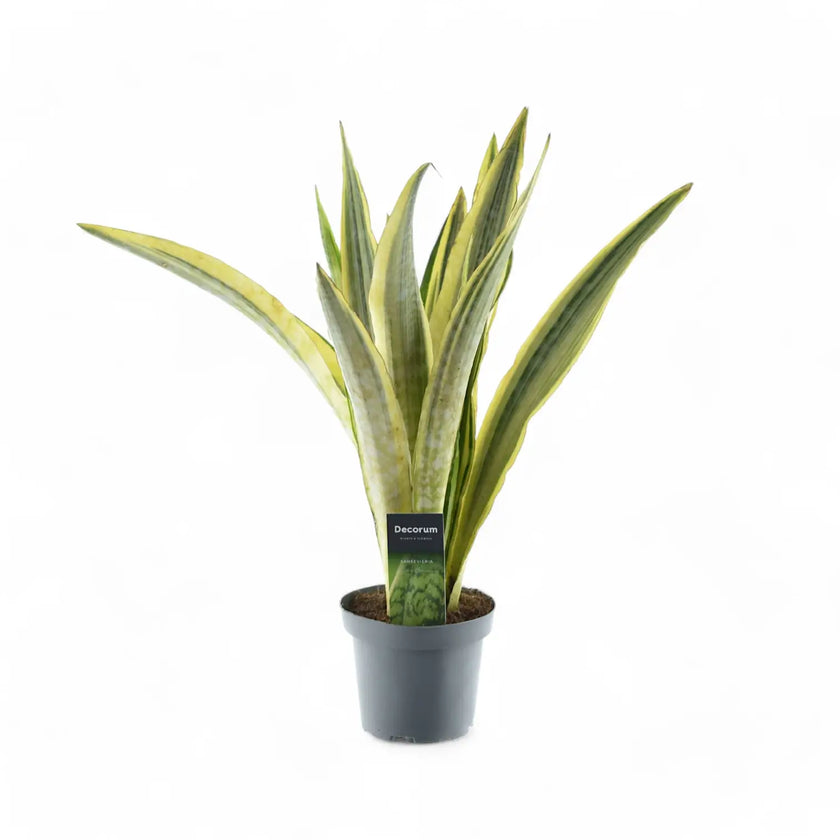
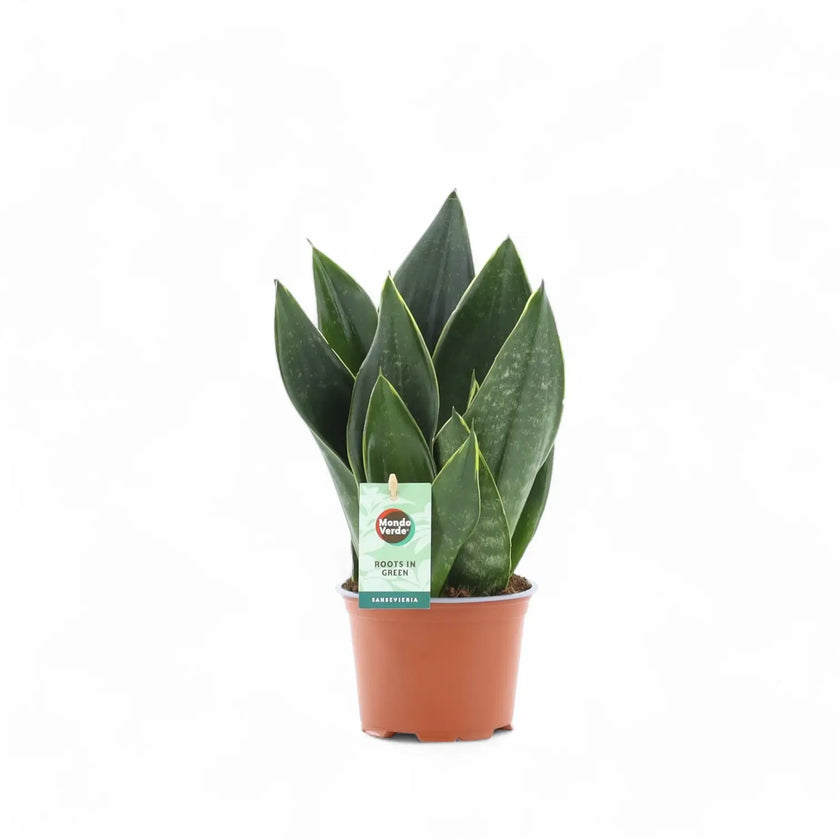
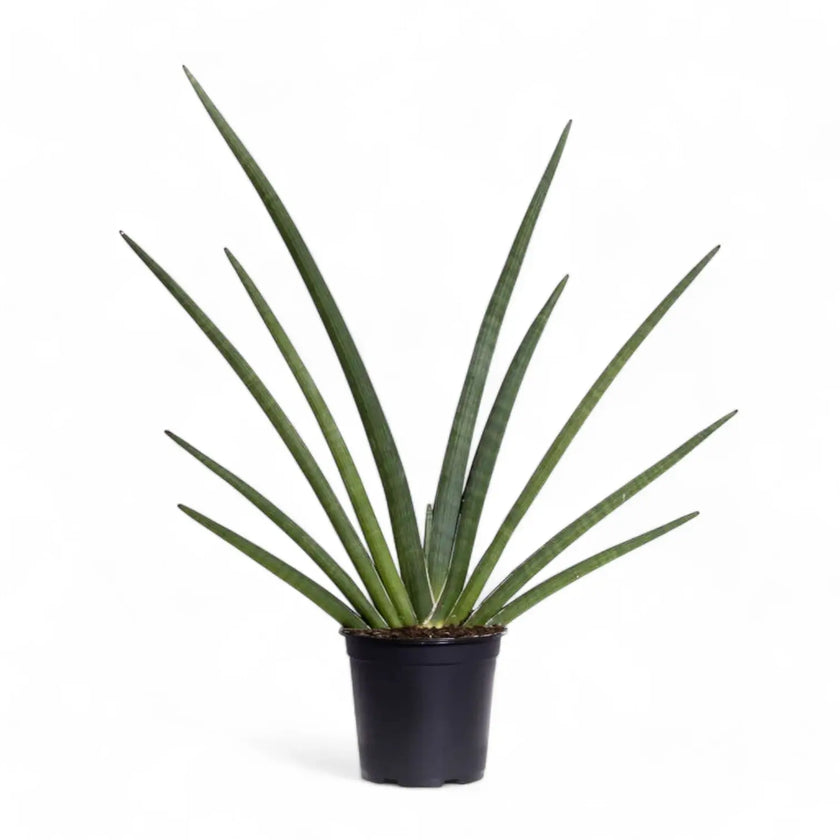
Under name Dracaena you are really dealing with two very different shapes. Cane-type Dracaena (fragrans, deremensis, marginata and relatives) grow as woody stems topped with fountains of leaves-classic “indoor tree” material. Former Sansevieria, now Dracaena trifasciata and friends, grow as rigid, upright rosettes that most people still call snake plants.
Both are slow, long-lived and tolerate a certain amount of neglect, but they do not want exactly the same thing. Cane types appreciate a bit more light and moisture. Snake-plant types sit happily in drier, brighter spots and store water in their thick leaves. Treating them as two archetypes from the start makes Dracaena care much more predictable.
Which Dracaena type fits your space?
Cane-type Dracaena (fragrans, deremensis, marginata etc.):
- Shape: upright canes with leafy crowns; good for corners and behind furniture.
- Best use: medium-to-bright rooms where you want height without huge width.
- Care tendency: like evenly moist, airy substrate and steady, bright indirect light.
Rosette-type Dracaena (ex-Sansevieria, “snake plants”):
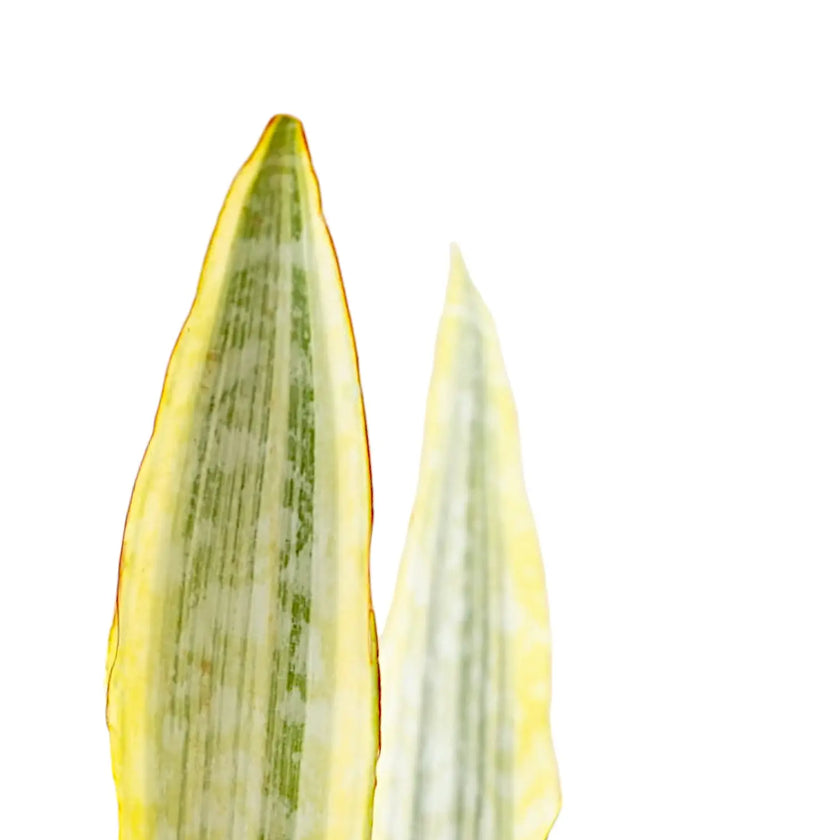
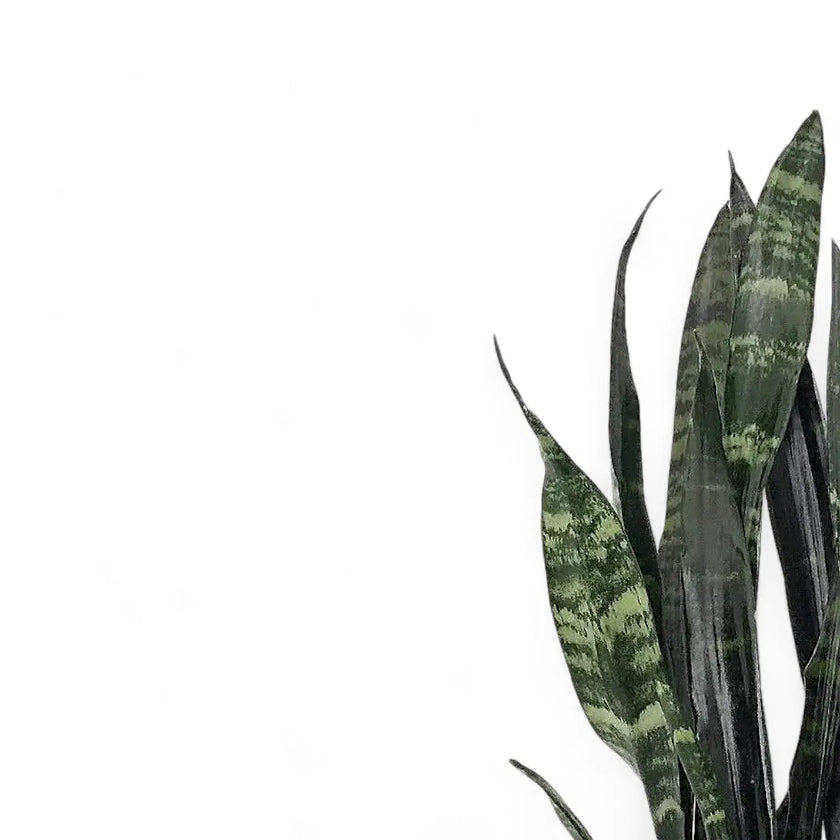
- Shape: stiff, sword-like leaves in fans or clumps; strong graphic silhouette.
- Best use: warm, bright spots that other houseplants might find too dry.
- Care tendency: prefer long dry spells, tolerate lower light, hate constantly wet mix.
All of them are now Dracaena in modern taxonomy because Sansevieria sits inside Dracaena genetically. If you want the backstory on that name change, this reclassification article walks through the logic with real examples.
Light and water-one simple rule for each group
For cane-type Dracaena: aim for bright, indirect light near a decent window. Think “you could read here in the daytime without switching on a lamp”, not “deep interior office corner”. Let roughly the upper third of the substrate dry before you water again. When you do water, soak the root ball thoroughly and then drain completely-no permanent puddles in cachepots.
For snake-plant types: treat them more like very tough succulents. Bright filtered light or a few hours of gentle direct sun keeps growth compact and patterns clear. Water only when most of the mix feels dry well below the surface and the pot is noticeably light. They cope far better with a long dry spell than they do with a week in cold, wet soil.
If judging brightness still feels fuzzy, use the practical tests in our bright-indirect light guide. For watering, skip fixed “every 7 days” rules and follow the steps in this watering guide - same logic, just tuned slightly differently for canes vs rosettes.
Dracaena potting mix and containers that do not rot roots
Most problems with Dracaena houseplants start in the pot, not in the air. A workable mix for both groups is a quality indoor substrate with a clear dose of structure: bark pieces, pumice, perlite or similar chunky fractions. For cane plants keep it moderately moisture-retentive but springy; for snake-plant types push the mineral fraction a bit higher so excess water runs off quickly.
Signs the mix is wrong are obvious: sour smell, water sitting on top instead of soaking in, or leaves yellowing from the base while substrate still feels heavy and cold. If that sounds familiar, replace the mix with something looser rather than blaming “sensitive” plants. For the full substrate deep dive, see our houseplant substrate guide.
Temperature, air and humidity-what actually matters
Dracaena grows steadily between roughly 18 and 27 °C. Brief cooler spells are usually fine, but sitting for weeks right against icy winter glass or on an unheated floor with wet roots is asking for trouble. If the pot feels cold to the touch long after the room warms up, move it.
Normal indoor humidity is acceptable for both groups. Brown tips are more often about inconsistent watering and fertiliser salts than about not owning a humidifier. What does matter is air that can actually move: dense rosettes jammed into a tight cachepot with no airflow trap moisture around the crown and base, which is exactly where rot starts.
Long-term behaviour, pruning and repotting
Cane Dracaena: stems elongate slowly and shed older leaves from below, so that “palm on a stick” look over time is normal, not a failure. If a cane gets too tall or bare, cut it back above a healthy node. New shoots usually break below the cut and thicken the plant; the removed top can often be rooted as a cutting.
Snake-plant types: grow by gradually thickening clumps and producing offsets from a short rhizome. They rarely need big pots; slightly snug roots actually help them stay upright and reduce overwatering risks. Dividing dense clumps every few years keeps pots stable and gives you extra plants.
Fertiliser use should match what the plant is doing, not the month printed on a calendar. While you see clear new leaves or offsets, a diluted complete fertiliser now and then is enough. Pour it onto already moist substrate, not bone-dry or waterlogged mix. If growth stalls, fix light and root conditions first; stronger feed in a bad substrate just burns roots faster.
Toxicity and household safety
Leaves and sap of Dracaena, including snake-plant types, contain saponins and other compounds that can upset pets’ digestion. Chewed foliage may trigger drooling, vomiting or loss of appetite in cats and dogs. For humans, sap is usually only a minor skin irritant but can cause problems if rubbed into eyes.
In practice: do not let pets use leaves as chew toys, pick up fallen pieces rather than leaving them on the floor and wash hands after repotting or heavy pruning before you touch your face.
First weeks at home-what is normal and what is not
After shipping or a move, Dracaena often sit still for a while. Cane plants may drop a couple of older leaves, especially the shaded ones lower down the stems. Snake-plant types sometimes show one or two bent or creased outer leaves that never fully straighten but do not affect the centre of the rosette.
Check the rootball once. If it is already quite moist and heavier than you thought, wait before watering again and make sure drainage holes are not blocked. If mix is very dry and the pot feels light, water once thoroughly and let excess run off completely. Hold off on major repotting until you see signs of fresh roots or new leaves; that is the moment they tolerate change best.
Fast diagnostics for Dracaena stress
- Soft, collapsing leaves or rosettes: usually chronic overwatering in a dense mix. Unpot, cut away mushy roots and repot into a much airier substrate; water less often and only after the mix has clearly dried.
- Very long, pale canes with big gaps between leaf tufts: light is well below what the plant can use. Move closer to a decent window or add a grow light and rotate the pot regularly so stems do not all lean in one direction.
- Brown tips and edges on firm leaves: often a combination of irregular watering, hard water and very dry air. Flush the pot with plain water once, then settle into a calmer watering rhythm and keep plants away from direct blasts of hot or cold air.
- Wrinkled, folding snake-plant leaves: typically deep drought rather than rot. Give one slow, thorough drink, drain well and let the mix dry again almost completely before you reach for the watering can next time.
- Sticky patches, cottony clumps or scale bumps: classic mealybug or scale activity in leaf axils and along stems. Isolate the plant, wipe affected spots and follow a proper treatment routine so new growth emerges clean.
Back to top and compare cane Dracaena and snake plant types against your light, your floor space and your routine ↑